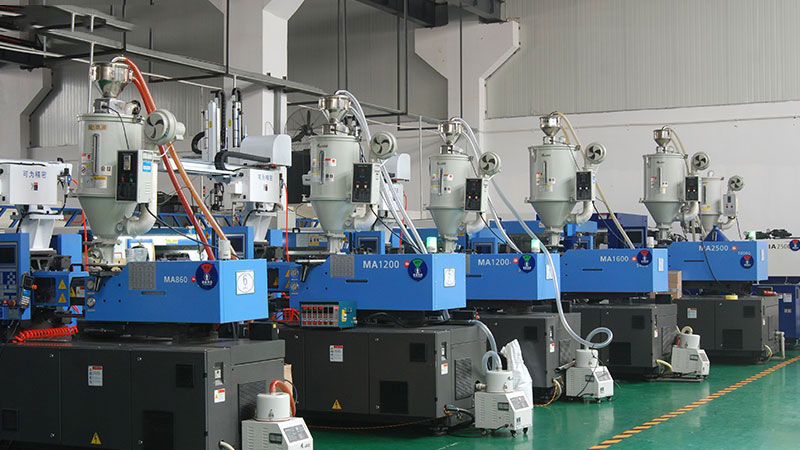
For overseas buyers, procuring a high quality mold from China represents a significant strategic advantage, offering unparalleled value and manufacturing capability. However, the path to securing a reliable China mold factory that delivers precision, durability, and consistency is fraught with complexity. This guide is designed to cut through the noise, providing a clear, actionable framework for your procurement journey in 2026. We will move beyond basic supplier lists to address the core challenges of verification, communication, and quality assurance, ensuring your investment results in a mold that meets exacting international standards.
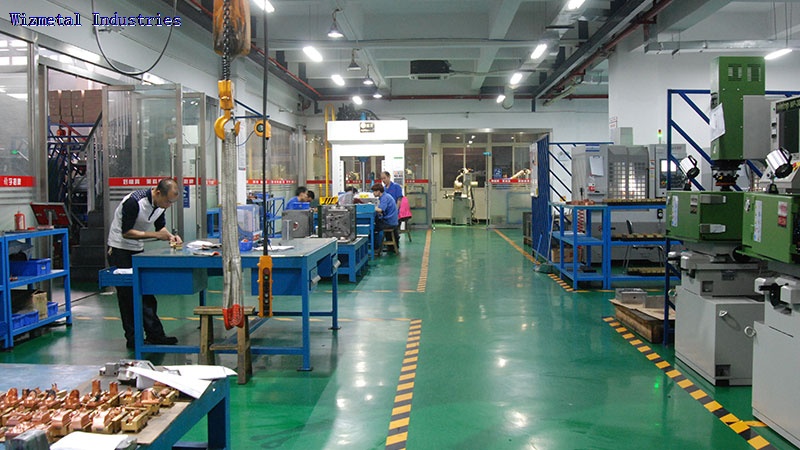
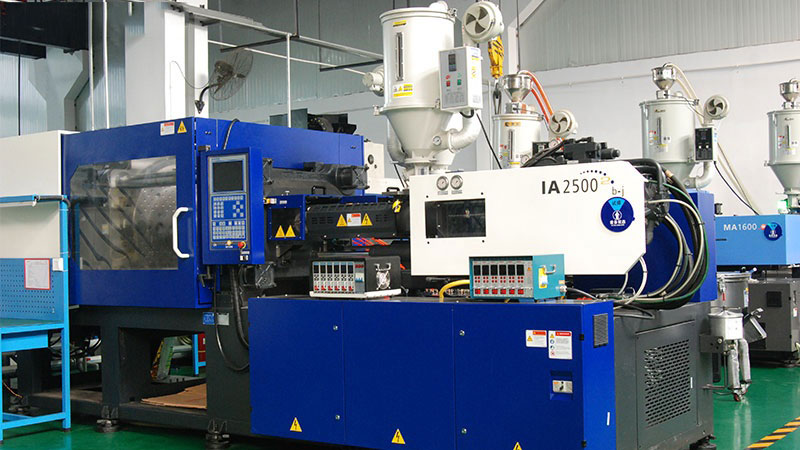
The foundation of a successful procurement project is rigorous supplier verification. In 2026, due diligence must be deeper than reviewing a website or a glossy catalog. Start by verifying the supplier’s business license and export credentials through official Chinese platforms. Scrutinize their portfolio for projects similar in complexity, material, and industry to yours. The critical step is to conduct a virtual or, ideally, in-person factory audit. Assess their machinery—look for modern CNC, EDM, and high-speed milling equipment from brands like DMG Mori or Makino. Evaluate their workshop for 5S organization and inquire about their engineering team’s expertise. A professional China mold factory will transparently share process documentation, quality control charts, and client references. This stage is not about finding the cheapest bidder but identifying a capable partner for your high quality mold.
Once a potential partner is identified, mastering the technical and commercial negotiation is paramount. The request for quotation (RFQ) package you provide must be exceptionally detailed to avoid ambiguity. Include fully dimensioned 3D CAD files (STEP or IGES), 2D drawings with critical tolerances and surface finish specifications (e.g., SPI standards), and a clear material selection for both the mold (e.g., P20, H13, S136) and the intended final plastic part. Specify the expected production volume, cycle time targets, and any certification requirements like ISO 9001 or IATF 16949. During negotiations, dissect the quotation. Ensure it itemizes costs for mold base, cavities, cores, hot runner system (if applicable), and ancillary costs like trial runs and shipping. Clearly define payment terms—a common and balanced structure is 40% deposit, 50% before shipment, and 10% after successful sample approval. Document every agreement in a formal, bilingual purchase contract that covers intellectual property rights, confidentiality, and liability.
The true test of a supplier’s capability occurs during the manufacturing and quality control phase. Proactive oversight is non-negotiable. Insist on a structured milestone-based communication plan. A reputable supplier will provide regular updates, including material certification for steel, photos of the finished mold base, and reports from initial machining stages. The most critical checkpoint is the First Article Inspection (FAI) or Trial Run. Either attend this in person or use a trusted third-party inspection service. During the trial, the produced samples must be meticulously measured against your CAD data using CMM reports. Evaluate the part for sink marks, flash, weld lines, and dimensional stability. Test the mold itself for its cooling efficiency, ejection smoothness, and cycle time performance. Do not approve shipment until you have physical samples in hand and a complete inspection report verifying that all specifications are met. This rigorous quality control process is the definitive step in securing a high quality mold.
Finalizing the project requires careful attention to logistics and fostering a long-term partnership. Ensure the China mold factory provides a comprehensive mold manual, including assembly drawings, maintenance instructions, and a list of spare parts. For shipping, opt for professional export crating to prevent damage in transit and consider mold insurance. Clarify Incoterms 2026—FOB is common, but DAP might offer more convenience. Upon receipt, conduct an internal audit of the mold against the manual. A reliable supplier will offer post-sales support, including warranty terms for workmanship and guidance on initial production runs. View this successful procurement not as a transaction but as the beginning of a partnership. A trustworthy supplier becomes an extension of your engineering team, invaluable for future projects, modifications, and maintenance, ensuring the longevity and performance of your injection mold investment.
Procuring a high quality mold from China in 2026 demands a disciplined, informed approach that prioritizes partnership over price. By implementing a thorough supplier verification process, mastering technical negotiations, enforcing stringent quality control during manufacturing, and strategically managing logistics, overseas buyers can mitigate risks and unlock exceptional value. The goal is to transform a complex international procurement into a streamlined, reliable channel for obtaining world-class tooling. This guide provides the actionable framework to achieve just that, empowering you to build a resilient and competitive supply chain with confidence.
Work With Us
As a professional China mold manufacturer, we provide one-stop mold solution for overseas buyers.
📞 Phone: +86-18605944639
💬 WhatsApp: +8618605944639
🌐 Website: bestmoldworks.com
📧 Email: [email protected]