For overseas businesses, partnering with a skilled custom plastic mold maker in China represents a significant strategic advantage, offering unparalleled cost efficiency and manufacturing scalability. However, navigating this complex procurement landscape requires more than just finding the lowest quote. The journey from concept to mass-produced plastic part is fraught with potential challenges in communication, quality assurance, and project management. This guide is designed to cut through the noise, providing you with a clear, actionable roadmap for 2026. We will focus on practical strategies to identify, vet, and collaborate with a reliable China mold factory to ensure your injection mold project delivers on time, on budget, and to specification.
Mastering the Initial Supplier Discovery and Verification Process
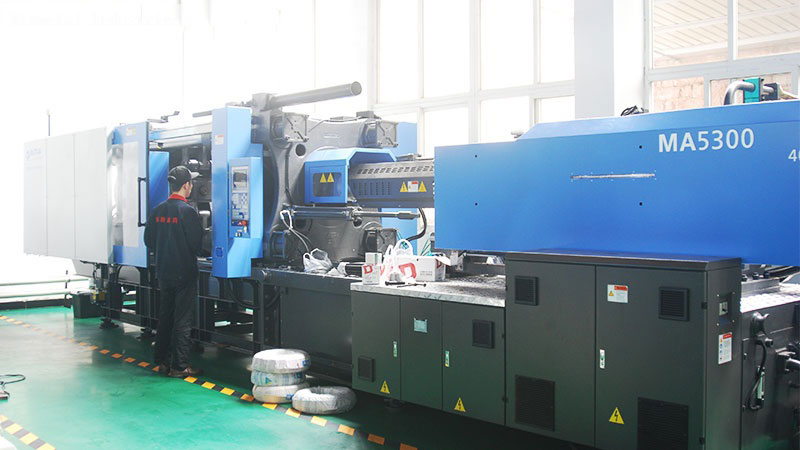
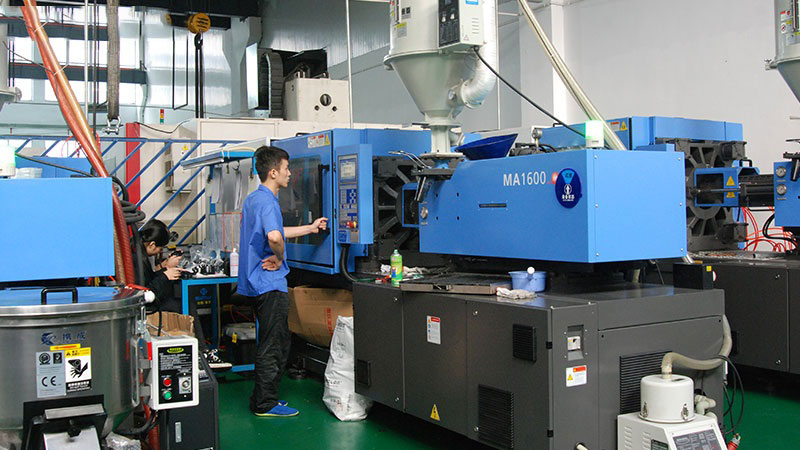
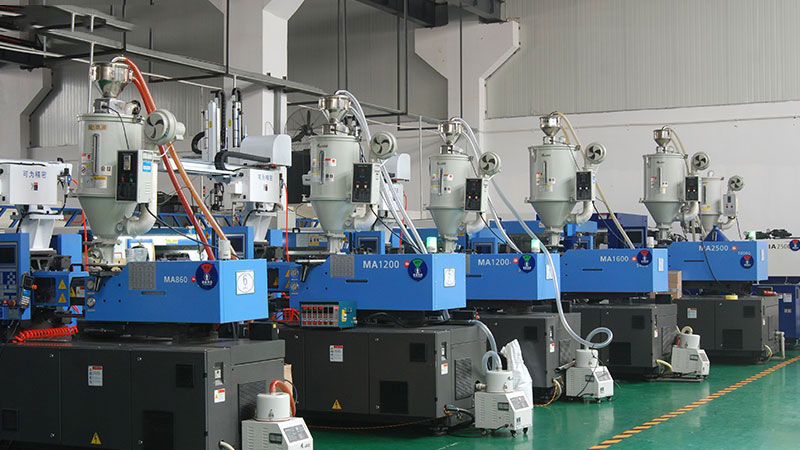
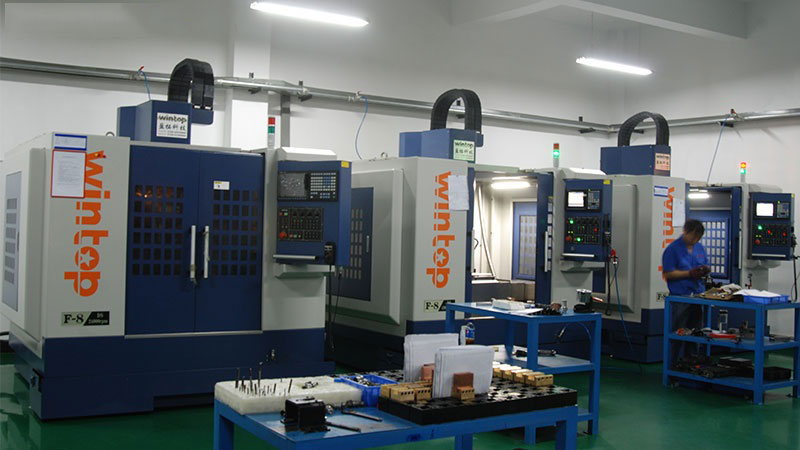
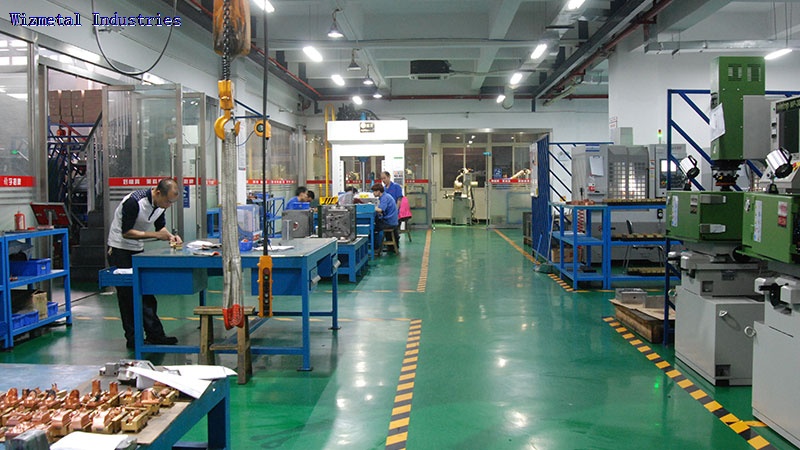
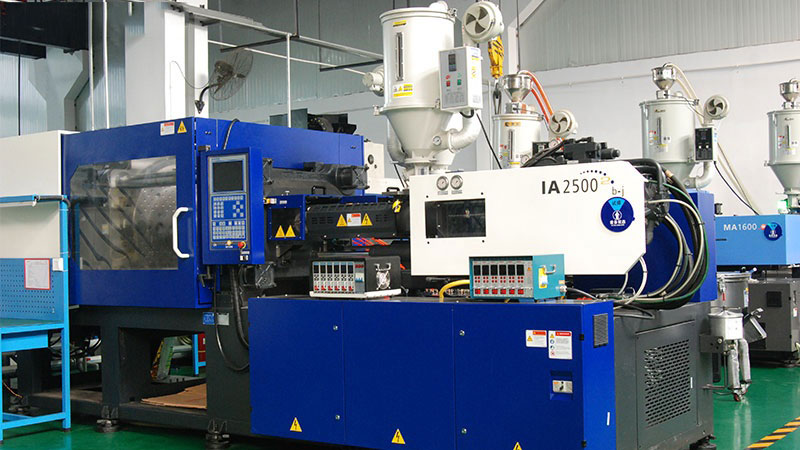
The foundation of a successful import project is a thoroughly vetted supplier. Begin your search beyond generic B2B platforms. While they are useful for creating a longlist, prioritize manufacturers with a proven track record in your specific industry, whether it be automotive components, medical devices, or consumer electronics. The core of supplier verification involves a multi-layered approach. First, scrutinize their technical capabilities: request detailed case studies, videos of their workshop, and lists of machinery. A professional custom plastic mold maker will readily provide this. Second, insist on a video conference to tour the facility virtually; this offers invaluable insights into their operational scale and housekeeping standards. Third, verify business licenses and, crucially, ask for and contact references from their existing overseas clients. This step in your procurement process is non-negotiable for mitigating risk.
Navigating Technical Communication and Design for Manufacturability
One of the most common pitfalls in overseas procurement is the assumption that a 3D design file is all that is required. Effective collaboration hinges on clear technical communication. Always initiate a Design for Manufacturability (DFM) review with your chosen China mold factory before steel is cut. A competent partner will analyze your part design and provide a formal DFM report, suggesting modifications to wall thickness, draft angles, gate locations, and ejection strategies to enhance moldability, reduce cost, and improve part quality. Use detailed 2D drawings with GD&T (Geometric Dimensioning and Tolerancing) to specify critical dimensions and tolerances, leaving no room for interpretation. Establishing a single, technically proficient point of contact on both sides streamlines communication and ensures all technical queries are resolved efficiently.
Implementing a Robust Quality Control Framework from Start to Finish
Proactive quality control is the single greatest factor in determining project success. Do not treat QC as a final inspection step; integrate it throughout the entire mold-making and production journey. Define your quality standards explicitly in the purchase agreement. Key checkpoints include a First Article Inspection (FAI) report from the initial mold trial, often supported by CMM (Coordinate Measuring Machine) data and material certifications. For the injection mold itself, insist on a mold qualification process where sample parts are produced, measured, and approved before the mold is shipped. For ongoing production, specify a statistically valid AQL (Acceptable Quality Level) for inspections. Consider engaging a trusted third-party quality inspection service within China for critical milestone inspections. This layered approach provides objective oversight and protects your investment.
Managing Logistics, IP Protection, and Long-Term Partnership
The final stages of procurement involve securing your assets and ensuring smooth delivery. Intellectual property protection is a valid concern. Work with a reputable custom plastic mold maker who is willing to sign a comprehensive NDA (Non-Disclosure Agreement) and a product development agreement that clearly states ownership of all mold and part designs. Regarding logistics, clarify Incoterms 2026 explicitly—terms like FOB Shanghai or EXW have major implications for cost, risk, and control. Ensure the China mold factory properly prepares the mold for shipping, including preservation, crating, and comprehensive documentation. Viewing this transaction as the start of a long-term partnership, rather than a one-off purchase, often yields better service, priority scheduling, and continuous improvement on future projects.
Conclusion
Importing an injection mold from China is a substantial investment that, when executed correctly, can provide a formidable competitive edge. The 2026 procurement landscape demands a disciplined, informed approach centered on diligent supplier verification, unambiguous technical communication, embedded quality control, and clear contractual safeguards. By moving beyond price as the sole deciding factor and focusing on the total value and reliability of your manufacturing partner, you transform a complex overseas procurement challenge into a streamlined, predictable process. The right China mold factory is not just a vendor but a strategic extension of your production capability, enabling innovation and growth in your global market.
Work With Us
As a professional China mold manufacturer, we provide one-stop mold solution for overseas buyers.
📞 Phone: +86-18605944639
💬 WhatsApp: +8618605944639
🌐 Website: bestmoldworks.com
📧 Email: [email protected]