For global manufacturers and product developers, sourcing tooling from China remains a strategic move to balance quality, innovation, and cost-effectiveness. The decision to import mold from China can unlock significant competitive advantages, yet the process is fraught with potential complexities for the uninitiated. This guide provides a professional, actionable framework for overseas buyers navigating the Chinese manufacturing landscape in 2026, focusing on practical solutions to common procurement challenges. By implementing these expert tips, you can streamline your supply chain, mitigate risks, and secure a reliable partnership with a top-tier China mold factory.
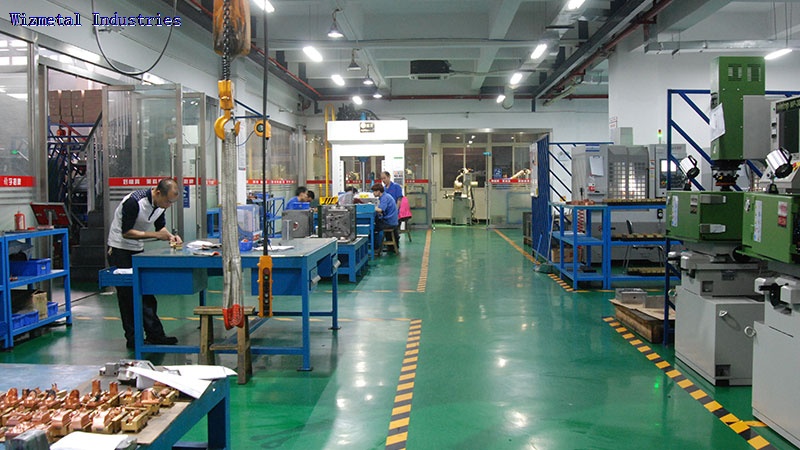
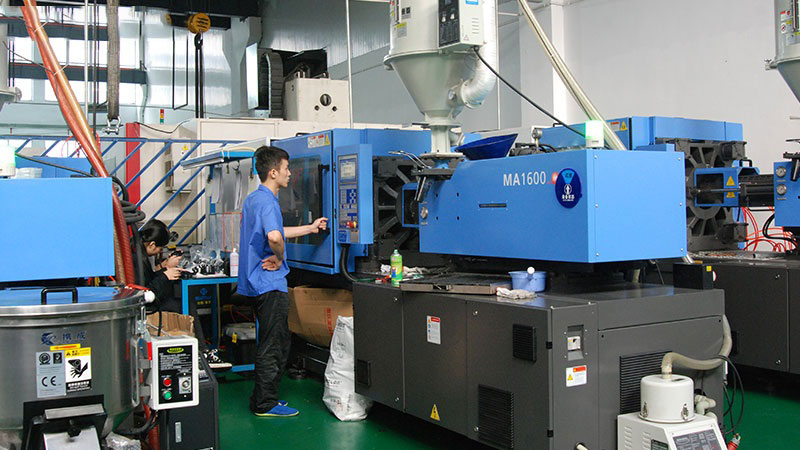
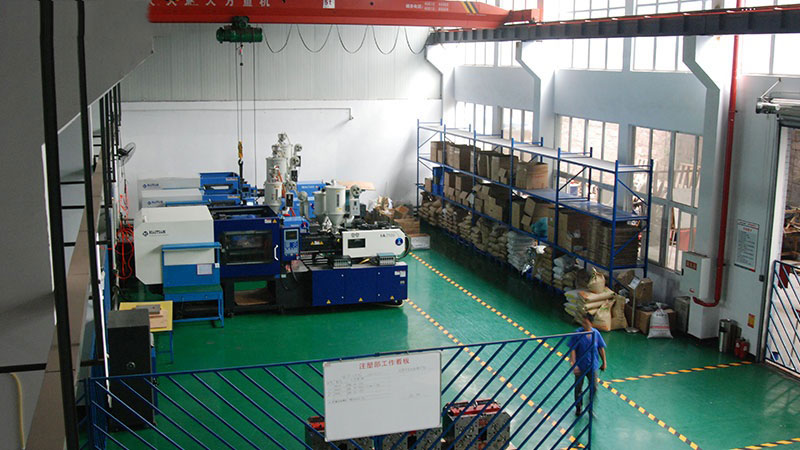
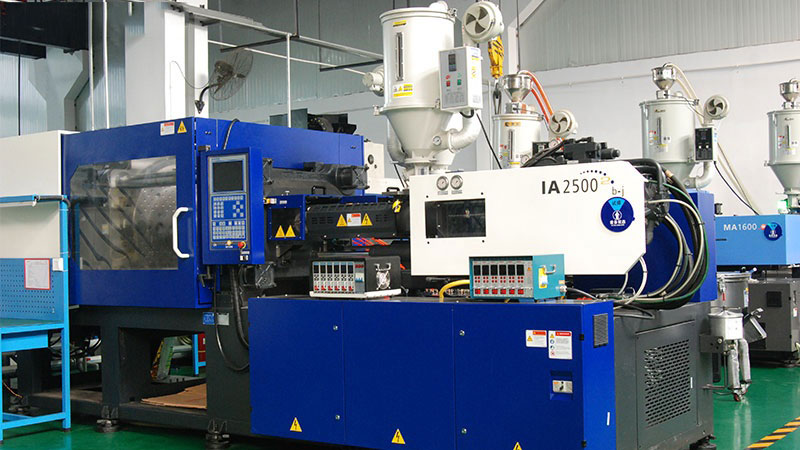
The cornerstone of a successful procurement journey is rigorous supplier verification. In 2024, simply browsing Alibaba is insufficient. Begin with a multi-faceted vetting process. First, verify business licenses and export credentials through official Chinese platforms. Next, conduct a deep-dive into technical capabilities: request detailed case studies of past projects, specifically for molds similar to your intended application, whether it’s a complex multi-cavity injection mold or a large automotive part. Utilize video conferencing for virtual factory tours, insisting on seeing live production floors and quality labs, not staged areas. Crucially, check international references and speak directly to their existing overseas clients. This due diligence separates marketing from manufacturing prowess and is your first defense against substandard partners.
Once a potential partner is identified, mastering the technical and commercial negotiation phase is critical. Ambiguity is the enemy of successful mold procurement. Develop a comprehensive Request for Quotation (RFQ) package that leaves no room for interpretation. This must include fully detailed 3D CAD files, material specifications (steel grade, e.g., P20, H13, S136), surface finish requirements (SPI standards), tolerance levels, and expected cycle life. For an injection mold, clearly state the intended resin, expected annual volumes, and any special requirements like conformal cooling or hot runner system preferences. During price negotiations, understand the cost breakdown. Be wary of quotes that seem abnormally low, as they often signal inferior materials or hidden costs. A professional China mold factory will provide a transparent breakdown covering design, materials, machining, heat treatment, trial, and shipping. Investing in clarity here prevents costly revisions and delays later.
Proactive and structured quality control is non-negotiable when you import mold from China. Do not treat QC as a final inspection before shipment. Implement a staged inspection protocol (DMI: Design, Manufacturing, Initial Sample) managed by your team or a trusted third-party inspection agency. Key milestones include a pre-production design review, steel material certification checks, and critical stage inspections after CNC machining and EDM. The most vital phase is the Trial Run Report (T1). Insist on a full trial at the supplier’s facility with video documentation. The report should include data on part dimensions (using CMM reports), part weight, cycle time, and shots taken. Analyze actual sample parts, not just data. This process allows for corrections before the mold leaves the factory, where changes become exponentially more expensive and time-consuming.
Navigating logistics, intellectual property (IP) protection, and post-delivery support forms the final pillar of a secure procurement strategy. Use Incoterms 2026 correctly—CIF or FOB are common, but understand your responsibilities and costs. Ensure the supplier provides professional mold packaging (crated, desiccated) for safe ocean freight. For IP, while a strong contract is essential, practical steps are more effective. Register your design patents in China if possible. Have the supplier sign a Non-Disclosure Agreement (NDA) and a Product Development Agreement that clearly states ownership of all design and tooling. Consider sequential release of drawings. Finally, secure clear terms for warranty and post-sales support. A reliable supplier will offer a warranty period (e.g., 12-18 months) covering workmanship and materials, and provide ongoing support for maintenance drawings and technical advice.
In conclusion, the landscape for importing precision tooling from China in 2026 demands a blend of traditional diligence and modern verification techniques. The path to success is built on systematic supplier verification, crystal-clear technical communication, embedded quality control processes, and robust legal and logistical planning. By approaching your procurement with this structured, solution-oriented mindset, you transform the challenge of sourcing from a distant market into a reliable, value-driven partnership. The goal is not merely to purchase a mold, but to establish a collaborative relationship with a China mold factory that contributes to your product’s quality and your company’s bottom line for years to come.
Work With Us
As a professional China mold manufacturer, we provide one-stop mold solution for overseas buyers.
📞 Phone: +86-18605944639
💬 WhatsApp: +8618605944639
🌐 Website: bestmoldworks.com
📧 Email: [email protected]