Blog

  • Custom molds for candles: Ultimate Guide for Buyers 2026

    For overseas buyers, sourcing custom molds for candles from China represents a significant opportunity to access high-quality manufacturing, innovative design capabilities, and competitive pricing. However, navigating this complex procurement landscape requires more than just finding a low quote. The process involves technical precision, clear communication across cultures, and rigorous quality assurance. This ultimate guide for 2026 is designed to provide you with actionable, professional strategies to successfully partner with a China mold factory, mitigate risks, and secure molds that will produce perfect candles for your market.

    The journey begins with precise design and specification. Ambiguity is the primary cause of cost overruns and unsatisfactory products. Before approaching any supplier, invest time in creating comprehensive design documents. These should include detailed 3D CAD files (STEP or IGS formats are standard), fully dimensioned 2D drawings specifying critical tolerances, and a clear material specification for the mold steel. For custom molds for candles, pay particular attention to draft angles, which ensure easy release of the finished candle, and surface finish requirements (e.g., polished, textured) that will be mirrored on your product. Specify the mold type—whether it’s for simple pillar candles, intricate silicone molds for detailed shapes, or high-volume injection mold systems for container candles. Providing physical samples or photos of desired candle outcomes can bridge language gaps. This preparatory work not only streamlines the quoting process but also establishes you as a knowledgeable and serious buyer.

    Finding and verifying the right China mold factory is the most critical step. Moving beyond generic B2B platforms, leverage industry-specific directories and seek referrals from within your professional network. In 2026, a supplier’s digital footprint is a key verification tool. Scrutinize their website for technical case studies, not just glossy images. Do they show engineering breakdowns or discuss challenges solved? A professional supplier will readily offer virtual or recorded video factory tours. During the verification process, insist on direct video calls with their project engineers, not just sales representatives. Discuss their experience with candle-specific molds, including knowledge of thermal dynamics for wax cooling and release mechanisms. Verify their business licenses and, for significant orders, consider a third-party verification service to confirm factory scale, ownership, and export credentials. This due diligence separates true manufacturing partners from trading companies or under-resourced workshops.

    Mastering the quotation and procurement negotiation phase protects your investment. A professional quote from a reputable supplier will be itemized, breaking down costs for design, mold base, cavity and core machining, heat treatment, assembly, and testing. Be wary of suspiciously low bids; they often indicate the use of inferior materials, such as low-grade steel that will wear quickly, or hidden costs that will appear later. Clearly define the payment terms—a common and secure structure is 30-50% deposit, 40-60% before shipment, with perhaps 10% retained until sample approval. Crucially, the quote must include provisions for a First Article Inspection (FAI) and sample candles produced from the trial mold. Negotiate for a fixed number of revision rounds included in the price. Understanding these commercial and technical terms is essential for a smooth procurement cycle and a sustainable supplier relationship.

    Implementing rigorous pre-shipment quality control is non-negotiable. Never allow shipment of your custom molds for candles without conclusive evidence of quality. The mandatory step is the Trial Run Report (also called T1 sample report). This document should include high-resolution photos and videos of the mold in operation, measurements of sample candles against your drawings, and a report on any issues encountered and corrected. Request that sample candles be shipped to you for physical inspection. For higher-value orders, hiring a local third-party quality inspection firm to visit the factory is a wise investment. Their inspectors will check the mold’s dimensions, material hardness, surface finish, and functionality before shipment. This step, while an added cost, prevents the vastly greater expense and delay of receiving a faulty mold, dealing with international returns, and halting your production line. It transforms quality control from a hope into a verified checkpoint.

    Planning for logistics and long-term partnership ensures ongoing success. Work with your supplier to understand export packaging—molds should be crated in protective, moisture-resistant wooden boxes. Discuss Incoterms 2026 (like FOB or EXW) clearly to delineate shipping responsibilities and costs. Ensure all customs documentation, including a detailed commercial invoice and packing list, is accurately prepared. Beyond the first order, view a reliable China mold factory as a long-term partner. A good supplier will offer maintenance advice and be available to produce spare parts or additional mold cavities as your business grows. They can become a source of innovation, suggesting design-for-manufacturability improvements or new materials for your future candle mold projects.

    Conclusion

    Successfully importing custom candle molds from China in 2026 is a structured process of technical preparation, diligent supplier verification, commercial clarity, and uncompromising quality assurance. By approaching the procurement with a professional framework—investing in detailed designs, thoroughly vetting your injection mold partner, understanding the full scope of costs, insisting on pre-shipment inspections, and planning for logistics—you transform a complex international transaction into a strategic advantage. The goal is to build a relationship with a Chinese mold manufacturer that delivers not just a tool, but quality, consistency, and innovation, fueling the growth of your candle business for years to come.

    Work With Us

    As a professional China mold manufacturer, we provide one-stop mold solution for overseas buyers.
    📞 Phone: +86-18605944639
    💬 WhatsApp: +8618605944639
    🌐 Website: bestmoldworks.com
    📧 Email: [email protected]
  • high quality mold: Best Suppliers & Quality Control 2026

    For overseas buyers, procuring a high quality mold from China represents a significant strategic advantage, offering unparalleled value and manufacturing capability. However, the path to securing a reliable China mold factory that consistently delivers precision and durability is fraught with challenges. The market is vast, and variance in standards can turn a cost-saving initiative into a costly, delayed project. This guide, focused on the landscape of 2026, moves beyond generic advice to provide actionable, professional strategies for supplier verification and quality control, ensuring your procurement process yields a true high quality mold.

    The foundation of a successful import project is rigorous supplier verification. In 2026, this goes far beyond checking an Alibaba storefront. Start with a deep-dive technical assessment. A competent China mold factory should readily provide detailed case studies, preferably with videos of molds in operation and end-use parts. Request information on their typical clientele and industries served; a supplier experienced with automotive or medical components inherently understands tighter tolerances than one focused on commodity goods. Crucially, initiate a video conference for a virtual factory tour. Observe the workshop floor: are machines like CNC, EDM, and wire-cutting modern and well-maintained? Is there a clean, organized area for assembly and inspection? This visual audit separates established operations from mere trading companies. Finally, insist on speaking directly with their project engineering team to gauge their communication skills and technical problem-solving approach before any order is placed.

    Once a potential partner is identified, defining and agreeing upon specifications is the critical step that prevents 80% of future disputes. For injection mold procurement, your technical data pack must be exhaustive. Beyond part drawings, provide a comprehensive mold design specification document. This should include the mold base standard (e.g., HASCO, DME), steel grade for each component (e.g., P20, H13, S136), surface finish requirements (SPI/VDI standards), and detailed expectations for the cooling system, ejection, and venting. Specify all critical dimensions and tolerances on the part, highlighting cosmetic and functional areas. A professional supplier will review this pack and provide a Design for Manufacturability (DFM) report, offering suggestions to improve mold life, part quality, and manufacturability. Agreeing on this document in writing, with all revisions tracked, creates a binding blueprint for the project and is the first real test of a supplier’s engineering expertise and commitment to transparency.

    Implementing a staged quality control protocol is non-negotiable for securing a high quality mold. A proactive, multi-point inspection strategy is far more effective than a single pre-shipment check. Mandate and review First Article Inspection (FAI) reports when the first sample parts are produced from the finished mold. This report should validate that critical part dimensions meet your drawing specifications. More importantly, establish milestone inspections during the mold manufacturing process. Key checkpoints include the mold base inspection, core/cavity inspection after machining and heat treatment, and a final assembly trial run. For 2026, leverage technology: require high-resolution photos and videos of these stages, and consider partnering with a local third-party quality inspection firm for an on-site Critical Process Inspection (CPI). This staged approach allows for course correction early, preventing minor issues from becoming major, costly reworks at the final hour.

    The true test of a mold’s quality is its performance and longevity in your production. Therefore, your procurement agreement must clearly define performance validation and post-delivery support. Specify a formal sample approval process. Upon receiving initial samples, conduct your own rigorous testing for dimensions, fit, function, and material properties. For injection molds, also evaluate the cycle time and stability of the molding process during the trial run at the supplier’s facility. Furthermore, negotiate clear terms for mold modification and warranty. A reputable supplier will offer a standard warranty period (e.g., 12-18 months) against manufacturing defects and workmanship. Ensure the contract outlines responsibilities and costs for future modifications, should your part design change. Establishing this framework upfront ensures the supplier is invested in the mold’s long-term performance, not just its initial delivery.

    Navigating logistics and protecting intellectual property (IP) are the final, crucial pillars. For logistics, work with your China mold factory to determine the optimal shipping method—air for urgency, sea for cost-effectiveness. Ensure they professionally crate the mold, using desiccants to prevent rust, and provide a detailed packing list and mold maintenance manual. For IP protection, which remains a top concern for overseas buyers, take a multi-layered approach. Sign a comprehensive Non-Disclosure Agreement (NDA) before sharing any technical data. Consider registering your design patents in China. Within your contract, include explicit clauses that state all tooling, designs, and associated data remain your exclusive property. While no measure is foolproof, this legal framework demonstrates seriousness and provides clear recourse, deterring most potential infringements.

    Securing a dependable source for a high quality mold in China in 2026 is a systematic process of due diligence, clear communication, and controlled verification. It transforms procurement from a transactional price hunt into a strategic partnership. By meticulously verifying suppliers through technical audits, defining specifications with absolute clarity, implementing staged quality control checkpoints, validating performance, and securing your assets, you mitigate the inherent risks. The result is not just a tool, but a capital asset that drives your production efficiency, product quality, and competitive edge for years to come. The best suppliers expect and respect this professional approach, as it is the hallmark of a serious, long-term buyer.

    Work With Us

    As a professional China mold manufacturer, we provide one-stop mold solution for overseas buyers.
    📞 Phone: +86-18605944639
    💬 WhatsApp: +8618605944639
    🌐 Website: bestmoldworks.com
    📧 Email: [email protected]
  • custom plastic mold Manufacturerturer: Best Suppliers 2026

    For overseas buyers, sourcing a reliable custom plastic mold manufacturer is a critical step that can define the success of your product launch and manufacturing timeline. The Chinese market offers unparalleled advantages in cost, scalability, and technical capability, but navigating it requires a strategic approach to procurement. The goal for 2026 is not merely to find a supplier but to build a partnership with a China mold factory that delivers consistent quality, innovation, and value. This guide provides actionable, problem-solving strategies to help you identify and collaborate with the best custom plastic mold manufacturers in the coming year.

    The foundation of a successful import project lies in thorough supplier verification. The term “manufacturer” can be misleading, as many trading agents present themselves as factories. Your first practical step is to conduct deep due diligence. Begin by verifying business licenses and requesting official company registration details. Utilize video calls to request real-time virtual factory tours; a genuine injection mold facility will have CNC machines, EDM equipment, mold trial presses, and a quality control lab. Ask for specific case studies related to your industry and request direct contact with their engineering team to discuss technical details. This process filters out intermediaries and ensures you are engaging with a capable production partner, setting a solid foundation for your project.

    Once a potential partner is verified, the focus shifts to technical communication and prototyping. Miscommunication of design intent is a primary cause of costly mold reworks. To solve this, provide a comprehensive technical data package beyond just 3D files. This should include a detailed specification sheet covering material type, expected annual volume, cavity requirements, surface finish specifications, tolerance levels, and part function. Insist on a Design for Manufacturability review from their engineers. A proficient custom plastic mold manufacturer will proactively suggest modifications to improve mold flow, reduce complexity, and enhance durability. Furthermore, never skip the prototype mold or first article inspection stage. This initial investment allows for physical verification of the mold’s output before committing to full-scale production, mitigating significant downstream risks.

    Effective quality control is non-negotiable and must be structured from the outset. Relying solely on final pre-shipment inspections is a reactive and often inadequate strategy. The solution is to integrate QC checkpoints throughout the mold manufacturing process. Require your supplier to provide documented evidence at key stages: material certification for the mold steel, photos of the finished mold cavity, and a full report from the mold trial. For the injection mold production run, define your Acceptable Quality Level and critical-to-quality dimensions in a shared document. Consider engaging a trusted third-party quality inspection service in China to conduct an initial production check. This proactive approach ensures issues are identified and resolved while the production is still on the factory floor, preventing defective goods from ever reaching your port.

    Managing logistics, cost, and intellectual property forms the final pillar of a secure procurement strategy. Clearly define Incoterms in your contract to avoid unexpected freight or duty costs. For molds, consider door-to-door shipping with insurance, as these are high-value, precision tools. Regarding cost, while competitive pricing is a key advantage, be wary of quotes that seem excessively low. They often indicate inferior materials or workmanship. Instead, seek transparent, breakdown quotes that itemize mold base, machining, labor, and trial costs. Finally, intellectual property protection is a legitimate concern. Work with a manufacturer that respects confidentiality. Sign a robust Non-Disclosure Agreement and consider registering your design patents in China. Reputable suppliers value long-term relationships over short-term gains and understand that protecting your IP is essential to mutual trust.

    Identifying the best suppliers in 2026 demands a move beyond simple price comparison to a partnership-based model built on verification, clear communication, and integrated quality control. By meticulously vetting your China mold factory, engaging deeply in the technical process, implementing staged quality inspections, and securing your commercial terms, you transform the complexity of overseas procurement into a competitive advantage. The optimal custom plastic mold manufacturer for your business will not just be a vendor but a transparent and technically proficient extension of your own production team, capable of delivering the precision and reliability required to thrive in the global market.

    Work With Us

    As a professional China mold manufacturer, we provide one-stop mold solution for overseas buyers.
    📞 Phone: +86-18605944639
    💬 WhatsApp: +8618605944639
    🌐 Website: bestmoldworks.com
    📧 Email: [email protected]
  • custom injection molding: Complete Procurement Guide 2026

    Navigating the landscape of custom injection molding in China presents a significant opportunity for overseas buyers to achieve substantial cost savings and access world-class manufacturing capabilities. However, the journey from concept to receiving high-quality, consistent parts involves nuanced steps that, if overlooked, can lead to costly delays and subpar results. This guide is designed for procurement professionals and product developers seeking a clear, actionable roadmap. We move beyond generic advice to address the real-world challenges of supplier verification, technical alignment, and quality assurance, providing you with the strategic knowledge to confidently partner with a reliable China mold factory in 2026 and beyond.

    The cornerstone of a successful project lies in selecting the right partner, not just the lowest bidder. Supplier verification is your first and most critical line of defense. Begin with a multi-layered assessment. Technically, demand evidence of experience with materials and part complexities similar to yours. A professional injection mold supplier will readily share case studies and may even provide sample parts for your inspection. Operationally, verify certifications not as mere paperwork, but as indicators of process adherence; ISO 9001 is a baseline, while IATF 16949 is crucial for automotive projects. Financially, a stability check via third-party reports can prevent partnership disruptions. Crucially, insist on a video conference tour of the facility. Seeing the CNC machining centers, EDM equipment, and injection molding presses in operation, and interacting with the engineering team, provides invaluable insight no audit report can match.

    Once a potential partner is identified, mastering the technical and commercial quotation phase is essential. A professional China mold factory will request a comprehensive package: a 3D model (STEP or IGES preferred), 2D drawings with critical dimensions and tolerances clearly defined, material specifications, and expected annual volumes. Scrutinize the quotation breakdown. It should clearly separate mold cost from part price. For the mold, understand the steel grade (e.g., pre-hardened 718 vs. hardened S136), cavity life expectancy, and the scope of mold trials and approvals. For the parts, the quote should outline the production process, cycle time estimates, and quality control measures included. Be wary of quotes that are suspiciously low; they often signal the use of inferior materials or overlooked details that will surface as problems later. Transparent communication here sets the foundation for the entire project.

    The design for manufacturability (DFM) review is where a true partnership adds immense value. An experienced injection mold engineer will analyze your design to suggest modifications that enhance moldability, reduce cost, and improve part quality. This may involve adjusting wall thickness for uniform filling, adding draft angles for easier ejection, or redesigning features to simplify the mold structure. Engage deeply in this process. A supplier that passively accepts your design without constructive feedback may lack the expertise or willingness to optimize. The DFM stage is also the time to finalize critical discussions on gate location (which affects aesthetics and strength), surface finish specifications (SPI standards), and the mold texturing process. Approving the final mold design drawings from your supplier, with all revisions documented, is your formal go-ahead and prevents “that’s not what we expected” scenarios later.

    With the mold in manufacturing, proactive quality control transitions from a concept to a scheduled activity. Do not adopt a “wait and see” approach until shipment. Establish clear milestone inspections. The First Article Inspection (FAI) after initial mold trials is non-negotiable. Require a comprehensive report including dimensional results from CMM (Coordinate Measuring Machine) checks, material certification, and photos/videos of the parts and the mold. Many buyers employ third-party inspection services for an unbiased assessment at this stage. Furthermore, discuss process validation; a Process Capability Study (Cp/Cpk) on critical dimensions provides statistical evidence that the production run can consistently meet your specifications. Before mass production begins, ensure you have approved golden samples, signed off by both parties, which will serve as the physical benchmark for all future orders and inspections.

    The final phase encompasses logistics, intellectual property (IP) protection, and long-term partnership management. For logistics, clarify incoterms (EXW, FOB, etc.) explicitly to avoid hidden charges. Discuss packaging requirements to prevent damage during ocean freight. Regarding IP, a robust Non-Disclosure Agreement (NDA) is essential, but consider practical steps like numbering cavity inserts. For long-term success, view your supplier as an extension of your operations. Schedule regular business reviews, share forecasts, and provide feedback on delivered quality. A reliable partner in custom injection molding will appreciate this collaboration, leading to continuous improvement, potential cost reductions at higher volumes, and priority service during market fluctuations.

    In conclusion, procuring custom injection molding from China in 2026 demands a blend of diligent vetting, technical collaboration, and structured quality oversight. The landscape is competitive, and the most successful overseas buyers are those who invest time in thorough supplier verification, engage actively in the DFM and quotation process, implement staged quality control checkpoints, and foster transparent, long-term relationships. By treating the procurement process as a strategic engineering partnership rather than a simple purchase order, you unlock the full potential of China’s manufacturing prowess. This approach ensures you receive not only a cost-effective injection mold but also a stream of high-quality components that support your product’s success in the global market for years to come.

    Work With Us

    As a professional China mold manufacturer, we provide one-stop mold solution for overseas buyers.
    📞 Phone: +86-18605944639
    💬 WhatsApp: +8618605944639
    🌐 Website: bestmoldworks.com
    📧 Email: [email protected]
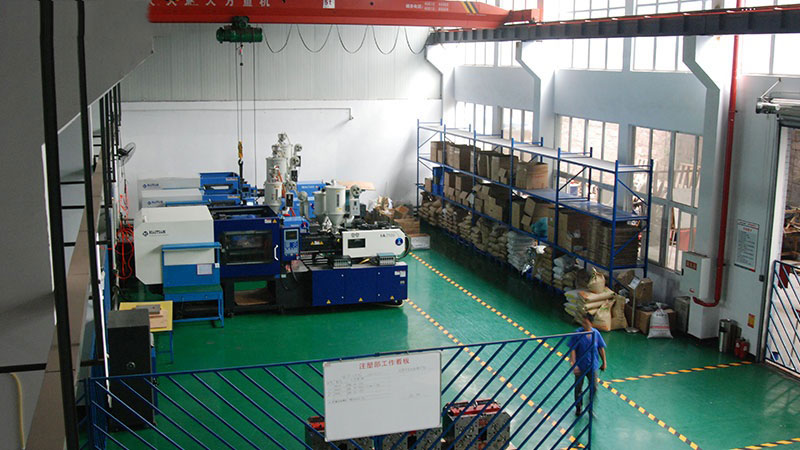
  • custom mold: Best Suppliers & Quality Control 2026

    For overseas buyers, procuring a custom mold from China represents a significant opportunity to leverage advanced manufacturing capabilities and cost efficiencies. However, the path from concept to a flawless production tool is fraught with potential pitfalls. The core challenge is not merely finding a China mold factory, but systematically identifying the best partners and implementing ironclad quality control protocols. This guide for 2026 cuts through the noise, offering a professional, actionable framework to secure a high-quality custom mold that meets exact specifications, on time and on budget.

    The foundation of a successful import project is rigorous supplier verification. Moving beyond Alibaba listings and price comparisons is non-negotiable. Start by defining your project’s precise requirements: material (e.g., P20, S136 steel), lifespan (number of shots), tolerances, and post-mold services like sampling. Use this specification sheet to qualify potential partners. Seek out suppliers with demonstrable expertise in your specific industry, whether automotive, medical, consumer electronics, or packaging. A professional China mold factory will readily provide case studies, client references (preferably from your region), and details of their engineering team’s qualifications. Verify business licenses and export history. In 2026, leverage video conferencing for virtual factory tours; scrutinize the workshop for organization, maintenance of CNC, EDM, and CMM machines, and 5S practices. This upfront diligence filters out trading companies and under-equipped workshops, directing you to capable manufacturers.

    Once a shortlist is established, the focus shifts to technical alignment and procurement process clarity. The design phase is the most critical lever for quality and cost. Insist on a Design for Manufacturability (DFM) review before any steel is cut. A competent supplier will analyze your 3D part design, suggest improvements for moldability, and propose an optimal mold structure (e.g., two-plate vs. three-plate, hot runner system selection). This collaborative step prevents costly revisions later. The procurement contract must be explicit. Beyond price and lead time, it should detail steel grade certifications (with mill test reports), a complete list of standard components (brands like HASCO or DME), surface finish requirements (SPI standards), and a milestone-based payment schedule (e.g., 30% deposit, 40% after T1 sample approval, 30% before shipment). Clearly define ownership of intellectual property and mold storage terms. A transparent agreement aligns expectations and protects both parties.

    Proactive, staged quality control is what separates successful imports from costly failures. Do not rely on a single pre-shipment inspection. Implement a multi-gate QC process. First, conduct a First Article Inspection (FAI) when the initial sample parts (T1) are produced. Measure critical dimensions against the CAD model using the supplier’s CMM report and, for high-value molds, consider hiring a third-party inspection agency in China for an unbiased assessment. Second, require full documentation throughout the build: mold flow analysis reports, photos of the polished cavities and cores, videos of the mold trial. Third, establish clear Sample Approval Procedures (SAP). Ship sample parts to your facility for real-world testing—fit, function, and material performance. Only upon your written approval should the mold proceed to final finishing or shipment. This staged approach catches issues early, when they are least expensive to correct.

    The journey does not end when the custom mold leaves the factory. Post-production support and long-term strategy are hallmarks of a superior supplier. Discuss and agree on terms for mold maintenance, repair, and modification. Will they provide spare parts? What is their response time for troubleshooting? For injection mold projects, ensure the supplier can produce a run of production parts for qualification, providing crucial data on cycle times and part consistency. Looking ahead to 2026, consider building a strategic partnership with one or two verified high-performing factories. This deepens their understanding of your quality standards and can lead to priority scheduling, collaborative problem-solving, and more favorable terms for future projects. A true partner invests in the long-term success of your product, not just a single transaction.

    Importing a custom mold from China in 2026 demands a blend of traditional procurement acumen and modern verification techniques. The lowest quote is often the most expensive path. Success is built on systematic supplier verification, collaborative design engineering, a multi-stage quality control regime, and a view toward partnership. By focusing on technical capability and transparent processes over price alone, overseas buyers can confidently tap into China’s mold manufacturing excellence. The result is a precision tool that delivers reliable performance, ensuring the quality and profitability of your end product for years to come.

    Work With Us

    As a professional China mold manufacturer, we provide one-stop mold solution for overseas buyers.
    📞 Phone: +86-18605944639
    💬 WhatsApp: +8618605944639
    🌐 Website: bestmoldworks.com
    📧 Email: [email protected]

  • Custom Silicone Mold with Logo: Best Suppliers & Qualit 2026

    For overseas buyers, the prospect of importing custom silicone molds with logos from China presents a powerful opportunity to enhance brand identity and product differentiation at a competitive cost. However, navigating the vast landscape of Chinese manufacturing to secure not just a low price, but exceptional and consistent quality, requires a strategic approach. This guide is designed to cut through the noise, offering actionable insights for your procurement process in 2026 and beyond, ensuring your branded silicone products meet the highest standards.

    The foundation of a successful import project lies in meticulous supplier verification. The term “China mold factory” encompasses a massive range of operations, from highly specialized workshops to large-scale industrial facilities. Begin your search with a focus on manufacturers who explicitly showcase expertise in silicone and rubber molding, not just general plastic injection mold makers. Scrutinize their online presence for case studies similar to your project, paying close attention to logo integration details like depth, clarity, and positioning. Utilize third-party verification platforms to check business licenses, export history, and certifications relevant to your market, such as FDA, LFGB, or RoHS compliance for food-grade or consumer products. Initial communication should be technical and detailed; a reliable partner will ask probing questions about your material specifications, intended use, and logo artwork format, rather than immediately quoting the lowest price.

    Once a shortlist of potential suppliers is established, the focus must shift to a robust technical discussion and prototyping phase. Clearly communicate every detail of your custom silicone mold with logo. This includes providing vector-based logo artwork, specifying desired logo depth (too shallow may not imprint clearly, too deep may cause tearing), and defining the mold’s durometer (softness/hardness). For complex parts, inquire about their capabilities in multi-cavity molds or family molds to increase production efficiency. The most critical step is to insist on a prototype or a 3D printed sample before full tooling commitment. This sample is the only true way to evaluate the logo’s fidelity, the mold’s functionality, and the final product’s feel. A trustworthy supplier will transparently manage this phase, providing clear timelines and costs for sampling, which is an investment in preventing costly mass-production errors.

    Quality control cannot be an afterthought; it must be engineered into the process from the start. Prior to production, request a detailed Quality Control Plan. For a custom silicone mold with logo, key checkpoints include First Article Inspection (FAI) against your approved sample, in-process checks during production runs for consistency, and pre-shipment random sampling. Define acceptable quality limits (AQL) for defects, particularly concerning logo imperfections like bubbling, incomplete filling, or misalignment. If feasible, consider engaging a local third-party quality inspection service for an unbiased pre-shipment audit. Furthermore, discuss the supplier’s internal processes: how do they control raw silicone material batches for color and property consistency? How is the production environment maintained to prevent dust contamination that can mar the logo surface? Proactive quality dialogue separates premium suppliers from basic workshops.

    Understanding the total cost and logistics structure is vital for smooth procurement. While unit price is important, evaluate the full cost package. This includes the one-time cost for the custom mold tooling (often steel or aluminum), the per-unit piece price, and any charges for color matching or special material formulations. Clarify packaging standards to ensure molds arrive undamaged and logos are protected from scuffing. Discuss incoterms explicitly—FOB (Free On Board) is common, giving you control over your chosen shipping and freight forwarder. Ensure all documentation for customs clearance, such as a detailed commercial invoice and packing list, is professionally prepared. For ongoing projects, explore their capacity for inventory management or just-in-time delivery schedules to optimize your supply chain efficiency.

    Building a sustainable partnership with your chosen China mold factory is the ultimate goal for long-term success. View your initial order as the start of a collaborative relationship. A reliable supplier becomes an extension of your team, offering suggestions for design for manufacturability (DFM) that might simplify the mold, reduce waste, or enhance logo durability. They can also advise on material advancements, such as new platinum-cure silicones for superior skin safety or vibrant colorfast pigments. Consistent communication and fair business practices foster trust, leading to priority service, better pricing on repeat orders, and a partner invested in the quality of your branded products. This strategic relationship is your most valuable asset in the competitive global marketplace.

    Importing custom silicone molds with logos from China in 2026 demands a blend of diligent verification, technical clarity, and quality-centric partnership. By moving beyond price-based selection to a comprehensive evaluation of supplier capability and process control, overseas buyers can reliably access world-class manufacturing. The journey involves careful steps in supplier verification, precise prototyping, stringent quality control, and clear logistics planning. When executed correctly, this process unlocks the significant advantages of Chinese manufacturing, allowing you to produce uniquely branded, high-quality silicone products that stand out in your market and reinforce your brand identity with every detail.

    Work With Us

    As a professional China mold manufacturer, we provide one-stop mold solution for overseas buyers.
    📞 Phone: +86-18605944639
    💬 WhatsApp: +8618605944639
    🌐 Website: bestmoldworks.com
    📧 Email: [email protected]

  • custom plastic injection mold Manufacturerturer: Prof 2026

    For overseas businesses, from ambitious startups to established OEMs, sourcing a custom plastic injection mold is a pivotal investment that dictates product quality, time-to-market, and overall project viability. As we look toward 2026, the global manufacturing landscape continues to evolve, with China remaining a dominant hub for precision tooling. However, the path to a successful partnership with a custom plastic injection mold manufacturer is paved with both immense opportunity and potential complexity. This guide cuts through the noise to provide a professional, actionable framework for overseas procurement, ensuring your venture into Chinese mold manufacturing is built on a foundation of clarity, quality, and strategic partnership.

    The cornerstone of a successful import project is rigorous supplier verification. Moving beyond simple online directories or Alibaba listings is non-negotiable. In 2026, due diligence must be multi-faceted. Begin by verifying business licenses and export credentials. Request and scrutinize a detailed company portfolio that includes case studies relevant to your industry, whether it’s automotive components, medical devices, or consumer electronics. The capability of a China mold factory is best assessed through a virtual or, ideally, an in-person facility tour. Pay close attention to their machinery—the types and brands of CNC, EDM, and injection molding machines indicate their commitment to precision and modern manufacturing standards. Crucially, insist on speaking directly with their engineering project managers. A competent custom plastic injection mold manufacturer will have technical staff capable of discussing your design, suggesting Design for Manufacturability (DFM) improvements, and communicating fluently in English. This step filters out mere trading companies from genuine, technically proficient manufacturers.

    Once a potential partner is identified, mastering the technical and commercial quotation process is your next critical step. A professional quotation from a reliable injection mold supplier should be exhaustive, not merely a single bottom-line price. It must itemize costs for mold base materials (such as pre-hardened steel, stainless steel, or aluminum), cavity and core inserts, actions (like sliders and lifters), surface finish specifications, and the number of included mold trials. Crucially, it should define the payment terms—typically a staggered schedule (e.g., 30-50% deposit, 40% after T1 sample approval, balance before shipment)—and a detailed project timeline from design review to sample delivery. This transparency allows for accurate comparison between different China mold factory proposals. Beware of quotes that seem abnormally low; they often signal the use of inferior materials, less experienced labor, or hidden costs that will surface later, jeopardizing both your budget and product quality.

    The true measure of a manufacturer lies in its systemic approach to quality control. For overseas buyers, physical distance makes a robust, documented QC protocol your primary safeguard. Before production begins, a formalized DFM report is essential. This document should highlight potential issues in your part design that could affect moldability, part strength, or appearance. During mold manufacturing, insist on regular progress reports with photos or videos of key milestones: material certification, CNC machining, EDM texturing, and assembly. The First Article Inspection (FAI) upon the initial sample (T1) is the most critical checkpoint. Your supplier should provide a comprehensive dimensional inspection report, often using CMM (Coordinate Measuring Machine) data, comparing the sample against your 3D CAD drawings. For ongoing production, clarify their process for routine mold maintenance and their capability for production part validation. Establishing these QC expectations upfront aligns both parties and prevents costly misunderstandings after the tool is built.

    Effective communication and comprehensive logistics planning are the final pillars for a seamless import experience. Language barriers and time zone differences are manageable with the right protocols. Designate a single point of contact on both sides, preferably using professional platforms like email or Microsoft Teams for all technical and commercial correspondence to maintain a clear audit trail. All drawings, specifications, and change orders must be version-controlled. Regarding logistics, you must decide early on between Ex-Works (where you handle all shipping and insurance) and FOB (where the supplier delivers the mold to the port). For a high-value, precision item like an injection mold, consider investing in professional mold packaging—a sturdy, waterproof wooden crate—and insurance for the sea or air freight. Furthermore, discuss post-sales support. A reputable custom plastic injection mold manufacturer will offer a clear warranty period covering workmanship and materials, typically 12-24 months, and provide guidance on maintenance. Understanding the process for submitting engineering change orders (ECOs) for future part modifications is also prudent for long-term product lifecycle management.

    Successfully importing a custom plastic injection mold from China in 2026 is a strategic exercise in detailed preparation and partnership building. It transcends merely finding the lowest cost and instead focuses on identifying a technically capable, transparent, and reliable injection mold partner. By implementing a disciplined approach to supplier verification, demanding detailed quotations, enforcing rigorous quality control measures, and establishing clear communication and logistics channels, you transform a complex overseas procurement challenge into a competitive advantage. The goal is to secure not just a tool, but a collaborative relationship with a China mold factory that ensures your product vision is realized with precision, reliability, and efficiency, laying a strong foundation for your market success now and in the years to come.

    Work With Us

    As a professional China mold manufacturer, we provide one-stop mold solution for overseas buyers.
    📞 Phone: +86-18605944639
    💬 WhatsApp: +8618605944639
    🌐 Website: bestmoldworks.com
    📧 Email: [email protected]

  • Silicone mold customization: Professional Buying Guide 2026

    For overseas businesses, sourcing custom silicone molds from China represents a significant opportunity to enhance product development and manufacturing efficiency. The combination of advanced technical capabilities, scalable production, and cost-effectiveness makes China a premier destination for injection mold and silicone tooling procurement. However, navigating this complex landscape requires a strategic approach to supplier verification, communication, and quality control. This professional buying guide for 2026 is designed to provide you with actionable, real-world strategies to streamline your silicone mold customization process and build successful, long-term partnerships with reputable China mold factory partners.

    Conducting Thorough Supplier Verification and Capability Assessment

    The foundation of a successful import project is a rigorously vetted supplier. Moving beyond basic online directories is crucial. Begin by identifying manufacturers with demonstrable expertise in silicone mold customization, as the requirements differ from standard plastic injection mold projects. Scrutinize their portfolio for projects similar in complexity, size, and industry to yours. A professional China mold factory will readily provide case studies. Essential verification steps include checking business licenses, export history, and requesting factory audit reports. In 2026, leverage video conferencing for virtual factory tours to inspect machinery, such as CNC centers and EDM equipment, and their cleanroom conditions for silicone processing. Directly ask about their experience with food-grade, high-temperature resistant, or liquid silicone rubber molds to gauge their specialized knowledge. This due diligence mitigates risk and ensures your partner possesses the technical foundation for your specific needs.

    Mastering Technical Documentation and RFQ Clarity

    Ambiguity in technical specifications is the primary cause of delays, cost overruns, and unsatisfactory mold quality. To procure a perfect mold, you must provide crystal-clear requirements. Develop a comprehensive Request for Quotation package. This should include detailed 3D CAD files of the final part, specifying critical dimensions, tolerances, and surface finish requirements. Clearly state the intended material for production casting, as this directly influences the mold material selection. For silicone mold customization, specify the type of silicone you will be using, its Shore hardness, and any expected production volume, as these factors affect mold durability and design. Outline post-processing needs, such as texture, painting, or assembly requirements. Precise documentation enables suppliers to provide accurate quotations, timelines, and feasibility feedback, setting a professional tone for the entire project.

    Implementing Proactive Communication and Project Management Protocols

    Effective communication bridges the geographical and cultural gap. Establish a single point of contact on both sides who possesses technical understanding. Utilize collaborative tools for sharing drawings and updates. Insist on a structured project timeline with defined milestones, such as design review, mold flow analysis, T1 sample submission, and final approval. For critical projects like a complex injection mold, schedule regular update meetings to review progress. Discuss and agree upon a protocol for handling design changes, including their impact on cost and delivery. Understanding cultural nuances, such as the importance of relationship building, can also smooth interactions. Clear, documented, and consistent communication prevents misunderstandings and ensures both parties are aligned throughout the silicone mold customization journey.

    Enforcing a Rigorous Quality Control and Sampling Process

    Quality control cannot be an afterthought; it must be integrated into every stage. Define your quality standards upfront and agree on inspection methods with your supplier. For molds, this includes First Article Inspection reports on the steel or aluminum mold blocks and critical dimension checks. The most critical phase is the sampling process. Upon receiving the first mold samples, conduct a thorough evaluation. Test the mold with your actual production-grade silicone material to check for filling, air entrapment, demolding ease, and the quality of the final cast parts. Measure the samples against your original specifications meticulously. Do not approve mass production until the samples are perfect. Consider engaging a trusted third-party inspection service within China for an impartial pre-shipment inspection of the final mold. This layered approach to quality control protects your investment.

    Navigating Logistics, IP Protection, and Long-Term Partnership

    Finalizing the mold is only part of the process. Discuss Incoterms clearly to define responsibilities for shipping, insurance, and customs clearance. Proper packaging for international freight is essential to protect your precision tooling. Intellectual property protection is a valid concern for many buyers. Work with your supplier to sign a comprehensive Non-Disclosure Agreement. For highly proprietary designs, consider registering your design patents in China. A trustworthy partner will respect IP confidentiality. View successful procurement as the start of a partnership. A reliable China mold factory that delivers quality on time is a valuable asset for future projects, mold maintenance, and modifications. Building this relationship fosters better service, priority scheduling, and collaborative problem-solving for your ongoing needs.

    Conclusion

    Importing custom silicone molds from China in 2026 demands a blend of meticulous preparation, clear communication, and vigilant quality assurance. By implementing a systematic approach to supplier verification, mastering technical documentation, enforcing robust quality control protocols, and fostering professional communication, overseas buyers can significantly de-risk the procurement process. The goal is to transform a complex international supply chain challenge into a streamlined, reliable source of high-quality tooling that drives your product innovation and manufacturing success. With this professional guide as your framework, you are equipped to engage with Chinese mold manufacturers confidently and build partnerships that deliver exceptional value and precision for your silicone mold customization projects.

    Work With Us

    As a professional China mold manufacturer, we provide one-stop mold solution for overseas buyers.
    📞 Phone: +86-18605944639
    💬 WhatsApp: +8618605944639
    🌐 Website: bestmoldworks.com
    📧 Email: [email protected]

  • injection mold: Professional Buying Guide 2026 | China Mold Factory

    Navigating the procurement of an injection mold from China presents a significant opportunity for cost efficiency and technical capability, yet it is fraught with complexities for the uninitiated. For overseas buyers, the process extends far beyond a simple price comparison. It is a strategic undertaking that, when executed correctly, results in a high-quality tool that becomes a cornerstone of your manufacturing success for years. This guide for 2026 cuts through the noise to provide a professional, actionable framework for engaging with a China mold factory. We will move from foundational understanding to advanced verification and quality control strategies, ensuring your investment is secure and your production launch is seamless.

    The journey begins with precise definition and specification, long before you request a quote. Ambiguity is the primary source of cost overruns, delays, and substandard tooling. Start by developing a comprehensive Product Design (CAD) file, ideally in a universal format like STEP or IGES. Complement this with a detailed specification document. This must include the exact material (resin) you intend to use, as shrinkage rates vary; critical cosmetic surfaces and their required finish (SPI standards); tolerances for key dimensions; and the expected production volume, which dictates the mold steel grade (e.g., P20, H13, S136). Furthermore, specify the mold base standard (LKM, HASCO, DME) and all required components—hot runner system brand, ejection mechanism, and cooling line layout. Presenting this package demonstrates professionalism, allows for accurate comparisons between suppliers, and forms the contractual basis for your order.

    With specifications in hand, the critical phase of supplier verification commences. Not all China mold factories are created equal. Your goal is to identify partners whose capabilities align precisely with your project’s technical and commercial needs. Begin by scrutinizing their portfolio for similar projects in size, complexity, and industry (medical, automotive, consumer electronics). Request and actually contact past overseas clients for references. In 2026, a virtual factory audit is non-negotiable. Schedule a video call for a live walkthrough of their facility. Observe their machinery—the presence of modern CNC, EDM, and deep-hole drilling equipment is essential. Assess the workshop organization and cleanliness. Crucially, engage their project managers and lead engineers in technical discussion. Probe their approach to design for manufacturability (DFM) feedback; a competent factory will proactively suggest design improvements to enhance mold robustness and part quality. This due diligence filters out trading companies and under-equipped workshops, focusing your efforts on legitimate manufacturing partners.

    Procurement negotiation in China is an exercise in transparency and value analysis, not just unit cost. A suspiciously low quote is often the most expensive option, signaling the use of inferior materials, skipped processes, or hidden fees. Demand a detailed, line-item breakdown covering mold base material, core/cavity steel, hours for machining and polishing, component costs, and trial shot expenses. Discuss payment terms strategically; a common and balanced structure is 50% deposit, 40% upon approval of sample parts, and 10% after shipment. Clearly define the project timeline with milestones for design review, T1 sample delivery, and final approval. Incorporate penalties for significant delays and warranties for workmanship and materials (typically 12-18 months). Formalize everything in a bilingual contract that includes your specification document as an annex. This clarity protects both parties and sets the stage for a professional partnership.

    The linchpin of a successful import is an uncompromising, multi-stage quality control protocol. Passive waiting for the final sample is a high-risk strategy. Implement progressive inspections. First, after machining, request photos or a video of the finished mold cavity and core with precision gauges on critical dimensions. Second, and most vital, is the First Article Inspection (FAI). Do not accept samples from generic material. Insist that the China mold factory conducts trial shots using your specified resin or an approved equivalent. They must provide a detailed T1 sample report including process parameters (injection speed, pressure, temperatures) and coordinate measurement machine (CMM) data for critical dimensions. For high-value projects, engaging a local third-party quality inspection firm to witness the sample trials and verify the report is a wise investment. This step uncovers potential issues—like warpage, sink marks, or dimensional drift—while the mold is still at the factory and can be corrected at their cost.

    Effective project management and logistics planning bridge the gap between a good sample and a mold operating in your production facility. Assign a single point of contact on your team to communicate with the factory’s project manager, consolidating all feedback to avoid misunderstandings. Use shared cloud platforms for drawing revisions and approval tracking. Prior to shipment, confirm the mold’s packaging—it should be crated, waterproofed, and internally supported to prevent damage in transit. Discuss shipping terms (Incoterms 2026) explicitly; FOB or EXW are common, giving you control over freight and insurance. Ensure you receive all necessary documentation: a commercial invoice, packing list, and a detailed mold manual with maintenance instructions, spare parts list, and assembly drawings. Finally, plan for the mold’s arrival by having your molding team ready, ensuring all necessary mounting adaptors are available, and scheduling the initial production run.

    Successfully importing an injection mold from China in 2026 demands a methodical, informed approach that prioritizes long-term value over short-term savings. It transforms the process from a transactional purchase into a collaborative engineering partnership. By investing time in meticulous specification, conducting thorough supplier verification, negotiating with transparency, enforcing rigorous quality control, and managing the project with precision, you mitigate the inherent risks of distance and difference. The result is more than a tool; it is a competitive advantage—a high-precision, durable injection mold produced at a compelling cost point, enabling you to bring superior products to your market with enhanced profitability. Embrace this guide as your framework, and your engagement with a China mold factory will be a cornerstone of your supply chain resilience and innovation.

    Work With Us

    As a professional China mold manufacturer, we provide one-stop mold solution for overseas buyers.
    📞 Phone: +86-18605944639
    💬 WhatsApp: +8618605944639
    🌐 Website: bestmoldworks.com
    📧 Email: [email protected]

  • injection mold china factory: Ultimate Guide for Buyers 2026

    For global businesses, from ambitious startups to established OEMs, sourcing an injection mold from China remains a strategic move to achieve significant cost savings without necessarily sacrificing quality. However, navigating this complex landscape can be daunting. The difference between a successful project and a costly mistake often lies in the procurement process. This guide for 2026 cuts through the noise to provide you with a professional, actionable framework for partnering with a reliable injection mold China factory. We will move beyond simple supplier lists and focus on the real-world problems you face, offering concrete solutions for verification, communication, and quality assurance.

    Mastering the Initial Supplier Verification and Sourcing Process

    The first challenge is identifying credible partners from the vast pool of online listings. A generic search for “China mold factory” yields thousands of results, making effective filtration crucial. Begin by leveraging specialized B2B platforms like Alibaba, Made-in-China, and Global Sources, but use advanced filters. Prioritize suppliers with “Gold Supplier” or “Assessed Supplier” status, and, more importantly, those who have undergone third-party verification checks. Do not rely solely on their self-curated gallery. Request a detailed company profile including business license, years in operation, and factory location. In 2026, a legitimate supplier should readily provide a virtual factory tour via video call. This is your first test. Ask specific questions about their typical mold tonnage range, number of injection molding machines, and engineering team size. This initial technical dialogue will quickly separate trading companies from actual manufacturers, a critical distinction in injection mold procurement.

    Engineering Collaboration and DFM: The Bedrock of Success

    Once you have shortlisted potential partners, the focus must shift to technical collaboration before any purchase order is issued. A professional China mold factory will insist on a Design for Manufacturability (DFM) review. This is not a mere formality; it is your primary risk mitigation tool. Provide your product 3D files (STEP or IGS format) and expect detailed feedback on draft angles, wall thickness uniformity, gate locations, ejection strategies, and material selection. Their suggestions should aim to simplify the mold structure, reduce manufacturing costs, and improve part quality. Pay close attention to their communication during this phase. Are their engineers asking insightful questions? Are their proposals logical and well-explained? This collaborative engineering stage is where a true partnership forms. Clarify all technical specifications in a formal document: mold steel grade (e.g., P20, H13, S136), cavity surface finish (SPI standards), lifter and slider mechanisms, cooling line layout, and expected cycle time. Ambiguity here is the root cause of most disputes.

    Implementing a Rigorous Quality Control Protocol

    Quality control cannot be an afterthought; it must be engineered into the process from the start. Define clear, measurable Quality Inspection Criteria (QIC) agreed upon with your supplier. For the mold itself, this includes stipulating pre-hardening and post-hardening inspections, T1 sample approval procedures, and a defined number of trial shots. For the final molded parts, specify the use of Coordinate Measuring Machines (CMM) reports for critical dimensions, along with checks for visual defects like sink marks, weld lines, and flash. In 2026, the standard practice is to engage a local third-party quality inspection company for critical milestones, particularly the First Article Inspection (FAI). Companies like SGS, BV, or QIMA can perform on-site checks during the T1 sample trial, providing an unbiased report. This step, while an added cost, is invaluable. It protects your investment by ensuring the injection mold meets all specifications before it leaves the factory, preventing costly rework or shipping delays.

    Navigating Logistics, Payment, and Intellectual Property Protection

    Finalizing the commercial and logistical terms requires strategic planning. For payment, a secure, staggered structure is recommended. A common and balanced term is 30-50% deposit, 40-60% balance after approval of T1 samples, and 10% withheld until after successful mass production trial. Always use secure payment methods like bank transfer (T/T) with clear terms in a proforma invoice. Intellectual Property (IP) protection is a valid concern. Work with suppliers who are willing to sign a Non-Disclosure Agreement (NDA). While enforcement across borders can be complex, a signed NDA establishes a legal framework and signals serious intent. For logistics, discuss Incoterms explicitly. FOB (Free On Board) is often preferred as it gives you control over the main shipping freight and insurance once the mold leaves the origin port. Ensure the injection mold is properly crated for ocean freight and that all documentation, including a detailed mold manual and maintenance guide, is provided.

    Building a Long-Term Partnership for Future Projects

    View your first successful mold project not as a transaction, but as the foundation of a strategic manufacturing relationship. A reliable China mold factory that understands your quality standards and communication style is a tremendous asset. After successful completion, conduct a formal review. Discuss what went well and areas for improvement. This feedback loop is essential for streamlining future projects. A trustworthy partner will also offer transparent support for mold maintenance, repair, and future modifications. This long-term perspective transforms your procurement from a cost-centric activity into a value-driven partnership, ensuring consistency and efficiency for all subsequent injection mold and production needs.

    Conclusion

    Importing an injection mold from China in 2026 demands a methodical, informed approach centered on verification, collaboration, and control. By meticulously vetting your China mold factory, engaging deeply in the DFM process, implementing enforceable quality checks, and structuring clear commercial terms, you transform inherent risks into manageable steps. The goal is to move beyond finding the lowest quote to establishing a reliable extension of your manufacturing capabilities. With this guide as your framework, you are equipped to navigate the complexities of offshore procurement and build a partnership that delivers quality, value, and innovation for years to come.

    Work With Us

    As a professional China mold manufacturer, we provide one-stop mold solution for overseas buyers.
    📞 Phone: +86-18605944639
    💬 WhatsApp: +8618605944639
    🌐 Website: bestmoldworks.com
    📧 Email: [email protected]