For overseas buyers, importing molds from China remains a strategic move to achieve significant cost savings and access advanced manufacturing capabilities. However, navigating the landscape of thousands of manufacturers can be daunting. The key to unlocking value lies not just in finding a **plastic mold factory**, but in identifying a true engineering partner. This guide provides expert tips and forward-looking solutions for 2026, designed to help you mitigate risks, ensure quality, and build a successful, long-term supply chain.
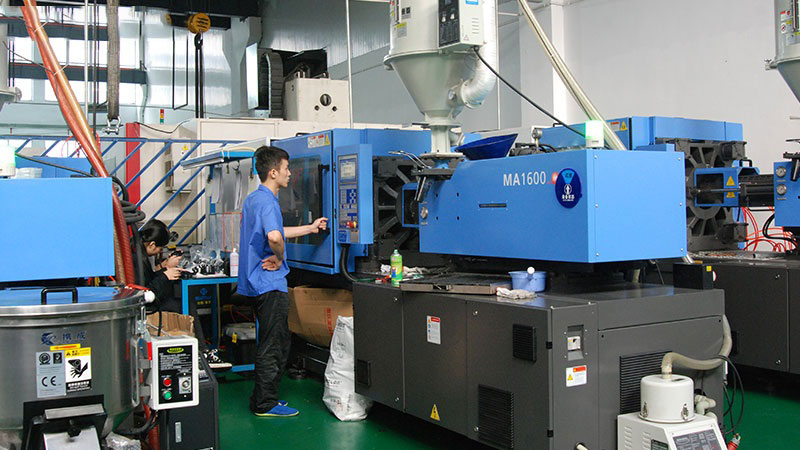
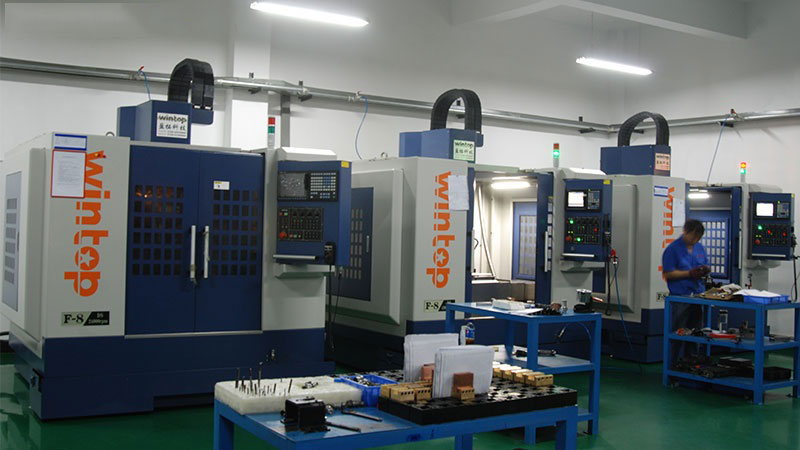
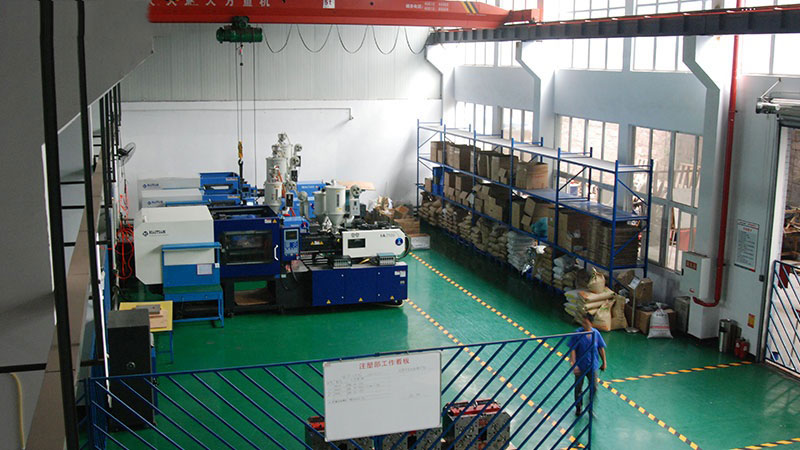
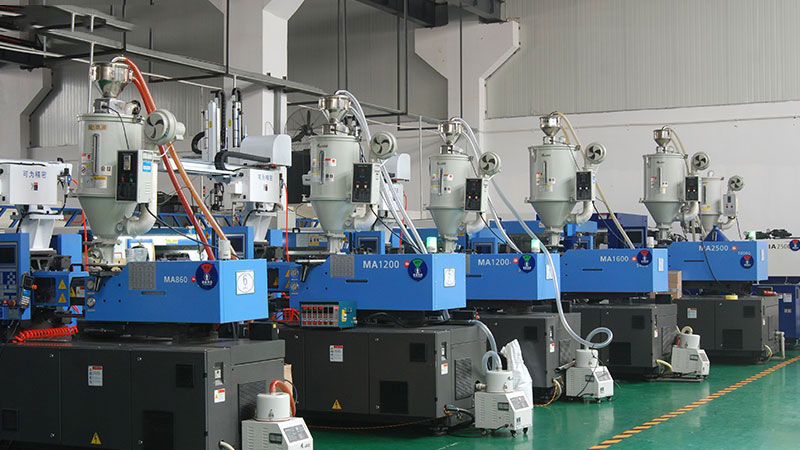
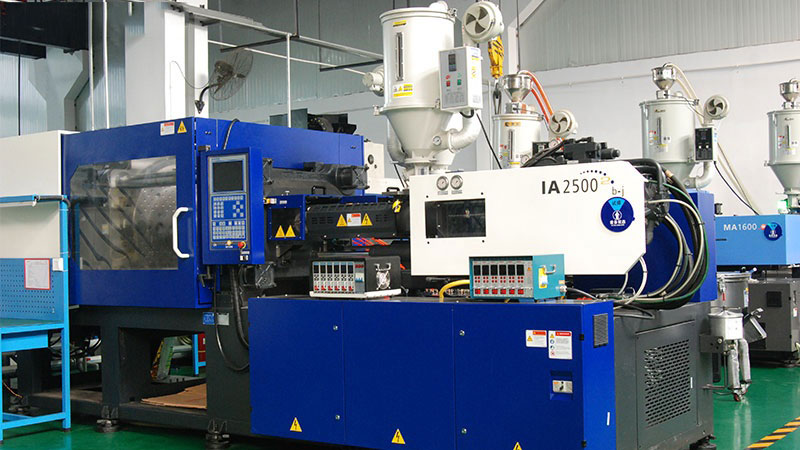
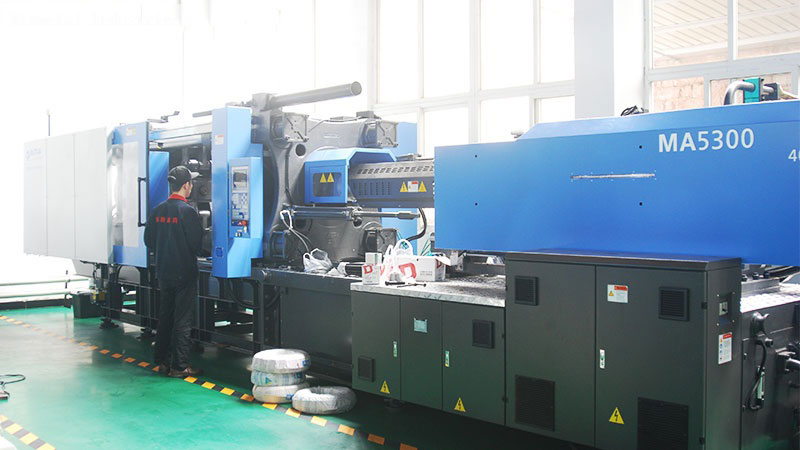
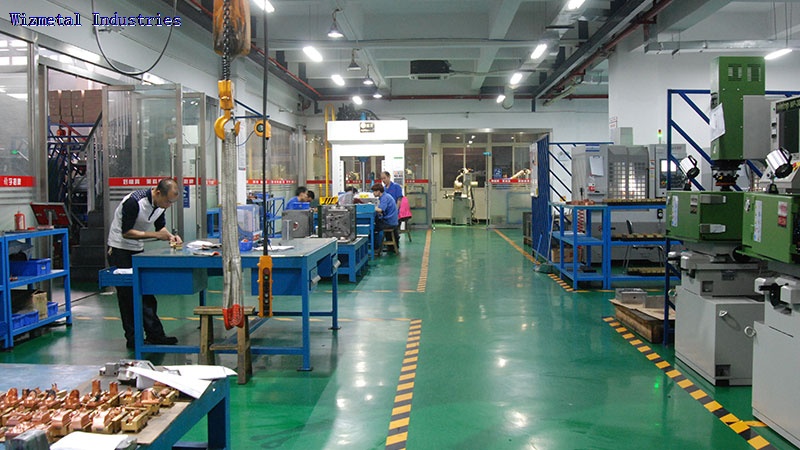
The foundation of a successful import project is thorough supplier verification. Moving beyond basic website checks and Alibaba profiles is non-negotiable. In 2026, due diligence must be multi-layered. Start with a detailed analysis of the **China mold factory**’s technical portfolio. Examine case studies for molds similar to yours in complexity, material, and industry. Request and verify business licenses, and use third-party verification services to confirm factory size, ownership, and export history. Crucially, initiate a video call tour. A reputable supplier will readily conduct a live walkthrough of their facility, showcasing their CNC machining centers, EDM equipment, mold trial presses, and quality control stations. This real-time interaction reveals operational professionalism and transparency far more effectively than staged photos.
Once a potential partner is shortlisted, mastering the technical and commercial discussion is the next critical phase. Your **procurement** success hinges on the clarity and completeness of your Request for Quotation. Provide not just a 3D model, but a comprehensive technical data sheet. This should include the intended plastic material, expected annual volume, part function, cosmetic requirements, and tolerance specifications. Clearly state your expectations for mold life, such as 500,000 or 1 million shots. For 2026, be prepared to discuss sustainability initiatives, such as the factory’s policies on material efficiency and energy consumption. During negotiations, dissect the quotation. Ensure it itemizes costs for mold design, materials, machining, trials, and post-sales support. Understand the payment terms; a common and balanced structure is 50% deposit, 40% upon pre-shipment approval, and 10% after final acceptance. Never choose a supplier solely on the lowest price, as this often correlates with compromised quality or hidden costs.
Implementing rigorous, staged quality control is the single most effective way to prevent costly defects and production delays. Your involvement must be proactive, not reactive. Insist on a defined Quality Control Plan before work begins. Critical checkpoints include a design review meeting, where the mold flow analysis is discussed to predict and solve potential filling or warpage issues. The next vital stage is the First Article Inspection during the initial mold trial. You should receive a detailed trial report with video, photos of shot samples, and dimensional measurement data. For high-value molds, engaging a local third-party inspection agency to witness the final trial and perform an on-site dimensional check is a wise investment. This step in **quality control** provides an objective assessment before the mold leaves the factory. Remember, fixing a problem in China is always faster and cheaper than after it has arrived at your facility.
The final stage, covering logistics and intellectual property protection, solidifies the entire process. Ensure you have a clear agreement on shipping terms. For high-precision tools, sea freight in a dedicated, dehumidified container is often safer and more economical than air freight. Discuss packaging requirements to prevent rust and damage during transit. Regarding Intellectual Property, a robust confidentiality agreement is essential, but it is only the first step. Work with your chosen **plastic mold factory** to implement practical measures. These can include watermarking design files shared for quotation, numbering and registering the mold cavity, and stipulating in the contract that all design data and physical molds must be returned or destroyed after the contract ends. In 2026, reputable factories understand the importance of IP to international clients and will cooperate with these measures.
Building a successful partnership with a Chinese mold manufacturer is a process built on clarity, communication, and verification. By elevating your supplier verification, mastering technical **procurement** discussions, enforcing staged **quality control**, and securing logistics and IP, you transform a transactional purchase into a strategic alliance. The goal for 2026 is to move beyond seeing China as just a source of cheap tooling, and to recognize it as a hub of sophisticated **injection mold** engineering. The right factory partner becomes an extension of your own R&D and production team, driving innovation and efficiency for years to come. Start your next project with these expert solutions, and turn the challenge of overseas sourcing into your competitive advantage.
Work With Us
As a professional China mold manufacturer, we provide one-stop mold solution for overseas buyers.
📞 Phone: +86-18605944639
💬 WhatsApp: +8618605944639
🌐 Website: bestmoldworks.com
📧 Email: [email protected]