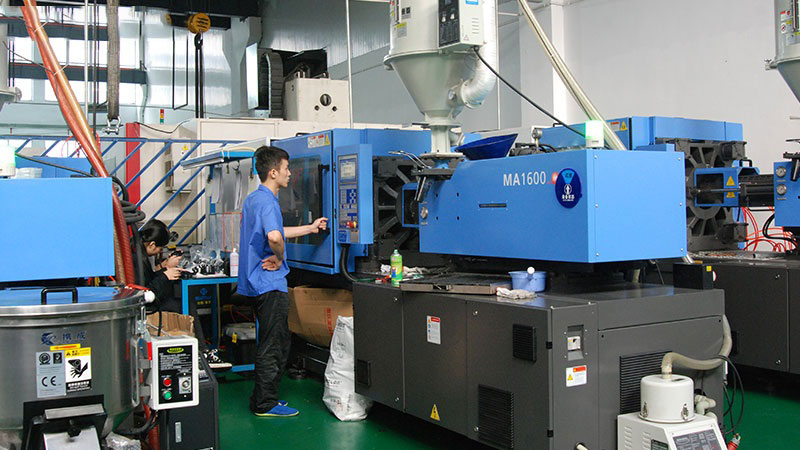
Importing high-quality, cost-effective molds from China remains a strategic advantage for manufacturers worldwide. However, navigating the landscape of China mold factories to procure a perfectly customized injection mold presents distinct challenges, from supplier verification to consistent quality control. This professional buying guide for 2026 cuts through the complexity. We move beyond basic advice to provide a structured, actionable framework—think of it as your essential **mold customization kit** for mind and process—to ensure your next procurement project is a resounding success.
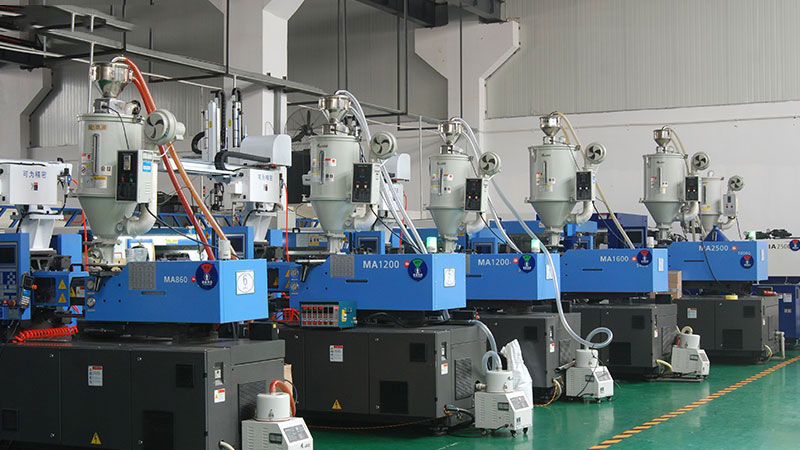
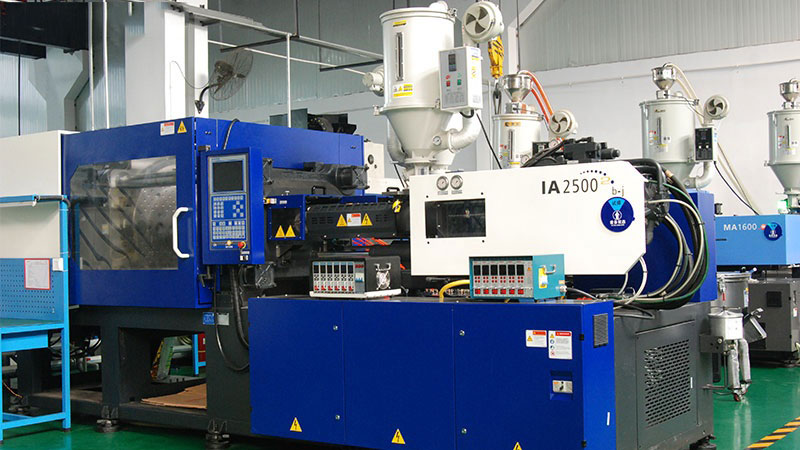
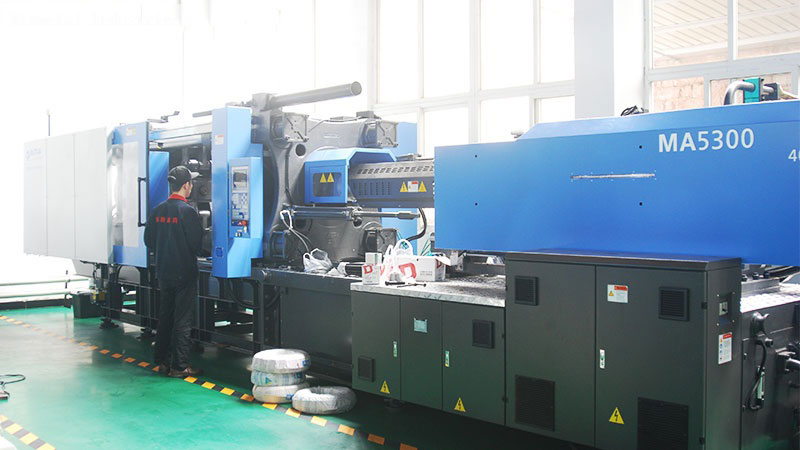
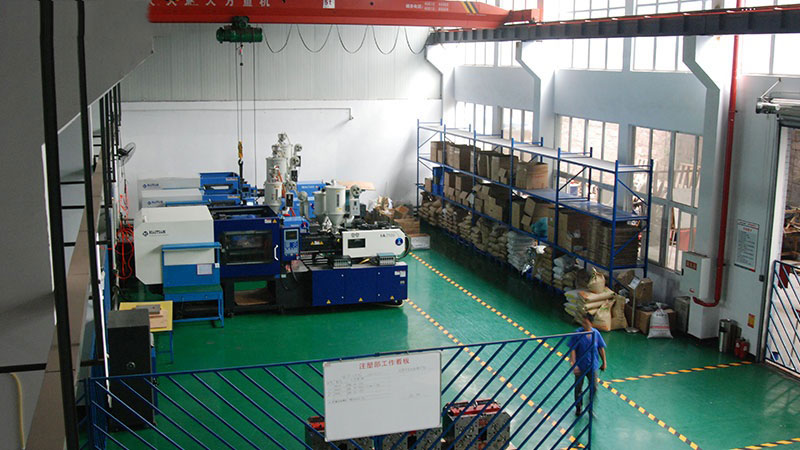
The cornerstone of any successful import project is rigorous supplier verification. In 2026, this goes far beyond checking a factory’s website or Alibaba storefront. Your first actionable step is to conduct a multi-layered due diligence process. Start with a deep dive into the supplier’s technical capabilities: request detailed case studies of past projects similar to your intended injection mold in complexity, material, and industry. Insist on video tours of the production floor, focusing on the maintenance level of CNC, EDM, and CMM machines. Crucially, verify business licenses and, for higher-risk industries, audit reports. Third-party verification platforms can be useful, but direct video calls with the engineering and project management team are irreplaceable. This phase is about building a fact-based profile, separating marketing claims from demonstrable manufacturing competence.
With a shortlist of vetted potential partners, the next critical phase is mastering the technical and commercial dialogue. Your **mold customization kit** is incomplete without a precise Request for Quotation (RFQ). This document must be exhaustive: include fully detailed 3D part designs (STEP or IGES files), material specifications, expected annual volumes, cycle time targets, and cosmetic requirements (e.g., SPI finish standards). Clearly state all expectations for deliverables: number of cavity impressions, hot runner system preferences, spare parts list, and mold base standards (e.g., HASCO, DME). This clarity prevents misunderstandings and allows for accurate, comparable quotations. During negotiations, focus on total cost of ownership, not just the initial mold price. Discuss payment terms (e.g., 50% deposit, 40% after T1 sample approval, 10% after shipment), warranty periods for workmanship, and protocols for handling design changes. A professional China mold factory will welcome this detail as it demonstrates your seriousness and facilitates a smoother project.
The most pivotal stage of your procurement journey is the implementation of proactive, evidence-based quality control. Do not wait for the finished mold to inspect quality; it must be built into the process. Mandate a staged inspection protocol with digital evidence at each milestone. Key checkpoints include: a pre-production meeting to confirm all specifications, a First Article Inspection (FAI) of the mold steel and core/cavity blocks, a T0 trial run (initial mold assembly test), and the critical T1 sample trial with actual production material. For each stage, require high-resolution photos and videos, along with detailed inspection reports like CMM data for critical dimensions. For high-value projects, engaging a local third-party quality inspection firm for an on-site visit during the T1 trial is a highly recommended investment. This hands-on approach to quality control allows for issues to be identified and corrected early, preventing costly delays and rework after shipment.
Successful importation extends beyond the factory gate. A comprehensive logistics and knowledge transfer strategy is your final safeguard. Ensure your Incoterms (e.g., FOB, EXW) are explicitly agreed upon, defining responsibility for costs and risks at every transit point. Discuss mold packaging requirements—robust, waterproof crating with proper internal support is non-negotiable for a precision tool like an injection mold. Equally important is securing all technical documentation: final 2D drawings, maintenance manuals, recommended settings for molding parameters, and a certified material report for the mold steel. This complete documentation package is a vital component of your long-term operational **mold customization kit**, enabling effective maintenance and troubleshooting at your facility. Finally, establish a clear post-sales support agreement covering response times for technical queries and the process for ordering spare components.
Importing a custom mold from China in 2026 demands a disciplined, informed approach. By systematically applying this guide—from multi-faceted supplier verification and precise technical procurement to staged quality control and secured knowledge transfer—you transform a potentially risky venture into a predictable, value-driven process. The goal is to build a partnership with a China mold factory that is based on transparency and shared standards, not just a transactional purchase. Arm yourself with this professional framework, and you will not only secure a high-quality injection mold but also establish a reliable supply chain asset for years to come.
Work With Us
As a professional China mold manufacturer, we provide one-stop mold solution for overseas buyers.
📞 Phone: +86-18605944639
💬 WhatsApp: +8618605944639
🌐 Website: bestmoldworks.com
📧 Email: [email protected]