For overseas buyers, sourcing and importing molds from China represents a significant strategic advantage, offering access to advanced manufacturing capabilities at competitive costs. However, the journey from identifying a potential partner to receiving a flawless injection mold is fraught with complexities. Navigating this landscape requires more than just a simple supplier list; it demands a structured, informed approach to procurement, verification, and quality assurance. This guide provides actionable, professional insights for 2026, designed to help you secure a reliable partnership with a proficient China mold factory and mitigate the common pitfalls of international manufacturing.
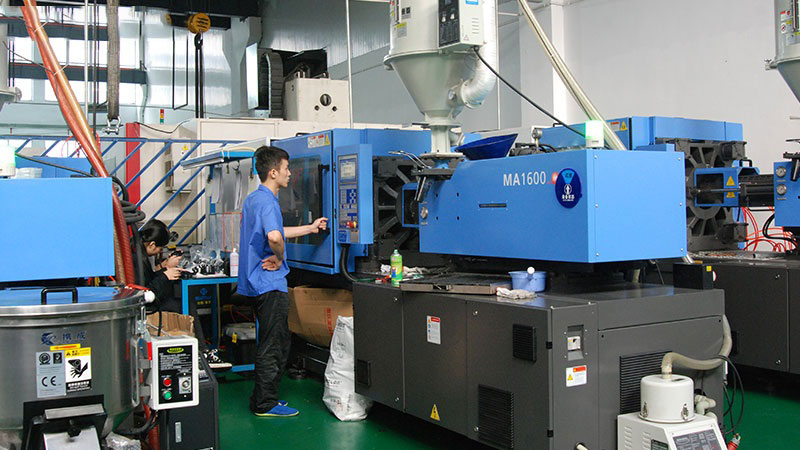
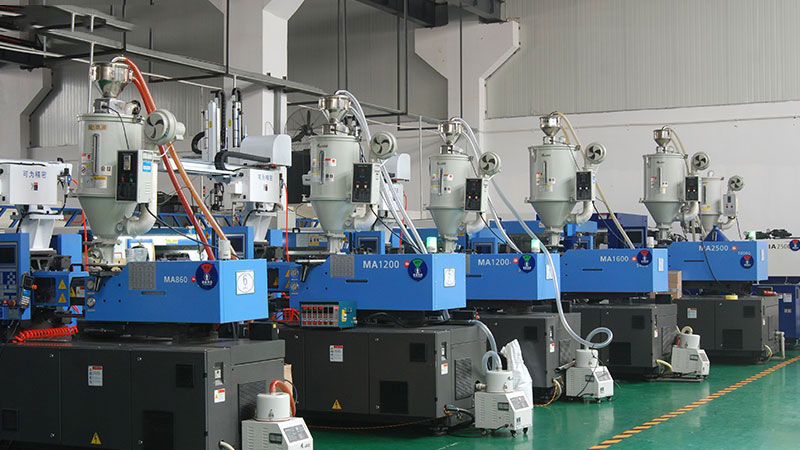
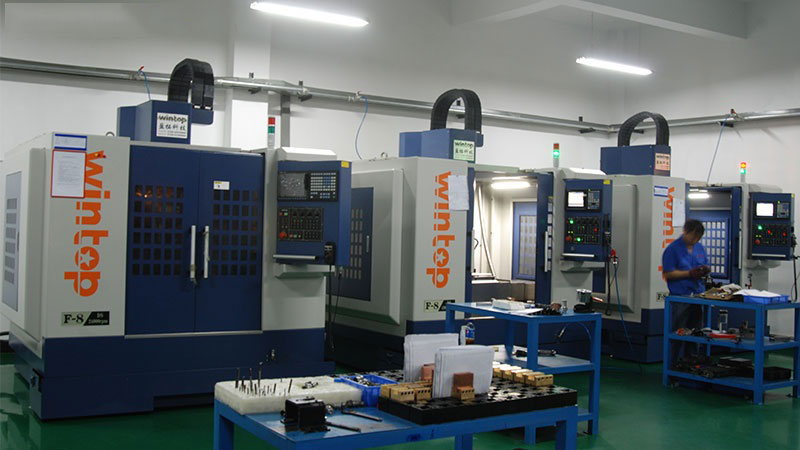
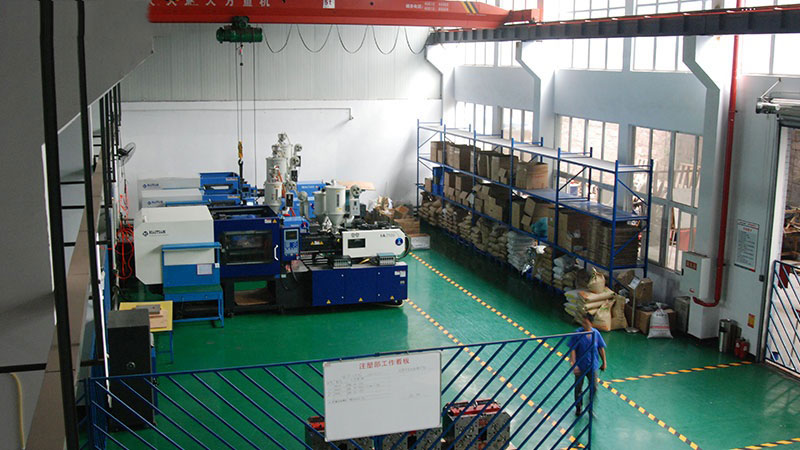
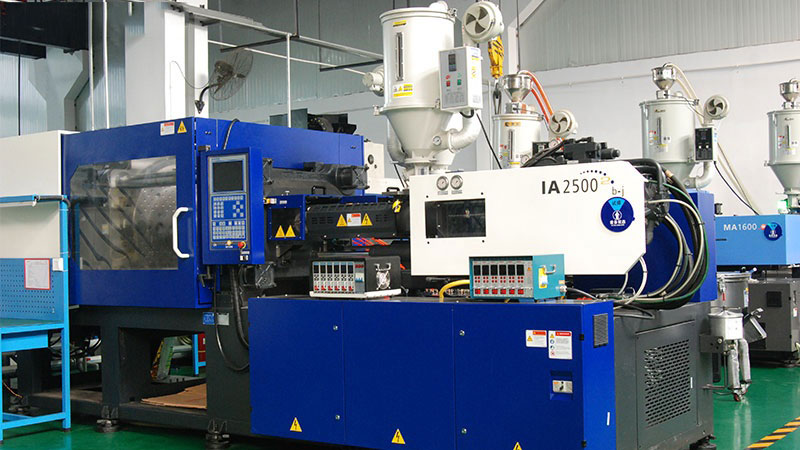
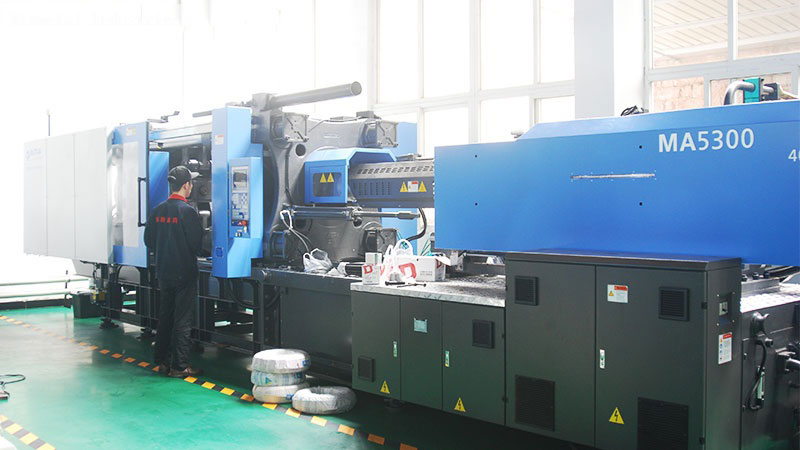
The cornerstone of successful procurement is meticulous supplier verification. In the digital age, a professional website and glossy brochure are merely entry tickets. Deep due diligence is non-negotiable. Begin by verifying the company’s business license and export credentials. Request and scrutinize a detailed portfolio of past projects, specifically looking for experience with products similar to yours in material, complexity, and industry. The most critical step, however, is a virtual or, ideally, in-person factory audit. A reputable China mold supplier will readily facilitate a video tour, showcasing their workshop, machinery (look for modern CNC, EDM, and CMMS equipment), and in-house capabilities. This transparency allows you to assess their technical capacity, workshop organization, and quality culture firsthand, moving beyond sales promises to observable reality.
Once a technically capable partner is identified, the focus must shift to precision in communication and documentation. Ambiguity in design specifications is the primary cause of mold defects, delays, and cost overruns. To solve this, provide your chosen China mold factory with a comprehensive and unambiguous data package. This should include fully detailed 3D CAD files (STEP or IGS), 2D drawings with critical dimensions, tolerances, surface finish requirements (SPI standards), and material specifications for the final plastic part. Clearly outline the expected annual production volume, as this dictates the mold’s steel grade and internal hardening. A professional supplier will engage in a Design for Manufacturability (DFM) review, offering suggestions to improve moldability, reduce cost, and enhance longevity. Treat this collaborative phase as invaluable; a supplier who asks probing questions is demonstrating engagement and expertise.
Proactive quality control, integrated throughout the manufacturing lifecycle, is what separates successful imports from costly failures. Do not adopt a “wait-and-see” approach until the final sample is presented. Instead, insist on defined quality checkpoints at critical stages. Key milestones include a pre-production review of mold flow analysis, inspection of the mold base and core/cavity steel, and first article inspection (FAI) from the initial trial shots. Partner with a third-party quality inspection service familiar with mold and plastic part validation to conduct these inspections if you cannot be present. They can verify dimensions, check for sink marks, warpage, and flash, and assess the ejection and cooling systems’ functionality. This staged QC process ensures issues are identified and corrected early, preventing exponential costs and delays later.
Finally, a holistic view of the partnership extends beyond the unit price of the injection mold. Comprehensive cost and logistics planning are essential for a smooth import process. When comparing quotations, ensure they are like-for-like, covering mold construction, trial sessions, and any required certifications. Clarify payment terms; a standard secure structure might be 30-50% deposit, 40-60% before shipment, with 10% potentially held until sample approval. Discuss intellectual property protection through a formal NNN (Non-Use, Non-Disclosure, Non-Circumvention) agreement. Logistically, understand the Incoterms (e.g., FOB, EXW) being quoted. Factor in shipping, insurance, and import duties into your total landed cost. A reliable partner will assist with export documentation, but understanding the process protects you from unexpected fees and delays at your port.
In conclusion, building a successful supply chain for molds in China is a deliberate process built on verification, clarity, control, and partnership. The market in 2026 rewards buyers who are informed, engaged, and proactive. By rigorously vetting your China mold supplier, enforcing precise technical communication, implementing staged quality control protocols, and planning for the full logistical journey, you transform the inherent challenges of overseas procurement into a reliable competitive edge. The goal is not merely to purchase a tool but to establish a collaborative relationship with a China mold factory that delivers consistent quality, fosters innovation, and supports your product’s success for years to come.
Work With Us
As a professional China mold manufacturer, we provide one-stop mold solution for overseas buyers.
📞 Phone: +86-18605944639
💬 WhatsApp: +8618605944639
🌐 Website: bestmoldworks.com
📧 Email: [email protected]