Category: Custom molds for resin

  • injection molding factory near me: Expert Tips & Soluti 2026

    For overseas buyers and procurement specialists, the search for an “injection molding factory near me” often concludes with a strategic pivot towards global manufacturing hubs. While local sourcing offers certain logistical benefits, China remains the unparalleled epicenter for cost-effective, high-quality, and scalable injection mold and part production. However, navigating this vast market requires more than just a simple supplier directory search. As we move into 2026, the landscape is defined by smarter procurement, advanced verification, and seamless remote collaboration. This guide provides actionable, professional solutions to help you secure a reliable China mold factory partnership, transforming geographical distance into a competitive advantage.

    The core challenge has evolved. It is no longer about finding *any* injection molding factory in China, but about identifying and vetting the *right* one for your specific project needs. The risks of poor communication, substandard quality, and hidden costs are real, but they are entirely manageable with a structured approach. Success in 2026 hinges on a buyer’s ability to conduct thorough supplier verification and establish iron-clad quality control protocols from the outset. The following solutions are designed to address the real pain points of overseas procurement, ensuring your journey to import molds from China is efficient, predictable, and successful.

    **Solution 1: Redefine “Near Me” with Digital Proximity and Specialized Hubs**

    Your first step is to abandon the literal geographic meaning of “near me” and embrace the concept of digital and logistical proximity. Instead of searching broadly, target China’s established industrial clusters. Regions like Dongguan in Guangdong for electronics molds, Ningbo in Zhejiang for precision and automotive molds, or Huangyan in Zhejiang for plastic household items are specialized hubs. Concentrating your search here gives you access to dense ecosystems of suppliers, raw material vendors, and skilled labor. To bridge the physical gap, prioritize factories that have invested in digital infrastructure. A supplier with a comprehensive digital footprint—detailed website, active professional B2B profiles, virtual factory tour capabilities, and responsive communication channels (like WhatsApp or WeChat)—is effectively “closer” than a local factory with poor communication. This digital transparency is your new baseline for proximity in 2026.

    **Solution 2: Implement a Multi-Layer Supplier Verification Process**

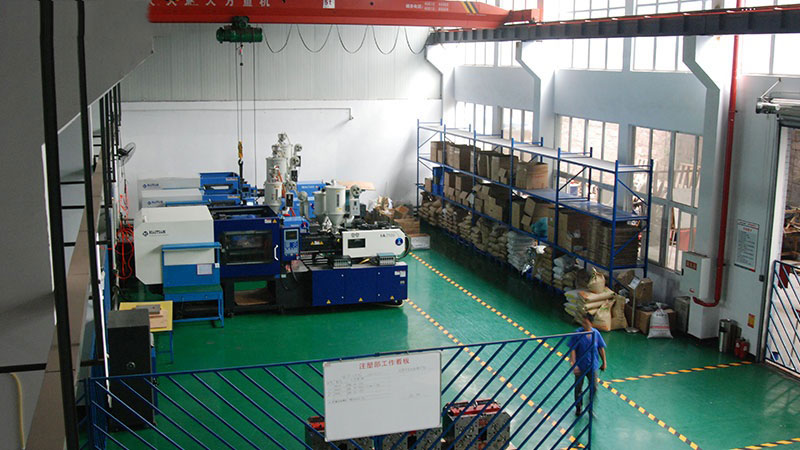
    Supplier verification is the single most critical step in your procurement journey. Moving beyond a simple website check or Alibaba transaction history is non-negotiable. Develop a layered verification protocol. Start with business legitimacy: verify official business licenses, export records, and VAT taxpayer status. The next layer involves technical capability assessment. Demand to see a portfolio of past work, specifically for projects similar in complexity, material, and industry to yours. Request detailed case studies. The third, and most crucial layer, is the factory audit. While traveling to China is ideal, a comprehensive remote audit is a powerful 2026 solution. Require a live-streamed video walkthrough of the facility. Focus on the mold workshop (CNC, EDM, wire-cutting machines), the injection molding production floor (brand and condition of machines), and the quality control area. Ask to see calibration certificates for measuring equipment. Speaking directly to the project manager and lead engineer during this tour provides invaluable insight into their expertise and communication style.

    **Solution 3: Master the Technical Dialogue and DFM Partnership**

    A reliable China mold factory should function as a design and engineering partner, not just a order-taker. Your ability to engage in a detailed technical dialogue is paramount. Provide not just a 3D model, but a comprehensive technical data package including intended material, expected annual volumes, cosmetic requirements (e.g., SPI finish standards), and critical tolerances. The factory’s response will be telling. Expect and require a formal Design for Manufacturability (DFM) report. A professional supplier will analyze your part design, suggest modifications to improve moldability, reduce cost, and enhance durability, and propose a detailed mold flow analysis. Their feedback on gate location, wall thickness uniformity, and ejection strategy demonstrates their engineering prowess. Partnering with a factory that proactively engages in this dialogue prevents costly revisions and production issues later, solving a fundamental problem before it arises.

    **Solution 4: Establish Crystalline Quality Control Protocols and Milestone Payments**

    Quality control cannot be an afterthought; it must be contractually embedded into the project timeline. Define all critical quality standards upfront with your injection mold supplier. This includes mold steel grade and hardness certification (e.g., using genuine 718H or S136 steel), cavity polish standards, and part quality acceptance criteria (often based on ISO 20457 or customer-provided GD&T drawings). Insist on a staged payment plan linked to tangible milestones and deliverables. A standard structure could be: 30% upon order, 40% upon approval of T1 sample parts and full mold inspection report, and 30% upon final shipment. For the T1 samples, require a First Article Inspection (FAI) report with full dimensional data, CMM reports, and material certification. For ongoing production, agree on a Quality Inspection Plan (QIP) that may include periodic inspections by a trusted third-party inspection service based in China. This financially incentivizes the factory to meet quality benchmarks at every step.

    **Solution 5: Plan for the Total Cost of Ownership and Long-Term Partnership**

    The lowest mold price can often lead to the highest total cost. Professional procurement in 2026 looks at the Total Cost of Ownership (TCO). This includes the initial mold cost, the piece-part price, costs for mold maintenance and repair, and logistical expenses. Discuss post-sales support explicitly. Will the factory store your mold? What are their charges for mold modification? What is their policy on repairing wear and tear? Establishing a clear understanding of these factors prevents unexpected costs and builds the foundation for a long-term partnership. View your chosen injection molding factory not as a one-time vendor, but as a strategic extension of your manufacturing capability. A trustworthy partner will be transparent about capacity, lead times, and will work with you to plan for future product iterations or scaling production.

    Conclusion

    The quest for an “injection molding factory near me” is, for the savvy overseas buyer, ultimately a quest for reliability, quality, and value—goals that are abundantly achievable in China with the right methodology. As outlined for 2026, the solution lies in a disciplined, technology-enabled approach: targeting specialized clusters, executing rigorous multi-layer supplier verification, engaging in deep technical collaboration, enforcing structured quality control with milestone payments, and evaluating the total cost of partnership. By implementing these expert tips, you transform the complexities of international procurement into a streamlined, controlled, and highly advantageous process. The optimal injection molding factory for your needs may not be geographically nearby, but through professional diligence, it can become your most dependable and

    Work With Us

    As a professional China mold manufacturer, we provide one-stop mold solution for overseas buyers.
    📞 Phone: +86-18605944639
    💬 WhatsApp: +8618605944639
    🌐 Website: bestmoldworks.com
    📧 Email: [email protected]
  • injection moulding factory near me: Best Suppliers & 2026

    For overseas buyers, the search for an “injection moulding factory near me” often evolves into a global quest for the optimal combination of quality, cost, and capability. While local sourcing offers logistical ease, China remains the undisputed epicenter for mold manufacturing and injection molding services, offering unparalleled expertise and economies of scale. However, navigating this vast market requires a strategic approach to move beyond simple supplier lists and build profitable, long-term partnerships. This guide for 2026 focuses on actionable strategies to identify, verify, and collaborate with top-tier Chinese mold factories, transforming geographical distance into a competitive advantage.

    The foundational step in your procurement journey is redefining what “near me” means in a global context. It is no longer purely about physical proximity but about operational closeness—finding a China mold factory that acts as a seamless extension of your own operations. This begins with precise internal specifications. Before contacting any supplier, invest time in creating comprehensive documentation: detailed 3D CAD files, material specifications (including resin grade and color), expected annual volumes, tolerance requirements, and surface finish standards. This clarity not only accelerates the quoting process but immediately filters out suppliers incapable of meeting your technical demands. It positions you as a knowledgeable buyer and sets the stage for accurate communication, reducing the risk of costly misunderstandings once tooling begins.

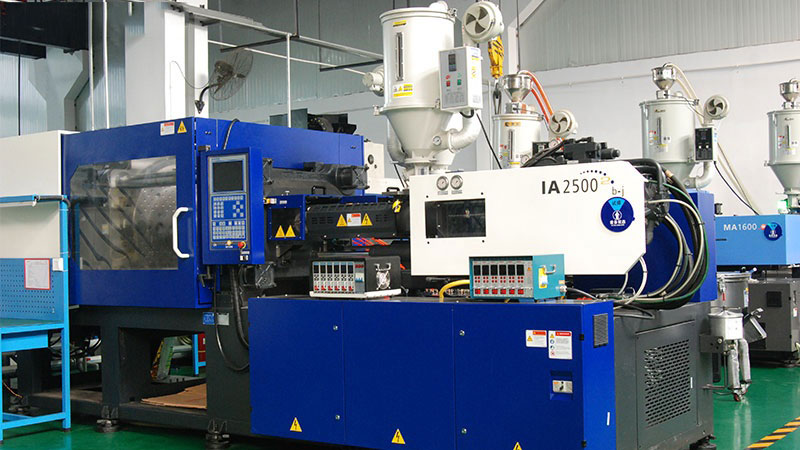
    With specifications in hand, the critical phase of supplier verification commences. In 2026, due diligence must extend far beyond a factory’s website or Alibaba storefront. Start by leveraging professional platforms like Made-in-China.com or Global Sources, but use them as a starting point for deeper investigation. The cornerstone of verification is the factory audit. While a personal visit is ideal, comprehensive remote audits are now a standard and effective practice. Insist on a live video tour of the production floor, not a pre-recorded video. Focus on their mold maintenance area, injection molding machines (note brands and tonnage), quality control stations, and their tooling workshop. Request to see examples of molds and finished parts for overseas clients in your industry. Furthermore, ask for and independently contact 2-3 international references. A reliable injection mold supplier will provide these willingly. Verify business licenses and export credentials to ensure you are dealing with a legitimate entity, not a trading company misrepresenting itself as a factory.

    Once a potential partner passes initial verification, your focus must shift to formalizing agreements that protect your intellectual property and financial investment. A professional China mold factory will expect and respect this. Never proceed on a verbal agreement or a simple Proforma Invoice (PI) alone. A detailed manufacturing contract is non-negotiable. This contract should explicitly cover: total project cost (separating mold cost from part price), a staged payment schedule (e.g., 30% deposit, 40% after T1 sample approval, 30% before shipment), ownership of the mold design and physical tool, confidentiality clauses (NDA), and warranty terms for both the mold and the production parts. Clearly define the sample approval process: how many T1 samples will be provided, the method for measuring and reporting on them, and the protocol for implementing engineering changes. This contractual rigor is your primary safeguard and ensures both parties share a common understanding of project deliverables.

    The true measure of a supplier’s capability is their commitment to proactive quality control and communication. The best injection moulding factory near me, metaphorically speaking, is one that communicates as if they are just next door. Establish clear communication protocols from the outset. Who is your single point of contact (Project Manager)? What tools will be used (email, WhatsApp, WeChat, weekly video calls)? Demand transparency throughout the mold manufacturing process. A professional supplier will provide regular updates, including design review feedback, photos of key machining stages (e.g., EDM, polishing, assembly), and videos of the first shot trials. For quality control, insist on a First Article Inspection (FAI) report and a Dimension Control Report (DCR) for the T1 samples. For production runs, define the AQL (Acceptable Quality Level) sampling standards. Consider engaging a third-party inspection service in China for pre-shipment inspections, especially for initial orders. This layered QC approach mitigates risk and prevents defective goods from ever leaving the factory.

    Finally, view your chosen supplier as a strategic partner, not just a transactional vendor. The most successful long-term import relationships are built on collaboration and mutual growth. Be clear about your forecasts and future plans. A good China mold factory can offer valuable Design for Manufacturability (DFM) feedback to optimize your part for cost-effective production and durability. Discuss their capacity for scaling production and their flexibility for handling rush orders or engineering revisions. Building this relationship requires fairness and prompt communication on your end as well—paying invoices on time and providing clear feedback fosters trust. This partnership mindset transforms your supplier into a reliable asset, ensuring they are invested in your product’s success for 2026 and beyond.

    In conclusion, finding the best injection molding factory for your needs in 2026 is a deliberate process that prioritizes strategic verification and structured collaboration over mere geographical search. By meticulously defining your requirements, conducting thorough remote audits, enforcing robust contracts, implementing rigorous quality control, and fostering a partnership ethos, you effectively bridge the physical distance. The goal is to create a supply chain where your chosen Chinese injection mold supplier feels like a dependable, high-performance extension of your own team. This disciplined approach to procurement is what will secure not just a supplier for a single order, but a manufacturing partner capable of delivering quality, value, and reliability throughout the coming years.

    Work With Us

    As a professional China mold manufacturer, we provide one-stop mold solution for overseas buyers.
    📞 Phone: +86-18605944639
    💬 WhatsApp: +8618605944639
    🌐 Website: bestmoldworks.com
    📧 Email: [email protected]
  • injection molding Manufacturerturer in China: Complete 2026

    For global businesses, sourcing injection molds from China remains a strategic move to achieve significant cost savings, access advanced manufacturing capabilities, and accelerate product development. However, the landscape is evolving rapidly. As we look toward 2026, the process demands more sophistication than simply finding the lowest quote online. This guide provides a complete, actionable framework for overseas buyers to successfully navigate the complexities of partnering with an injection molding manufacturer in China, ensuring quality, reliability, and a strong return on investment.

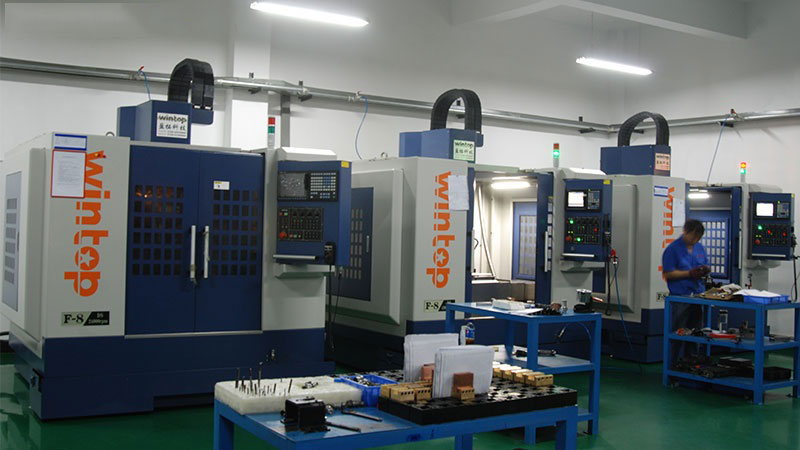
    The foundation of a successful import project lies in meticulous supplier verification. Moving beyond Alibaba listings is crucial. Start by defining your project’s precise requirements: material specifications, expected annual volumes, tolerance levels, and surface finish needs. Use this criteria to shortlist potential partners. A genuine injection molding manufacturer in China will have a verifiable business license (check via platforms like Tianyancha), a professional website showcasing their machinery (look for specific models of injection molding machines and CNC equipment), and a portfolio of projects for international clients. Request detailed case studies similar to your product. Insist on a video conference to tour their facility virtually; a reputable China mold factory will readily agree. This step filters out trading companies and uncovers true manufacturing partners with in-house mold making and production capabilities.

    Once a potential partner is identified, the focus shifts to technical and commercial clarity. The quotation stage is a critical test of a supplier’s professionalism. Be wary of suspiciously low bids, as they often signal corner-cutting on steel quality, component standards, or engineering expertise. Demand a detailed breakdown that includes mold steel grade (e.g., P20, H13, S136), cavity and core material, lifecycle expectations, and a clear description of the mold trial process. Discuss part design upfront; a competent manufacturer will offer Design for Manufacturability (DFM) analysis to optimize your design for the injection molding process, potentially reducing cost and improving quality. Clearly outline payment terms, with milestones linked to key deliverables like design approval, first article inspection, and pre-shipment inspection. A transparent and technically sound proposal at this stage is a strong indicator of a reliable partnership.

    Proactive quality control integrated throughout the manufacturing cycle is non-negotiable. Do not treat QC as a final checkpoint before shipment. Establish a protocol that includes in-process inspections. Your chosen injection mold supplier should provide regular updates with photos and videos during key stages: material procurement, CNC machining, EDM (electrical discharge machining) texturing, and assembly. The First Article Inspection (FAI) report from the initial mold trial is a vital document. It should include comprehensive dimensional measurement data against your CAD drawings, CMM reports, and samples from the trial run. For critical projects, consider engaging a trusted third-party inspection service in China to conduct an on-site Pre-Shipment Inspection (PSI) when the mold is complete and sample parts are produced. This layered approach to quality control mitigates risk and prevents costly surprises upon receipt.

    Effective communication and logistics planning are the final pillars for a smooth import process. Clearly define points of contact for technical and commercial discussions to avoid confusion. Use detailed 2D drawings and 3D CAD files (STEP or IGS formats) as the single source of truth, with all revisions documented and version-controlled. Discuss packaging requirements explicitly; injection molds are high-precision, heavy tools that require robust, wooden crate packaging for international freight. Understand the Incoterms 2020 you agree upon; FOB (Free On Board) is common, but clarify responsibilities for inland freight, port fees, and documentation. Ensure all necessary export documents from China, such as the commercial invoice, packing list, and bill of lading, are prepared accurately to avoid customs clearance delays in your country. Proactive planning in this phase ensures your investment arrives safely and on schedule.

    As the global manufacturing ecosystem advances, the most successful procurement strategies will leverage technology and build relationships. Looking ahead to 2026, forward-thinking buyers are exploring digital integration with their Chinese manufacturers. This includes using cloud-based platforms for real-time project tracking and communication. Furthermore, view your supplier not as a transactional vendor but as a long-term technical partner. A collaborative relationship with a proficient China mold factory can yield continuous improvements, cost reductions over time, and invaluable support for future product iterations. The goal is to build a supply chain that is not only cost-effective but also resilient, transparent, and capable of scaling with your business growth.

    In conclusion, importing injection molds from China in 2026 requires a disciplined, informed approach that prioritizes verification, technical collaboration, and embedded quality control. The competitive advantage is no longer found in the lowest price alone, but in the ability to identify and partner with a technically capable and transparent injection molding manufacturer in China. By implementing the actionable steps outlined in this guide—from rigorous supplier vetting and clear technical communication to staged inspections and strategic logistics—overseas buyers can confidently navigate the market. This methodology transforms the procurement process from a potential risk into a reliable driver of innovation and competitive edge for your business.

    Work With Us

    As a professional China mold manufacturer, we provide one-stop mold solution for overseas buyers.
    📞 Phone: +86-18605944639
    💬 WhatsApp: +8618605944639
    🌐 Website: bestmoldworks.com
    📧 Email: [email protected]
  • how to make custom molding: Expert Tips & Solutions 2026

    For overseas businesses, mastering how to make custom molding through Chinese manufacturing is a powerful strategy for innovation and cost efficiency. However, the path from concept to a perfect, shipped mold is fraught with potential pitfalls in communication, quality, and logistics. This guide, updated for 2026, cuts through the complexity. We provide expert, actionable solutions to the real problems importers face, ensuring your procurement journey is smooth, predictable, and successful. The goal is not just to find a vendor, but to build a partnership with a China mold factory that delivers precision, reliability, and value.

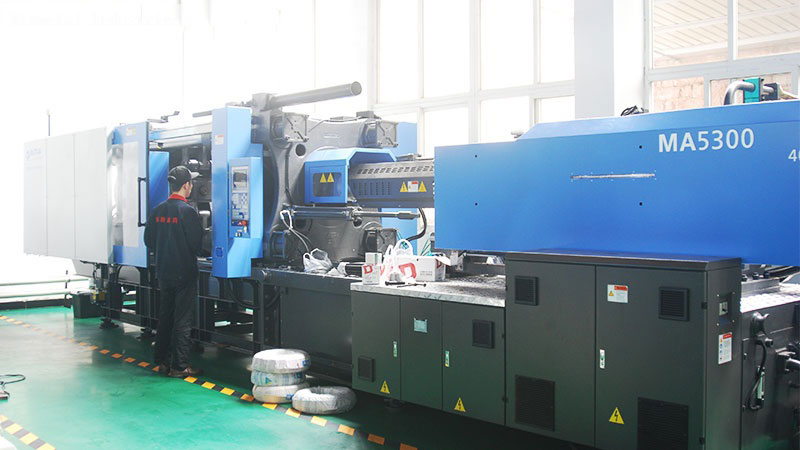
    The cornerstone of a successful project is selecting and verifying the right partner. The term “China mold factory” encompasses a vast spectrum, from rudimentary workshops to world-class facilities. Your first critical task is supplier verification. Move beyond Alibaba storefronts. Demand a virtual tour via video call to inspect machinery (look for Swiss or Japanese CNC, EDM), workshop organization, and cleanliness. Scrutinize their portfolio for projects of similar complexity and material to yours. Insist on contacting at least two previous overseas clients. In 2026, legitimate factories expect and facilitate this due diligence. Furthermore, verify business licenses and export records. This upfront investment in verification filters out intermediaries and unqualified shops, aligning you with a partner capable of executing your specific vision for custom molding.

    Once a partner is shortlisted, precision in the technical handoff becomes paramount. The most common point of failure is an ambiguous or incomplete design package. To make custom molding efficient, provide a comprehensive data package: fully detailed 3D CAD files (STEP or IGS), 2D drawings with critical dimensions, tolerances (Geometric Dimensioning and Tolerancing is preferred), surface finish specifications (SPI standards), and material grade requirements. For injection molds, include gate type and location preferences, cooling channel layout, and ejection strategy. Create a one-page Product Specification Summary that clearly states part function, critical areas, and non-critical areas. This document becomes the universal reference, minimizing back-and-forth and ensuring the mold maker understands your priorities, not just your geometry.

    Proactive quality control, integrated from the start, is your financial safeguard. Agree on a staged inspection and payment plan before work begins. A standard milestone structure could be: 30% deposit, 40% upon approval of mold flow analysis and T1 sample, and 30% after final sample approval and pre-shipment inspection. For the T1 sample, do not accept rushed, off-machine parts. Require sampled parts that have been properly cooled and trimmed. Use coordinate measuring machine (CMM) reports on the first articles to validate dimensions against your drawings. For injection mold projects, a Digital Copy of the mold flow analysis report should be mandatory; it predicts filling issues, weld lines, and sink marks before steel is cut. Consider hiring a local third-party quality inspection firm for the Final Random Inspection (FRI) before shipment. This objective audit of the mold’s workmanship and sample part quality is invaluable.

    Navigating logistics and fostering a sustainable partnership are the final steps to long-term success. Understand Incoterms clearly; FOB Shenzhen is common, but you must account for shipping, insurance, and import duties on your end. Ensure all documentation—commercial invoice, packing list, and certificate of origin—is accurate and matches the shipment. For the mold itself, require proper preservation: anti-rust treatment, protective packaging, and full cavity support to prevent damage in transit. Beyond the single project, view your chosen supplier as a strategic asset. Provide constructive feedback on T1 samples. Discuss future projects and potential for mold maintenance and modification. A transparent, respectful relationship encourages better service, priority scheduling, and continuous improvement, turning a one-time procurement into a lasting competitive advantage.

    Ultimately, the process of how to make custom molding in China is a disciplined blend of rigorous partner selection, technical clarity, and embedded quality assurance. By implementing these 2026 solutions—from deep-dive supplier verification to staged QC milestones—you transform the inherent risks of overseas procurement into a controlled, predictable engineering partnership. The Chinese mold making industry continues to advance, and by approaching it with a professional, systematic framework, you secure not just a tool, but a source of high-quality components that can drive your product’s success for years to come. Start with verification, communicate with precision, control quality at every stage, and build a relationship that extends far beyond a single purchase order.

    Work With Us

    As a professional China mold manufacturer, we provide one-stop mold solution for overseas buyers.
    📞 Phone: +86-18605944639
    💬 WhatsApp: +8618605944639
    🌐 Website: bestmoldworks.com
    📧 Email: [email protected]
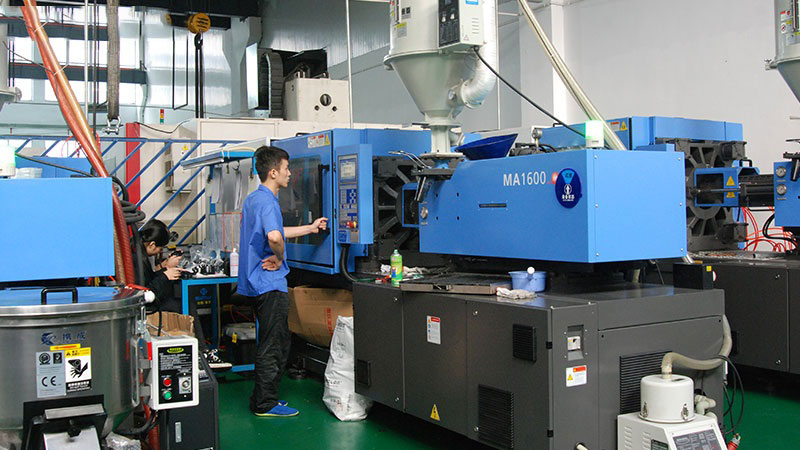
  • custom mold: Reliable Manufacturers Guide 2026 | China Mold Factory

    For overseas buyers, sourcing a custom mold from China represents a significant opportunity to achieve cost efficiency without sacrificing capability. The Chinese manufacturing ecosystem offers unparalleled expertise in tooling, from simple injection molds to highly complex multi-cavity systems. However, the distance, cultural differences, and sheer number of potential suppliers can turn procurement into a daunting challenge. This guide is designed to cut through the noise, providing a professional, actionable framework for identifying and partnering with a reliable China mold factory in 2026. Our focus is on solving real problems you face in verification, communication, and quality assurance, ensuring your investment in a custom mold delivers the intended value and performance.

    The foundation of a successful import project is rigorous supplier verification. Moving beyond a basic website check or Alibaba storefront is non-negotiable. In 2026, due diligence must be multi-faceted. Start by verifying business licenses through official Chinese platforms and cross-referencing the company’s registered capital and years in operation. Request a detailed company profile that lists their core competencies—specifically, what types of molds they specialize in, such as large-tonnage injection molds, precision medical components, or high-volume consumer goods. Crucially, insist on a virtual or recorded factory tour. A legitimate China mold factory will readily showcase their workshop, revealing the level of machinery (e.g., German or Japanese CNC, EDM, CMM), shop floor organization, and in-house engineering capability. This step alone filters out trading companies masquerading as manufacturers and reveals the true operational scale.

    Once a shortlist of potential partners is established, mastering the technical and commercial quotation process is your next critical step. A professional manufacturer will not provide a meaningful quote from a simple 3D file alone. They will require a comprehensive mold design review and a detailed Request for Quotation (RFQ) packet. Your RFQ should specify material (e.g., P20, H13, Stainless 420), cavity life expectancy (number of shots), part volume, surface finish requirements (SPI standards), and tolerance levels. Be wary of quotes that are significantly lower than the market average; this often indicates corner-cutting on steel quality, simplified cooling systems, or a lack of essential features like wear plates and interlocks. A reliable partner will ask clarifying questions about gate location, ejection, and cooling strategy, demonstrating their engineering investment in your project’s success. Transparently discuss payment terms—standard milestones like 30% deposit, 40% after T1 sample approval, and 30% before shipment are common—and ensure they align with your procurement protocols.

    The most pivotal phase of custom mold manufacturing is proactive quality control, which must be integrated from the very first article. Do not wait until the final inspection to engage. Agree on a staged inspection protocol with your supplier. This typically includes a mold design review meeting, raw material certification for the mold steel, and critical first-off part (T1) sampling. For the T1 sample, the China mold factory should provide a detailed inspection report including CMM data, shrinkage analysis, and photos of the parts alongside the mold. For high-value or complex projects, engaging a local third-party quality control firm for an Initial Sample Inspection (ISI) is a highly recommended investment. These inspectors can verify dimensions, test assembly, and assess mold build quality on-site. Furthermore, insist on a comprehensive mold trial report with process parameters documented, which is invaluable for replicating quality when the tool is transferred to your production facility.

    Clear, continuous communication and a well-defined project management framework are the glue that holds the international procurement process together. Establish a single point of contact on both sides who possesses both technical and linguistic proficiency. Utilize collaborative tools like shared cloud folders for drawings, weekly video conference calls with screen-sharing to review progress, and a simple but formalized change order process. Discuss and document every aspect of logistics and post-sales support upfront. Key questions include: Who is responsible for export packaging and fumigation? What are the incoterms? What is the protocol for handling minor wear-and-tear issues or damage during shipping? A professional supplier will offer a clear warranty period (typically 12-24 months against manufacturing defects) and provide essential deliverables like 2D drawings, 3D files of the final mold, and a maintenance manual. This level of organization transforms a transactional purchase into a strategic partnership.

    In conclusion, importing a high-quality custom mold from China in 2026 is a highly achievable goal for overseas buyers who adopt a structured, diligent approach. The journey from concept to a durable, precision tool in your possession hinges on moving beyond price as the sole criterion. By implementing rigorous supplier verification, demanding technical collaboration during quoting, insisting on staged quality control, and enforcing disciplined communication, you mitigate the inherent risks of offshore procurement. The ideal China mold factory is not just a vendor but a technical partner invested in your product’s success. By applying this guide, you position yourself to tap into China’s advanced manufacturing capabilities, securing a custom mold that delivers reliability, performance, and exceptional value for years to come, making your procurement process a definitive competitive advantage.

    Work With Us

    As a professional China mold manufacturer, we provide one-stop mold solution for overseas buyers.
    📞 Phone: +86-18605944639
    💬 WhatsApp: +8618605944639
    🌐 Website: bestmoldworks.com
    📧 Email: [email protected]

  • Custom molds for candles: Reliable Manufacturers Guide 2026

    For overseas buyers, the allure of sourcing custom molds for candles from China is clear: unparalleled cost efficiency, extensive manufacturing expertise, and the flexibility to bring truly unique designs to life. However, the path to a successful partnership can be fraught with challenges, from verifying a supplier’s credibility to ensuring the final product meets exact specifications. This guide is designed to cut through the noise and provide a clear, actionable roadmap for 2026, empowering you to navigate the procurement process with confidence and secure a reliable China mold factory partner.

    The cornerstone of any successful import project is thorough supplier verification. In 2026, due diligence goes beyond a simple website check. Start by leveraging B2B platforms but use them as a starting point for deeper investigation. A professional supplier will readily provide their business license (look for registered capital and scope of business), factory registration, and, ideally, ISO certification relevant to manufacturing. The next critical step is a virtual factory audit. Request a live video tour of the production floor, not just a curated showroom. Pay close attention to their machinery—modern CNC and EDM equipment are essential for precision—and their in-house capabilities. Do they handle the entire injection mold process, from design to polishing, or do they outsource key stages? This impacts both quality control and lead times. Finally, request and meticulously contact at least three references from past international clients, specifically those who ordered custom molds for candles. Direct feedback on communication, problem-solving, and after-sales support is invaluable.

    Once a potential partner is vetted, mastering the technical and commercial discussion is paramount. A professional China mold factory will expect detailed specifications. Prepare comprehensive documentation including 3D CAD files (STEP or IGS formats are standard), 2D drawings with critical tolerances, and a clear list of requirements for mold material (such as pre-hardened steel or stainless steel for durability), cavity number, and expected production volume. For candle molds, specifically discuss surface finish requirements—a high-polish cavity is often necessary for a flawless candle release and finish. Be explicit about your quality control expectations during this phase. Agree on a Quality Inspection Plan before production begins. This should mandate a First Article Inspection Report with dimensional checks and material certificates, and the provision of sample shots from the finished mold for your approval before shipment. Clearly outline payment terms; a secure staggered structure like 30-50% deposit, 40-60% after sample approval, and 10% balance before shipping is industry-standard and protects both parties.

    Understanding the manufacturing journey, particularly the injection mold process, equips you to manage timelines and quality proactively. After design finalization, the factory will proceed with machining the mold base, CNC milling the cavity and core, and applying electrical discharge machining for fine details. Following assembly and polishing, a crucial trial phase begins. The T1 trial is the first test shot, often using a material similar to your wax. This stage is for identifying and correcting flow issues, sink marks, or ejection problems. Expect at least one round of revisions. Do not rush this phase. Insist on receiving physical T1 samples for hands-on evaluation. Test them with your actual wax blend to check for shrinkage, detail replication, and ease of demolding. A reliable manufacturer will transparently document all trial results and adjustments. This collaborative troubleshooting is where a true partnership forms and ensures the final tool produces perfect candles consistently.

    Finalizing the project requires a sharp focus on logistics and intellectual property protection. Prior to shipment, a Final Random Inspection (FRI) should be conducted at the factory by a third-party inspector or your appointed agent. This verifies that the shipped goods match the approved samples and are free of damage. For the molds themselves, ensure proper packaging—crated wooden boxes with desiccant to prevent rust during ocean freight are essential. Discuss incoterms clearly; FOB is common, giving you control over your preferred shipping and insurance partner. Furthermore, a robust Non-Disclosure Agreement (NDA) and a product-specific Non-Use Agreement should be signed before exchanging any technical data. These legal documents are your primary shield, preventing your custom designs from being replicated or sold to competitors. A trustworthy supplier will have no hesitation in signing them.

    In conclusion, sourcing custom molds for candles from China in 2026 is a strategic decision that offers immense value when approached with a structured, diligent methodology. The process hinges on moving beyond price as the sole determinant and investing time in verifying your partner’s operational integrity and technical capability. By implementing rigorous supplier verification, demanding clear quality control protocols, engaging deeply in the trial process, and securing your intellectual property legally, you transform procurement from a transactional risk into a strategic advantage. The goal is to build a relationship with a China mold factory that acts as an extension of your own team—a reliable manufacturing partner dedicated to turning your innovative candle concepts into flawless, market-ready reality for years to come.

    Work With Us

    As a professional China mold manufacturer, we provide one-stop mold solution for overseas buyers.
    📞 Phone: +86-18605944639
    💬 WhatsApp: +8618605944639
    🌐 Website: bestmoldworks.com
    📧 Email: [email protected]

  • mould supplier in china: Expert Tips & Solutions 2026

    For overseas buyers, sourcing precision tooling from China remains a strategic move to balance cost, capability, and speed to market. However, the landscape is evolving rapidly. As we look towards 2026, success hinges on moving beyond simple price comparisons to a more sophisticated, verification-driven approach. This guide provides actionable solutions to the real challenges you face, helping you navigate the process of partnering with a reliable mould supplier in China with greater confidence and control.

    The core challenge is no longer finding a manufacturer, but identifying the right partner amidst a sea of options. Common pain points include communication gaps, inconsistent quality, intellectual property concerns, and logistical surprises that erode the initial cost advantage. The solution lies in a structured procurement strategy that prioritizes verification and clear process alignment from the outset. By focusing on these key areas, you can transform a potentially risky venture into a streamlined and highly competitive advantage for your business.

    Conducting Rigorous Supplier Verification and Capability Assessment

    Your first critical step is deep due diligence. In 2026, a factory’s online presence is a starting point, not a conclusion. For any prospective China mold factory, insist on a live video audit. Request a real-time walkthrough of their shop floor using a platform like Zoom or Teams. Focus on their machinery—look for well-maintained CNC, EDM, and injection molding machines from reputable brands. Observe their ongoing projects and ask to see their quality control station, checking for calibrated instruments like CMMs and profile projectors. Furthermore, request and contact references from their existing overseas clients, specifically those in your region or industry. A credible mould supplier in china will be transparent and proactive in providing this evidence. This move beyond brochures to observable reality is your strongest initial filter.

    Mastering Technical Communication and IP Protection

    Technical miscommunication is the root cause of most quality failures. To solve this, your technical data package must be impeccable. Provide fully detailed 3D CAD models (STEP or IGS files) and 2D drawings with GD&T (Geometric Dimensioning and Tolerancing) standards clearly called out. All critical dimensions, surface finishes, texture specs, and material grades must be unambiguous. For intellectual property, a robust Non-Disclosure Agreement (NDA) is essential, but it must be enforceable in China. Engage a local legal consultant to draft or review the agreement. Additionally, consider a staggered payment model that ties significant portions of payment to the successful completion and approval of the Design for Manufacturability (DFM) report and first article inspection. This aligns interests and ensures the China mold factory is invested in getting the design right before steel is cut.

    Implementing a Proactive and Phased Quality Control Protocol

    Waiting to inspect the finished injection mold is far too late. Implement a phased quality control plan that integrates checkpoints throughout the manufacturing journey. Key milestones include: 1) DFM Report Approval: Scrutinize their suggested design modifications for manufacturability and cost-saving. 2) Raw Material Certification: Require a mill certificate for the chosen mold steel (e.g., P20, H13, S136). 3) First Article Inspection (FAI): Upon completion of the mold, a comprehensive inspection report with CMM data against your 2D drawing is non-negotiable. 4) Pre-shipment Sample Approval: The first shots from the injection mold, produced at the factory, should be measured and functionally tested. For critical projects, hiring a third-party quality inspection firm in China for on-site visits during machining and sample testing is a highly cost-effective insurance policy. This layered approach prevents catastrophic surprises.

    Navigating Logistics, Cost Transparency, and Post-Sales Support

    The quoted mold price is rarely the total landed cost. During procurement negotiations, explicitly clarify Incoterms (FOB, EXW, CIF, etc.). For FOB, understand all local charges at the Chinese port. Factor in international shipping, insurance, and import duties in your destination country. Ensure the commercial invoice and packing list are accurate for smooth customs clearance. Crucially, discuss post-sales support upfront. A professional supplier will offer a clear warranty period (typically 12-24 months) covering workmanship and material defects. Establish the protocol for handling wear parts like cores and ejector pins—will they provide spare parts at cost? Confirming these logistical and support details upfront ensures a complete partnership model, not just a transactional purchase.

    Building a Partnership for Long-Term Success

    View your engagement not as a one-off purchase but as the foundation of a long-term technical partnership. A reliable supplier becomes an extension of your R&D and manufacturing team. Start with a smaller, less critical project to test the relationship before committing to high-value tooling. Regular communication, fair dealings, and prompt payments build trust and often lead to priority service and better collaboration on future projects. As you work together, the supplier gains deeper insight into your quality standards and expectations, making subsequent orders for new injection molds or modifications progressively smoother and more efficient.

    Conclusion

    Importing molds from China in 2026 demands a blend of traditional diligence and modern verification techniques. The path to success is built on systematic supplier verification, crystal-clear technical communication, phased quality control, and total cost transparency. By implementing these expert tips, you move from a position of uncertainty to one of informed control. The goal is to forge a partnership with a Chinese mold manufacturer that delivers not just a tool, but consistent quality, innovation, and a tangible competitive edge for your business. Begin your next procurement journey with this structured approach, and transform the inherent challenges of overseas sourcing into your most reliable strength.

    Work With Us

    As a professional China mold manufacturer, we provide one-stop mold solution for overseas buyers.
    📞 Phone: +86-18605944639
    💬 WhatsApp: +8618605944639
    🌐 Website: bestmoldworks.com
    📧 Email: [email protected]

  • custom injection molders: Ultimate Guide for Buyers 2026

    For overseas buyers, partnering with the right custom injection molders is a strategic decision that directly impacts product quality, time-to-market, and overall cost efficiency. China remains the global epicenter for mold manufacturing, offering unparalleled expertise and scalability. However, navigating this complex landscape requires a modern, informed approach. This 2026 guide cuts through the noise to provide actionable, professional strategies for identifying, vetting, and collaborating with premier Chinese mold factories to ensure a successful and profitable procurement journey.

    The foundation of a successful import project lies in meticulous supplier verification, a process that has evolved significantly. Moving beyond simple Alibaba listings, sophisticated buyers now employ a multi-layered verification strategy. Begin with a deep-dive analysis of the China mold factory’s digital footprint. Examine their professional website for technical case studies, not just glossy images. Utilize platforms like LinkedIn to assess employee expertise and company activity. Crucially, insist on a live video tour of their facility. This 2026 standard practice allows you to verify machinery, workshop organization, and quality control stations in real-time. Furthermore, leverage third-party verification services to check business licenses, export history, and any potential red flags. Always request and independently contact references from past international clients, specifically inquiring about communication, problem-solving, and adherence to schedules.

    Once a potential partner is shortlisted, mastering the technical and commercial quotation phase is critical. A professional quotation from a reputable injection mold builder should be exhaustive, not merely a single price. It must include a detailed mold design summary, specifying steel grade and hardness, cavity and core materials, cooling line layout, and ejection system design. The quote should clearly separate mold cost, sample cost, and per-unit part cost for future production runs. Pay close attention to terms covering intellectual property, payment milestones, and approval protocols for design reviews and sample parts. In 2026, leading factories utilize digital collaboration tools, providing 3D renderings and design for manufacturability analysis during this phase. Clarify all post-sale support, including mold warranty period, repair responsibilities, and maintenance guidance.

    The most critical phase, where many projects falter, is proactive quality control integrated throughout the manufacturing process. Do not adopt a “wait and see” approach until the first sample arrives. Instead, establish clear inspection and communication milestones. Key checkpoints include a pre-production meeting to finalize all specifications, a first article inspection after mold trial, and a pre-shipment inspection. Many buyers now hire local third-party quality inspectors to conduct in-process checks at the China mold factory, verifying steel hardness, cavity polishing, and critical dimensions before the mold is assembled. For the initial trial shots, define a sample approval procedure. Request actual sample parts, not just pictures, along with a detailed mold trial report documenting parameters, cycle times, and any imperfections. This hands-on QC data is invaluable for ensuring the injection mold meets your performance expectations.

    Effective project management and clear communication are the glue that binds all previous steps together. Successful procurement in 2026 hinges on treating your Chinese mold manufacturer as a strategic partner, not just a vendor. Assign a dedicated project manager on both sides. Utilize structured communication tools like shared cloud folders for drawings and reports, and schedule regular update calls. Be acutely aware of cultural nuances; clearly document all requirements and confirm understanding. Discuss and plan for logistics well in advance, including mold packaging for ocean freight, customs documentation, and Incoterms. A professional partner will guide you through this. Finally, view the initial mold project as the start of a long-term relationship. A reliable custom injection molder becomes an extension of your R&D and production team, capable of supporting future projects and iterations with greater efficiency.

    Importing injection molds from China in 2026 presents a tremendous opportunity for cost-effective, high-quality manufacturing. The landscape is competitive, and the most successful buyers are those who invest time in rigorous supplier verification, demand transparency in quotations, implement relentless quality control, and foster professional partnerships. By applying this structured approach, you transform the complexity of overseas procurement into a reliable, streamlined process. The goal is to secure not just a tool, but a competitive advantage through a collaborative relationship with a top-tier China mold factory, ensuring your products are brought to market with precision, reliability, and optimal value.

    Work With Us

    As a professional China mold manufacturer, we provide one-stop mold solution for overseas buyers.
    📞 Phone: +86-18605944639
    💬 WhatsApp: +8618605944639
    🌐 Website: bestmoldworks.com
    📧 Email: [email protected]

  • Custom silicone Mold Manufacturerturer: Reliable Manu 2026

    For overseas buyers, the decision to import molds from China represents a significant opportunity for cost efficiency and manufacturing scalability. However, navigating the landscape to find a truly reliable partner can be fraught with challenges, from communication barriers to inconsistent quality. As we move into 2026, the dynamics of manufacturing are evolving, demanding a more strategic and informed approach to procurement. This guide is designed to provide actionable, practical solutions for overseas buyers seeking a dependable custom silicone mold manufacturer, ensuring your investment translates into long-term production success.

    The cornerstone of any successful import project is rigorous supplier verification. Moving beyond a simple Alibaba listing is non-negotiable in 2026. Start by conducting a deep-dive analysis of potential China mold factory candidates. Request and scrutinize business licenses, factory audit reports from third parties, and detailed company profiles. Utilize video conferencing tools to request real-time virtual factory tours; a reputable supplier will have no issue showcasing their facilities, machinery, and workflow. Furthermore, investigate their export experience specifically with your target regions. Ask for and contact past overseas clients for references. A reliable custom silicone mold manufacturer will have a verifiable track record of satisfying international buyers, understanding standards like ISO, and navigating export logistics seamlessly.

    Once a potential partner is identified, mastering the technical and commercial discussion phase is critical. Precision in your request for quotation (RFQ) is paramount. Provide comprehensive 3D drawings (STEP or IGS format are preferred), specify the exact silicone material (Shore hardness, temperature resistance, FDA certification if needed), and outline expected production volumes. Clearly state all critical tolerances and surface finish requirements. For projects that may involve overmolding or require supporting structures, discuss if an associated injection mold for rigid plastic components is also needed. During negotiations, focus on total cost of ownership, not just the unit price. Discuss payment terms (e.g., 30-50% deposit, balance before shipment), prototyping costs and timelines, mold warranty (typically 12-24 months against workmanship defects), and the protocol for engineering change requests. A professional partner will engage technically, asking clarifying questions rather than simply accepting ambiguous specifications.

    Implementing a proactive and structured quality control protocol is what separates successful imports from costly failures. Do not leave quality inspection solely to the pre-shipment moment. For a custom silicone mold manufacturer, the first article inspection (FAI) is crucial. Insist on receiving first-shot samples from the production mold, along with full inspection reports including dimensional checks, material certifications, and color matching. For ongoing production, consider engaging a third-party quality control agency within China to conduct during-production checks (DUPRO) and final random inspections (FRI) against an agreed-upon AQL standard. This independent verification provides an objective layer of security. Additionally, ensure the supplier has a robust process for mold trial reports and sample retention, allowing for traceability and comparison throughout the product lifecycle.

    The final, often underestimated, phase encompasses logistics, intellectual property (IP) protection, and long-term partnership building. Ensure your supplier is experienced in export packaging—molds should be crated securely to withstand ocean freight. Clarify Incoterms (e.g., FOB Shanghai) to define responsibilities and costs clearly. Regarding IP, a formal Non-Disclosure Agreement (NDA) is essential before sharing detailed designs. While enforcement can be complex, working with established factories that value their own reputation offers significant protection. Finally, view your chosen supplier as a strategic partner. Transparent communication, timely payments, and reasonable project timelines foster goodwill. A strong relationship with a reliable China mold factory can lead to priority service, better pricing on future projects, and collaborative problem-solving, turning your procurement from a transactional expense into a competitive advantage.

    In conclusion, sourcing a custom silicone mold manufacturer in China in 2026 demands a blend of due diligence, technical clarity, and proactive management. The landscape is competitive, but by systematically verifying suppliers, communicating specifications with precision, enforcing stringent quality control, and fostering a professional partnership, overseas buyers can mitigate risks and unlock exceptional value. The goal is not merely to purchase a mold but to secure a reliable manufacturing extension that contributes to your product’s quality, market speed, and overall business success for years to come.

    Work With Us

    As a professional China mold manufacturer, we provide one-stop mold solution for overseas buyers.
    📞 Phone: +86-18605944639
    💬 WhatsApp: +8618605944639
    🌐 Website: bestmoldworks.com
    📧 Email: [email protected]

  • precision mold: Reliable Manufacturers Guide 2026 | China Mold Factory

    For overseas buyers, sourcing a high-quality precision mold is a critical investment that directly impacts product quality, time-to-market, and overall manufacturing costs. China remains the global epicenter for mold manufacturing, offering unparalleled expertise, advanced technological capabilities, and competitive pricing. However, navigating the vast landscape of suppliers to identify a truly reliable China mold factory requires a strategic and informed approach. This guide for 2026 is designed to cut through the noise, providing you with actionable, professional insights to streamline your procurement process and secure a partnership that ensures excellence and reliability from the first drawing to final production.

    Conducting Thorough Supplier Verification Beyond the Surface

    The initial search will yield countless options, making rigorous supplier verification the non-negotiable first step. Move beyond glossy websites and generic Alibaba profiles. A legitimate precision mold manufacturer should be transparent about its capabilities. Request a detailed company profile including business licenses, years in operation, and ownership structure. Crucially, investigate their core competencies: do they specialize in the specific type of mold you need, such as high-cavitation injection molds, multi-material molds, or molds for engineering-grade resins? Ask for a portfolio of past projects, specifically for overseas clients in your industry. Utilize video calls to conduct virtual factory tours; seeing CNC machining centers, EDM equipment, and coordinate measuring machines (CMM) in operation is far more telling than staged photos. In 2026, leveraging professional third-party verification services for an on-site audit can be a wise investment to validate claims regarding factory size, workforce skill, and quality management systems before any commitment is made.

    Mastering the Technical Dialogue and RFQ Process

    A successful procurement cycle hinges on a precise and comprehensive Request for Quotation (RFQ). Providing vague specifications is the fastest route to misunderstandings, cost overruns, and substandard tooling. Your RFQ package must be a complete technical dossier. Include fully detailed 3D part files (STEP, IGES) and 2D drawings with GD&T (Geometric Dimensioning and Tolerancing) clearly called out. Specify the intended material (e.g., POM, PC/ABS), expected annual volumes, and the injection molding machine parameters if known. Crucially, outline your requirements for the mold itself: steel grade (e.g., P20, H13, Stainless 420), hardness, surface finish (SPI standards), cooling layout, and expected lifecycle. A professional China mold factory will respond not just with a price, but with a detailed mold design proposal, DFM (Design for Manufacturability) feedback, and a rationale for their material and construction choices. Their willingness to engage deeply at this technical stage is a strong indicator of their expertise and commitment to building a functional, durable precision mold.

    Implementing a Proactive and Multi-Stage Quality Control Protocol

    Passively waiting for the final sample is a high-risk strategy. Proactive, staged quality control is essential. Define clear inspection milestones and hold points within the contract. Key stages typically include: a pre-production design review, first article inspection (FAI) of critical mold components like cores and cavities, a T1 sample trial with initial shots from the actual mold, and a final pre-shipment inspection. Insist on documented evidence at each stage: high-resolution photos, CMM inspection reports for critical dimensions, and material certificates for the mold steel. For the T1 samples, specify that they must be produced on standard industrial presses under normal cycle times, not hand-fed bench machines. Many reputable factories now offer live streaming of key tests or sample trials. Allocate a budget for hiring a local third-party QC inspector to conduct an on-site audit during the T1 trial. This hands-on verification of the mold’s performance and the initial part quality is invaluable for catching issues while they are still cost-effective to correct in China.

    Navigating Logistics, IP Protection, and Long-Term Partnership

    Securing the physical mold is only part of the journey. Clearly define shipping terms (Incoterms 2020) and responsibilities. Precision molds are heavy, high-value items; ensure proper crating and insurance are stipulated. Intellectual Property (IP) protection is a paramount concern. A robust NDA (Non-Disclosure Agreement) and a mold ownership agreement signed before technical data exchange are mandatory. Stipulate that all design files, molds, and associated tooling are your exclusive property. Some buyers choose to split mold manufacturing between two different factories for critical components as an additional safeguard. Finally, view this procurement as forging a long-term partnership. A reliable supplier is not just a vendor but a strategic ally for future projects, maintenance, spare parts, and design iterations. Their ability to support you with engineering changes, provide wear analysis, and repair molds efficiently will significantly impact your total cost of ownership over the tool’s lifespan.

    Conclusion

    Importing a precision mold from China in 2026 presents a tremendous opportunity for quality and value, but it demands a disciplined, informed approach from overseas buyers. The journey from sourcing to a successful production mold is built on the pillars of meticulous supplier verification, crystal-clear technical communication, proactive multi-stage quality control, and careful attention to legal and logistical frameworks. By treating the process as a collaborative partnership rather than a simple transaction, you can confidently identify and engage a China mold factory that delivers not just a tool, but reliability, innovation, and consistent quality. This strategic procurement will position your products for success in the global marketplace for years to come.

    Work With Us

    As a professional China mold manufacturer, we provide one-stop mold solution for overseas buyers.
    📞 Phone: +86-18605944639
    💬 WhatsApp: +8618605944639
    🌐 Website: bestmoldworks.com
    📧 Email: [email protected]