Category: Custom molds for resin

  • injection molding china factory: Professional Buying Gu 2026

    For overseas buyers, sourcing from an injection molding China factory represents a significant strategic advantage, offering unparalleled cost efficiency and manufacturing scale. However, navigating this complex landscape to find a reliable partner can be daunting. Missteps in supplier selection, communication, or quality management can quickly erode projected savings. This guide for 2026 cuts through the noise, providing a professional, actionable framework to streamline your procurement process and build a successful, long-term partnership with a China mold factory.

    Mastering Supplier Verification and Qualification

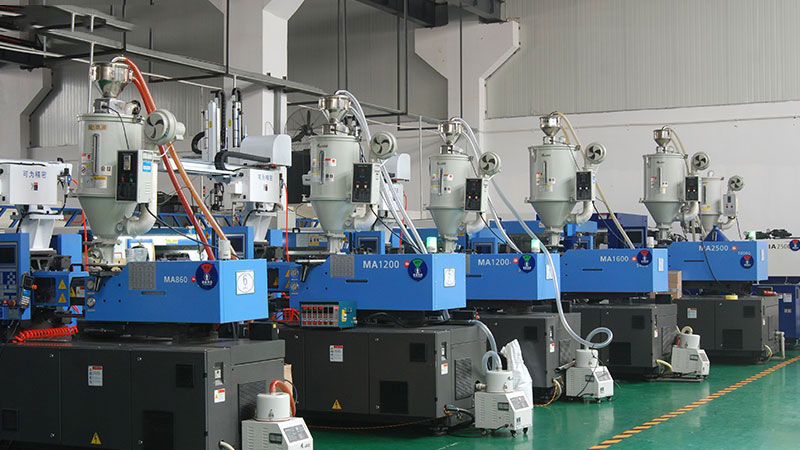
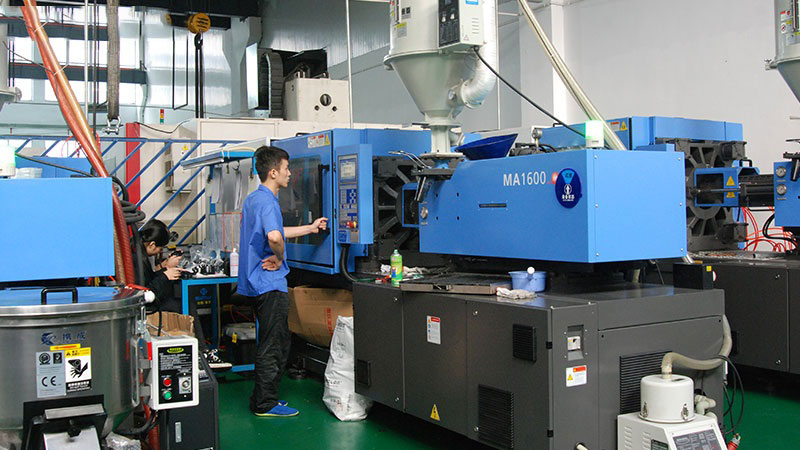
    The foundation of a successful import project is a thoroughly vetted supplier. Moving beyond basic Alibaba listings is crucial. Start with a multi-faceted verification approach. First, conduct a deep-dive business license check using Chinese platforms like the National Enterprise Credit Information Publicity System to confirm legal status, registered capital, and scope of business. Second, leverage video conferencing for a virtual factory tour; a reputable injection molding china factory will readily showcase its shop floor, molding machines (note brands and tonnage), quality control stations, and mold maintenance area. Third, request and meticulously review a portfolio of past projects, specifically for clients in your region or industry. Finally, insist on speaking directly with their project engineering team to assess technical communication skills. This due diligence phase filters out trading companies and unqualified workshops, ensuring you engage with a true manufacturer.

    Strategic RFQ and Technical Communication

    A precise Request for Quotation (RFQ) package is your most powerful tool for receiving accurate and comparable quotes. It must extend beyond simple part drawings. Include a comprehensive pack: 3D files (STEP or IGS), detailed 2D drawings with GD&T, material specifications (including brand and grade), expected annual volumes, and a target piece price. Crucially, provide a clear document outlining critical-to-quality dimensions, part function, and cosmetic requirements. When communicating with potential suppliers, use marked-up drawings and screenshots to eliminate ambiguity. Embrace collaborative tools for real-time discussion. Clarify what is included in the mold quote: number of cavities, mold base standard (LKM, HASCO, etc.), hot runner system brand, cooling design, and warranty period. A professional China mold factory will respond with engineering feedback, suggesting design for manufacturability improvements that can reduce cost and enhance part quality.

    Implementing Proactive Quality Control Protocols

    Quality cannot be inspected into a product; it must be built into the process. Your agreement must define explicit quality control milestones. For the injection mold itself, mandate a First Article Inspection report and a comprehensive mold trial report with video evidence. The video should show the molding process, part ejection, and a dimensional check of samples. For production runs, define your AQL sampling levels for incoming inspection. For high-volume or critical parts, investing in a third-party quality inspection firm for during-production checks is highly advisable. These inspectors can verify raw material certificates, monitor production processes, and perform on-site dimensional and functional tests before shipment. This layered QC approach shifts your role from reactive problem-solver to proactive manager, ensuring the output from your chosen injection molding china factory meets your specifications consistently.

    Navigating Logistics, IP Protection, and Payment Terms

    The final hurdles before shipment involve protecting your interests and managing logistics. Intellectual property protection is a valid concern. While a strong contract with clear IP ownership clauses is essential, practical steps are more effective. Consider filing for a utility model patent in China for your part design. During the procurement phase, share detailed drawings only after signing an NDA and only with your short-listed suppliers. For payment terms, the standard 50% deposit and 50% before shipment carries risk. Negotiate for a more balanced structure, such as 30% deposit, 40% after mold trial approval, and 30% before shipment. For logistics, decide on Incoterms early. FOB is common, giving you control over shipping lines and costs. Ensure your supplier is responsible for delivering the goods to the port, professionally packed and with all customs documentation accurately prepared. A reliable partner will guide you through this process seamlessly.

    Building a Partnership for Long-Term Success

    View your supplier not as a transactional vendor but as a strategic extension of your manufacturing capability. After the initial order, invest in the relationship. Provide clear feedback, share your market forecasts, and discuss potential future projects. A trustworthy China mold factory will value this partnership, offering better pricing, prioritizing your orders, and providing more proactive support. Schedule regular business reviews to discuss performance, improvements, and technical innovations. This collaborative, long-term perspective is the ultimate competitive advantage, transforming your sourcing from a cost-centric activity into a value-driven strategic pillar.

    Conclusion

    Importing injection molds from China in 2026 demands a professional, systematic approach centered on verification, clear communication, and controlled processes. By meticulously qualifying suppliers, mastering technical dialogue, implementing rigorous quality control, and structuring secure agreements, you mitigate the inherent risks. The goal is to move beyond finding the lowest quote to establishing a partnership with a competent and reliable injection molding China factory. This disciplined methodology not only safeguards your current project but also builds a robust supply chain foundation for future growth and innovation, ensuring your investment delivers sustainable value for years to come.

    Work With Us

    As a professional China mold manufacturer, we provide one-stop mold solution for overseas buyers.
    📞 Phone: +86-18605944639
    💬 WhatsApp: +8618605944639
    🌐 Website: bestmoldworks.com
    📧 Email: [email protected]
  • China plastic mold Manufacturerturer: Expert Tips & Sol 2026

    For overseas businesses, importing plastic injection molds from China remains a strategic move to achieve significant cost savings and access advanced manufacturing capabilities. However, navigating this complex landscape can be daunting. The difference between a successful project that delivers value for years and a costly, time-consuming failure often lies in the procurement process. This guide provides expert, actionable tips and solutions for 2026, designed to help you partner with a reliable China plastic mold manufacturer and transform your import journey from a risk into a competitive advantage.

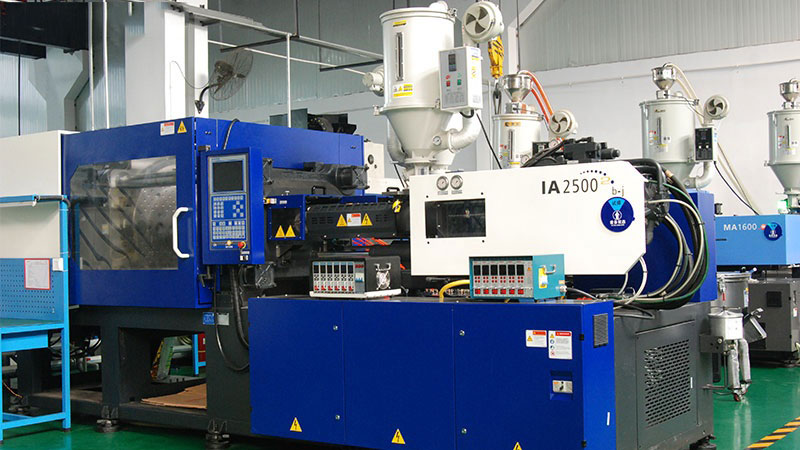
    The foundation of any successful import project is thorough supplier verification. In 2026, moving beyond Alibaba listings and basic websites is non-negotiable. Start by verifying the business license and export credentials. Request a virtual factory tour via video call; a reputable China mold factory will readily showcase their shop floor, machinery (look for modern CNC, EDM, and injection molding machines), and ongoing projects. Deep-dive into their portfolio, specifically requesting case studies or examples of molds similar to yours in complexity, material, and industry. Crucially, ask for and contact past overseas clients. Direct references provide unfiltered insights into communication, problem-solving, and after-sales support. This due diligence phase filters out trading companies masquerading as manufacturers and identifies partners with proven export experience.

    Once a potential partner is identified, mastering the technical and commercial quotation process is your next critical step. A professional China plastic mold manufacturer will not provide a price based solely on a sketch. They require a complete set of part drawings (2D and ideally 3D STEP/IGS files), material specifications, expected annual volumes, and cosmetic requirements. Analyze their quotation meticulously: it should break down costs for mold design, mold base, cavity/core steel, special features (like sliders or lifters), surface treatments, and prototyping. Beware of suspiciously low bids—they often signal the use of inferior materials, outdated machining, or hidden costs. In your discussions, clarify payment terms (a common and secure structure is 50% deposit, 40% before shipment, 10% after approval), delivery timeline including buffer for revisions, and ownership of the mold design. Detailed, transparent communication at this stage sets clear expectations for both parties.

    Proactive and structured quality control (QC) is the single most effective tool to prevent defects and delays. Do not assume quality will be managed for you. Implement a multi-stage inspection protocol. First, insist on a Design for Manufacturability (DFM) report before steel is cut. This document from the supplier highlights potential manufacturing issues and allows for cost-effective design adjustments. Next, define and agree upon Critical-to-Quality (CTQ) dimensions and cosmetic standards in writing with signed approval. Schedule at least two key inspections: a T1 sample inspection (first shots from the finished mold) and a Final Random Inspection (FRI) before shipment. For high-value orders, hiring a local third-party QC inspector for these stages is a wise investment. They can provide objective reports, including CMM data for critical dimensions, and photos/videos of the mold and sample parts. This hands-on QC approach shifts your role from passive recipient to active project manager.

    The final phase—logistics, communication, and long-term partnership—solidifies the success of your procurement. Understand Incoterms clearly; FOB is common, but you must arrange and pay for shipping and insurance. For delicate, high-value molds, ensure proper packaging—typically wooden crates with foam immobilization—and require photos of the packed mold before loading. Cultivate clear communication: designate a single point of contact on both sides, use marked-up drawings and videos to clarify issues, and maintain regular update schedules. A professional partner will provide progress reports with photos. View this not as a one-off transaction but as a long-term relationship. A well-maintained mold can last for millions of cycles. Discuss maintenance, spare parts (like replacement heaters or cylinders), and the possibility for future mold modifications. A reliable China plastic mold manufacturer becomes an extension of your production team, vital for product iterations and scaling.

    In conclusion, importing injection molds from China in 2026 demands a blend of diligent verification, technical clarity, rigorous quality control, and strategic relationship management. The landscape is mature, and the best suppliers expect and respect informed buyers. By implementing these expert tips—from in-depth supplier verification and detailed procurement agreements to staged inspections and clear logistics planning—you significantly de-risk the process. The goal is to move beyond finding just a vendor to securing a capable manufacturing partner. A trustworthy China plastic mold manufacturer delivers more than a tool; they deliver reliability, quality, and the foundation for your product’s success in the global market. Start your next project with this structured approach, and transform the inherent advantages of Chinese manufacturing into tangible, long-term value for your business.

    Work With Us

    As a professional China mold manufacturer, we provide one-stop mold solution for overseas buyers.
    📞 Phone: +86-18605944639
    💬 WhatsApp: +8618605944639
    🌐 Website: bestmoldworks.com
    📧 Email: [email protected]
  • china mold manufacturer: Expert Tips & Solutions 2026

    For overseas buyers, importing molds from China remains a strategic move to achieve significant cost savings and access specialized manufacturing capabilities. However, the landscape is evolving. The year 2026 demands a more sophisticated approach than simply searching Alibaba for the lowest quote. Success hinges on navigating a complex ecosystem of suppliers with varying levels of expertise, technology, and transparency. This guide provides actionable, forward-looking solutions to the real challenges you face, empowering you to partner with a reliable **china mold manufacturer** and secure a competitive advantage.

    Mastering Supplier Verification Beyond the Website

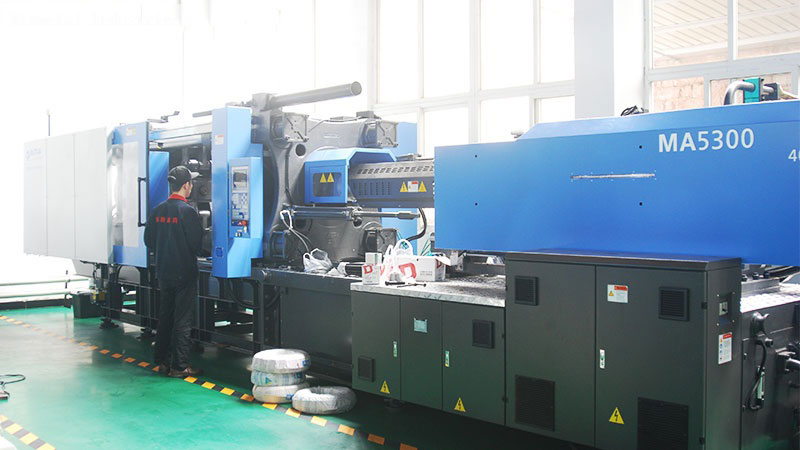
    The initial search will yield countless options, making verification the most critical first step. In 2026, due diligence must be digital and physical. Start with a deep technical review. A credible China mold factory will showcase detailed case studies, not just product photos. Look for CAD designs, flow analysis simulations (Moldflow), and documentation of tolerances and steel grades used. Request videos of the mold in operation on their factory floor, showing part ejection and cycle times. Utilize professional background check services to verify business licenses, export history, and any litigation. Crucially, move the conversation to a video call platform. A live virtual tour of their facility, showing CNC machines, EDM equipment, and a clean assembly area, is far more valuable than a glossy brochure. This process separates marketing from manufacturing capability.

    Strategic Procurement: From RFQ to Contract Clarity

    Your Request for Quotation (RFQ) packet is your primary tool for ensuring accurate bids and preventing costly misunderstandings. In 2026, a professional RFQ must include, at minimum: complete and finalized 3D CAD files (STEP or IGES), 2D drawings with GD&T (Geometric Dimensioning and Tolerancing) callouts, material specifications for the final plastic or metal part, expected annual volumes, and target part cost. For the mold itself, specify the steel type (e.g., P20, H13, Stainless), mold life expectancy (number of shots), and required certifications. When evaluating quotes, be wary of prices that seem too good to be true—they often are. A detailed breakdown should include costs for design, materials, machining, testing, and logistics. Finally, ensure your contract explicitly covers IP protection, payment terms linked to milestones (e.g., 30% deposit, 40% after T1 sample approval, 30% before shipment), and protocols for handling design changes.

    Implementing Proactive Quality Control Gates

    Waiting to inspect the finished mold is a high-risk strategy. The modern approach is to integrate quality control throughout the build process. Define clear inspection points with your chosen **china mold manufacturer**. Key gates include: a pre-production meeting to review the mold design, a first article inspection (FAI) of critical mold components like cores and cavities using CMM reports, and the all-important T1 sample evaluation. For T1 samples, you should receive not only the physical parts but also a detailed mold trial report documenting machine settings, injection parameters, and any issues encountered. Consider engaging a local third-party quality inspection firm to conduct these checks on your behalf. Their engineers can perform dimensional checks, material verification, and assembly tests at the supplier’s facility, providing an objective assessment before the mold is shipped.

    Navigating Logistics and Post-Sales Support

    A perfect mold is of little value if it arrives damaged or you cannot maintain it. Discuss logistics with your supplier early. For high-precision injection mold tools, proper packaging in custom wooden crates with desiccant is non-negotiable. Clarify Incoterms 2026—FOB is common, but you must understand your responsibilities from the point of shipment. Ensure the supplier provides comprehensive documentation: a detailed mold manual with assembly/disassembly instructions, a list of spare parts (including recommended suppliers), and maintenance schedules. A reliable partner will offer post-sales support. Negotiate terms for technical assistance during your own production ramp-up and for the supply of spare components like heaters, sensors, or interchangeable inserts. This long-term perspective turns a transaction into a partnership.

    Conclusion: Building a Partnership for Competitive Advantage

    Importing molds from China in 2026 is less about finding a cheap vendor and more about building a strategic technical partnership. The journey from supplier verification to final delivery requires meticulous planning, clear communication, and an unwavering focus on quality control at every stage. By implementing these expert tips—conducting thorough digital and physical verification, crafting detailed RFQs, enforcing staged quality gates, and planning for logistics and long-term support—you transform procurement from a risky necessity into a core competency. The right China mold factory becomes an extension of your engineering team, driving innovation, reducing time-to-market, and securing your product’s quality for years to come. Start your next project with this disciplined framework, and you will not just import a mold; you will import confidence and competitive edge.

    Work With Us

    As a professional China mold manufacturer, we provide one-stop mold solution for overseas buyers.
    📞 Phone: +86-18605944639
    💬 WhatsApp: +8618605944639
    🌐 Website: bestmoldworks.com
    📧 Email: [email protected]
  • how to make custom plastic molds: Ultimate Guide for 2026

    For overseas businesses, mastering the process of how to make custom plastic molds in China remains one of the most strategic decisions for product development and manufacturing efficiency. As we move into 2026, the landscape is defined by advanced digital integration, heightened quality expectations, and a more transparent, yet complex, supplier network. This guide cuts through the noise to provide a professional, actionable roadmap for procurement specialists, engineers, and entrepreneurs looking to successfully import high-quality injection molds from China. We will focus on the critical, real-world steps—from initial concept to final quality assurance—that ensure your project is a commercial and technical success.

    The journey begins long before you request a quote. Comprehensive design and specification are the non-negotiable foundation. A well-defined Request for Quotation (RFQ) package is your primary tool for ensuring accuracy and competitive pricing. This must extend beyond simple 3D CAD models (typically in STEP or IGS format). Include detailed material specifications for the final plastic part, expected annual volumes, and a clear description of the mold’s life expectancy. Critically, provide a fully annotated 2D drawing with critical dimensions, tolerances, surface finish requirements (e.g., SPI standards), and part usage information. The more precise your documentation, the more accurate the quotes from your prospective China mold factory will be, minimizing costly misunderstandings and engineering changes later.

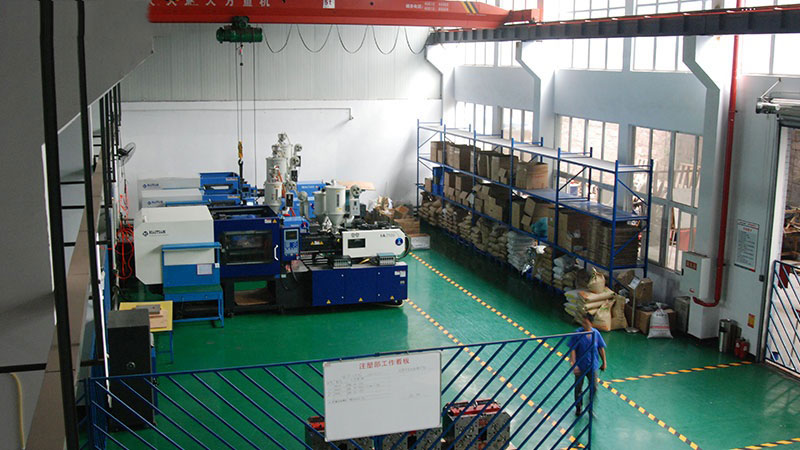
    With a solid RFQ in hand, the next phase is rigorous supplier verification. Not all mold factories are created equal; the market ranges from highly automated facilities serving global brands to smaller shops with variable capabilities. In 2026, verification goes beyond checking a website and a company profile. Initiate video calls to conduct virtual factory tours—request to see CNC machining centers, EDM equipment, and mold trial injection machines. Scrutinize their project portfolio for molds similar in size, complexity, and industry (e.g., medical, automotive, consumer electronics). Demand and contact references from their existing overseas clients. Verify their quality management certifications (like ISO 9001:2015) but understand that these are a baseline, not a guarantee. This due diligence is your first and most important filter for identifying a partner capable of executing your specific vision for how to make custom plastic molds.

    The procurement process is now deeply collaborative, centered on Design for Manufacturability (DFM) and transparent project management. A reputable supplier will provide a detailed DFM report within days of receiving your RFQ. This report is crucial; it highlights potential design issues that could affect mold cost, cycle time, or part quality. Engage actively in this feedback loop. Agree on a fixed, detailed project timeline with clear milestones: design approval, material procurement, machining, fitting, and first article inspection. Insist on a single point of contact—a project manager who communicates in English and provides weekly updates with photos or videos of progress. Modern procurement leverages platforms that offer shared dashboards for tracking, but direct, regular communication remains key. Clarify payment terms; a common and secure structure is 30-50% deposit, 40-60% before shipment, with 10% potentially held until successful sample approval.

    No guide on how to make custom plastic molds is complete without an uncompromising focus on quality control. Proactive, staged inspections are far more effective than a single pre-shipment check. Define and agree upon Critical Control Points (CCPs) during the mold manufacturing process. These typically include: a pre-machining review of mold flow analysis (if applicable), inspection of the finished mold cavity and core (using CMM reports), and most importantly, the initial sample testing (T1) at the factory. For the T1 trial, you or a trusted third-party inspection agency should be present, either physically or via live stream. The mold should be run to produce 50-200 parts under stable conditions. These first articles must be meticulously measured against your 2D drawings, and a detailed sample report with photos and dimensional data should be issued. Only approve mass production or shipment after the sample parts meet all specifications.

    The final step is navigating logistics and fostering a long-term partnership. Ensure your Incoterms (typically FOB or EXW) are clearly understood. For high-value precision molds, professional packing in custom wooden crates with desiccant is essential. Discuss and insure the shipment. Upon arrival, have your local team or molding partner conduct an incoming inspection. A successful project lays the groundwork for a valuable, ongoing relationship. Provide constructive feedback to your China mold factory and discuss maintenance, spare parts, and future projects. The most successful importers view their mold supplier not as a one-time vendor but as a technical extension of their own engineering team, capable of supporting product iterations and new developments for years to come.

    Successfully importing a custom plastic injection mold from China in 2026 is a structured process of meticulous preparation, intelligent partner selection, and relentless quality focus. By mastering the steps outlined—from creating impeccable specifications and conducting deep supplier verification to enforcing staged quality control—you transform a complex international procurement challenge into a competitive advantage. The goal is to secure not just a tool, but a precision asset that produces perfect parts at optimal cost for years. With this professional approach, overseas buyers can confidently navigate the market, build productive partnerships with Chinese mold factories, and ensure their products are built on a foundation of excellence.

    Work With Us

    As a professional China mold manufacturer, we provide one-stop mold solution for overseas buyers.
    📞 Phone: +86-18605944639
    💬 WhatsApp: +8618605944639
    🌐 Website: bestmoldworks.com
    📧 Email: [email protected]
  • Mold customization kit: Professional Buying Guide 2026

    Importing high-quality, cost-effective molds from China remains a strategic advantage for manufacturers worldwide. However, navigating the landscape of China mold factories to procure a perfectly customized injection mold presents distinct challenges, from supplier verification to consistent quality control. This professional buying guide for 2026 cuts through the complexity. We move beyond basic advice to provide a structured, actionable framework—think of it as your essential **mold customization kit** for mind and process—to ensure your next procurement project is a resounding success.

    The cornerstone of any successful import project is rigorous supplier verification. In 2026, this goes far beyond checking a factory’s website or Alibaba storefront. Your first actionable step is to conduct a multi-layered due diligence process. Start with a deep dive into the supplier’s technical capabilities: request detailed case studies of past projects similar to your intended injection mold in complexity, material, and industry. Insist on video tours of the production floor, focusing on the maintenance level of CNC, EDM, and CMM machines. Crucially, verify business licenses and, for higher-risk industries, audit reports. Third-party verification platforms can be useful, but direct video calls with the engineering and project management team are irreplaceable. This phase is about building a fact-based profile, separating marketing claims from demonstrable manufacturing competence.

    With a shortlist of vetted potential partners, the next critical phase is mastering the technical and commercial dialogue. Your **mold customization kit** is incomplete without a precise Request for Quotation (RFQ). This document must be exhaustive: include fully detailed 3D part designs (STEP or IGES files), material specifications, expected annual volumes, cycle time targets, and cosmetic requirements (e.g., SPI finish standards). Clearly state all expectations for deliverables: number of cavity impressions, hot runner system preferences, spare parts list, and mold base standards (e.g., HASCO, DME). This clarity prevents misunderstandings and allows for accurate, comparable quotations. During negotiations, focus on total cost of ownership, not just the initial mold price. Discuss payment terms (e.g., 50% deposit, 40% after T1 sample approval, 10% after shipment), warranty periods for workmanship, and protocols for handling design changes. A professional China mold factory will welcome this detail as it demonstrates your seriousness and facilitates a smoother project.

    The most pivotal stage of your procurement journey is the implementation of proactive, evidence-based quality control. Do not wait for the finished mold to inspect quality; it must be built into the process. Mandate a staged inspection protocol with digital evidence at each milestone. Key checkpoints include: a pre-production meeting to confirm all specifications, a First Article Inspection (FAI) of the mold steel and core/cavity blocks, a T0 trial run (initial mold assembly test), and the critical T1 sample trial with actual production material. For each stage, require high-resolution photos and videos, along with detailed inspection reports like CMM data for critical dimensions. For high-value projects, engaging a local third-party quality inspection firm for an on-site visit during the T1 trial is a highly recommended investment. This hands-on approach to quality control allows for issues to be identified and corrected early, preventing costly delays and rework after shipment.

    Successful importation extends beyond the factory gate. A comprehensive logistics and knowledge transfer strategy is your final safeguard. Ensure your Incoterms (e.g., FOB, EXW) are explicitly agreed upon, defining responsibility for costs and risks at every transit point. Discuss mold packaging requirements—robust, waterproof crating with proper internal support is non-negotiable for a precision tool like an injection mold. Equally important is securing all technical documentation: final 2D drawings, maintenance manuals, recommended settings for molding parameters, and a certified material report for the mold steel. This complete documentation package is a vital component of your long-term operational **mold customization kit**, enabling effective maintenance and troubleshooting at your facility. Finally, establish a clear post-sales support agreement covering response times for technical queries and the process for ordering spare components.

    Importing a custom mold from China in 2026 demands a disciplined, informed approach. By systematically applying this guide—from multi-faceted supplier verification and precise technical procurement to staged quality control and secured knowledge transfer—you transform a potentially risky venture into a predictable, value-driven process. The goal is to build a partnership with a China mold factory that is based on transparency and shared standards, not just a transactional purchase. Arm yourself with this professional framework, and you will not only secure a high-quality injection mold but also establish a reliable supply chain asset for years to come.

    Work With Us

    As a professional China mold manufacturer, we provide one-stop mold solution for overseas buyers.
    📞 Phone: +86-18605944639
    💬 WhatsApp: +8618605944639
    🌐 Website: bestmoldworks.com
    📧 Email: [email protected]

  • injection mould manufacturers in china: Expert Tips & 2026

    For global businesses, partnering with injection mould manufacturers in China remains a powerful strategy to achieve significant cost savings, access advanced manufacturing capabilities, and accelerate product development cycles. However, the path to a successful partnership is paved with both opportunity and complexity. Navigating a vast and diverse supplier landscape requires more than just a price comparison; it demands a strategic, informed approach to procurement. This guide provides actionable, expert-level tips for overseas buyers looking to secure high-quality injection molds from China in 2026 and beyond, focusing on solving real-world procurement challenges.

    The foundation of a successful import project lies in meticulous supplier verification. Moving beyond Alibaba listings is crucial. Begin by identifying a shortlist of potential China mold factory partners through industry-specific B2B platforms, trade associations like the China Mold Industry Association, and verified supplier directories. Scrutinize their digital footprint: a professional website with detailed case studies, technical specifications, and client testimonials (preferably from international companies) is a positive indicator. However, verification must go deeper. Insist on a virtual or, ideally, in-person factory audit. Assess their machinery portfolio—modern, well-maintained CNC, EDM, and injection molding machines are essential for precision. Evaluate their engineering team’s expertise and communication skills. Crucially, verify their experience with products similar to yours in material, complexity, and industry standards. This due diligence phase is non-negotiable for mitigating risk.

    Once a potential partner is identified, mastering the technical and commercial discussion is the next critical step. The cheapest quotation for an injection mold is often the most expensive in the long run. Professional Chinese manufacturers expect and respect detailed inquiries. Provide a comprehensive Request for Quotation (RFQ) package including 3D CAD files (STEP or IGS), 2D drawings with critical tolerances, material specifications, expected part volume, and surface finish requirements. Discuss mold steel grades (such as P20, H13, or S136) and their hardening processes explicitly. A transparent supplier will break down costs for mold base, cavity/core, cooling system, and any special features. Furthermore, clarify all commercial terms: Incoterms 2020 (FOB, EXW, CIF), payment schedule (e.g., 30-50% deposit, balance before shipment), tooling warranty period, and intellectual property protection clauses in a formal contract. This clarity prevents costly misunderstandings and establishes a professional framework.

    Implementing a robust, multi-stage quality control protocol is what separates successful imports from logistical nightmares. Do not assume quality; inspect and verify at every key milestone. For the injection mold itself, insist on a First Article Inspection (FAI) report and a Tool Trial Report with sample parts before the mold leaves the factory. Use dimensional inspection reports (CMM data) and material certificates to verify compliance. For ongoing production, define Acceptable Quality Levels (AQL) and establish a routine inspection schedule. Many overseas buyers employ third-party quality control services in China for impartial pre-shipment inspections. This independent verification provides an essential layer of oversight, checking part dimensions, appearance, and assembly against your approved samples. Investing in this proactive quality control process safeguards your brand reputation and avoids the far greater cost of defective products reaching your market.

    The logistics of mold procurement and subsequent part production require careful planning. For the initial tooling, discuss shipping methods carefully. Air freight is faster for prototypes, but sea freight is economical for large, heavy molds. Ensure the China mold factory properly prepares the mold for shipping—including preservation, rust prevention, and secure packing in a custom wooden crate. For ongoing production runs, establish clear forecasts and lead times with your manufacturer to ensure smooth supply chain flow. Consider the total cost of ownership: a slightly higher per-part price from a manufacturer with excellent logistics coordination and reliable communication can offer better value than a lower price coupled with delays and uncertainty. Building a partnership with a manufacturer who understands international logistics is a significant advantage.

    Looking ahead to 2026, the most forward-thinking injection mould manufacturers in China are integrating Industry 4.0 technologies and sustainable practices. When evaluating partners, inquire about their capabilities in mold flow analysis simulation, which optimizes design before steel is cut, saving time and cost. Manufacturers utilizing IoT-enabled machines for real-time production monitoring can offer greater transparency and consistency. Furthermore, environmental compliance is increasingly important. Discuss their approach to waste reduction, energy efficiency, and compliance with international standards. Partnering with a manufacturer that invests in technology and sustainability future-proofs your supply chain, ensuring you receive not just a mold, but a competitively produced component that aligns with modern market and regulatory expectations.

    In conclusion, importing injection molds from China is a highly viable strategy that demands a professional, process-driven approach. Success is built on a triad of rigorous supplier verification, crystal-clear technical communication, and uncompromising quality control. By treating your chosen China mold factory as a strategic partner rather than just a vendor, you unlock immense value. As you move forward with your procurement plans for 2026, let these expert tips guide you toward establishing a reliable, transparent, and high-quality supply chain that delivers precision tooling and components, driving your product’s success in the global marketplace.

    Work With Us

    As a professional China mold manufacturer, we provide one-stop mold solution for overseas buyers.
    📞 Phone: +86-18605944639
    💬 WhatsApp: +8618605944639
    🌐 Website: bestmoldworks.com
    📧 Email: [email protected]

  • customized plastic mould Manufacturerturer in China: P 2026

    For overseas buyers, sourcing a reliable customized plastic mould manufacturer in China remains one of the most impactful decisions for product development and manufacturing efficiency. As we look toward 2026, the landscape is more competitive and advanced than ever, offering immense value but also presenting familiar challenges in supplier verification, communication, and quality assurance. This guide cuts through the noise to provide a professional, actionable framework for your procurement journey, ensuring you partner with a China mold factory that aligns with your technical and commercial goals.

    Mastering Supplier Verification and Vetting

    The foundation of a successful import project is a thoroughly vetted supplier. In 2026, moving beyond Alibaba listings and basic websites is non-negotiable. Start with a deep due diligence process. Request detailed company profiles that include years in operation, core competencies in injection mold design, and clientele history. Insist on a virtual factory tour via video call; a reputable China mold factory will readily showcase their workshop, machinery like CNC centers and EDM machines, and quality control stations. Crucially, ask for and contact references from past overseas clients, specifically those with projects similar in complexity and volume to yours. This step moves you from a prospect to an informed buyer, separating marketing claims from operational reality.

    Navigating Technical Communication and Design for Manufacturability

    Clear technical communication is the single greatest barrier and opportunity. A professional customized plastic mould manufacturer in China will have dedicated project engineers with competent English skills, but your preparation is key. Always begin with a comprehensive and validated 3D product design file, such as STEP or IGES. Accompany this with a detailed specification document covering material type, expected annual volumes, cosmetic requirements, tolerance standards, and part function. Encourage and participate in a Design for Manufacturability review early in the process. A competent partner will suggest modifications to wall thickness, draft angles, or gate locations that can significantly reduce mold complexity, improve part quality, and lower overall cost. This collaborative approach transforms the relationship from transactional to strategic.

    Implementing a Proactive Quality Control Protocol

    Quality control cannot be an afterthought or a single pre-shipment inspection. For overseas buyers, a staged QC protocol integrated into the contract is essential. Define and agree upon Critical Control Points throughout the mold manufacturing process. These typically include a First Article Inspection after mold trial, where you receive samples, dimensional reports, and photos for approval before mass production begins. For the injection mold itself, specify mold qualification tests such as a sample run of a set number of shots to verify consistency. If possible, engage a local third-party quality inspection firm to conduct audits during key stages. This layered approach mitigates risk, provides objective data, and ensures the final product meets your specifications, protecting your investment and brand reputation.

    Structuring Contracts and Managing Logistics for Success

    A clear contract is your ultimate risk management tool. Beyond unit price and payment terms, it must explicitly outline the scope of work, intellectual property ownership, approval milestones, quality acceptance criteria, and protocols for handling delays or defects. For payment, a structured schedule is standard, such as 30-50% deposit, 40-60% after sample approval, and the balance before shipment. Regarding logistics, understand Incoterms 2020 thoroughly. For molds, FOB is common, giving you control over shipping and insurance. Partner with a freight forwarder experienced in handling heavy machinery and mold shipments to ensure proper crating, documentation, and customs clearance in your country. Proactive planning in these administrative areas prevents costly disputes and delays.

    Building a Long-Term Partnership for Future Projects

    Viewing your chosen supplier as a long-term manufacturing partner yields significant strategic advantages. A successful initial project for a customized plastic injection mold establishes a foundation of trust and mutual understanding. This relationship streamlines future projects, as the supplier becomes intimately familiar with your quality standards and communication style. It can lead to preferential pricing, priority scheduling, and more collaborative R&D for new products. In the context of 2026 and beyond, a strong partnership with a capable China mold factory is an asset, providing you with agility, cost competitiveness, and a reliable extension of your production capabilities.

    Conclusion

    Importing molds from China in 2026 demands a blend of diligent vetting, precise communication, and structured process management. By focusing on actionable supplier verification, embracing collaborative design reviews, enforcing staged quality control, and securing clear contractual terms, overseas buyers can confidently navigate the procurement landscape. The goal is to transition from a one-time purchaser to a valued partner of a professional customized plastic mould manufacturer in China. This approach not only secures a high-quality injection mold for your immediate needs but also builds a resilient supply chain foundation for years to come.

    Work With Us

    As a professional China mold manufacturer, we provide one-stop mold solution for overseas buyers.
    📞 Phone: +86-18605944639
    💬 WhatsApp: +8618605944639
    🌐 Website: bestmoldworks.com
    📧 Email: [email protected]

  • Mold for silicon parts: Expert Tips & Solutions 2026

    For overseas buyers and product developers, sourcing a high-quality mold for silicon parts represents a critical step in bringing innovative products to market. From medical components and consumer electronics to culinary tools and industrial seals, silicone’s versatility is unmatched. However, the journey to procure a reliable, cost-effective, and precision-engineered mold from China is fraught with potential challenges. Navigating this process successfully requires more than just finding a low quote; it demands strategic planning, technical understanding, and rigorous process control. This guide provides expert tips and forward-looking solutions for 2026, designed to help you secure a superior mold for silicon parts and build a profitable, long-term partnership with a Chinese mold factory.

    Mastering the Technical Dialogue and Specification Phase

    The foundation of a successful project is laid before any metal is cut. Miscommunication at the specification stage is the primary cause of delays, cost overruns, and unsatisfactory molds. Begin by providing exceptionally detailed 3D CAD files (STEP or IGS formats are preferred) alongside comprehensive 2D drawings with geometric dimensioning and tolerancing (GD&T). Crucially, for silicone, you must specify the exact material grade (e.g., food-grade, medical-grade LSR, high-temperature vulcanized HTV) and its Shore hardness. This directly impacts the mold design, including gate type (cold runner vs. hot runner for LSR), venting design to avoid air traps, and shrinkage rates. Clearly state your expected production volume, as this determines the mold base steel quality (e.g., pre-hardened 718, stainless steel for medical use, or hardened NAK80) and the longevity of the tool. Initiating the project with this level of detail filters out suppliers who lack the technical expertise for silicone-specific injection mold projects and aligns expectations with your chosen partner.

    Implementing a Rigorous Supplier Verification and Vetting Process

    The adage “trust but verify” is paramount when selecting your China mold factory. Moving beyond Alibaba listings, employ a multi-tiered verification strategy. First, conduct a deep-dive into their portfolio, specifically requesting case studies and videos of silicone or Liquid Silicone Rubber (LSR) parts they have produced. Second, insist on a video conference factory tour. A reputable supplier will readily showcase their facility, allowing you to assess their machinery (e.g., precision CNC, EDM, and dedicated LSR injection molding machines), workshop organization, and quality control stations. Third, verify business licenses and, for regulated industries, relevant certifications like ISO 9001:2015 or ISO 13485 for medical devices. Fourth, seek out and contact their existing overseas clients for references. This comprehensive procurement due diligence is your most effective shield against underqualified workshops and ensures your investment is placed with a capable manufacturer.

    Structuring Contracts and Payments to Mitigate Risk

    A clear, detailed contract is your legal and operational safeguard. Avoid vague agreements; instead, specify every deliverable: final mold design approval process, steel material certificates, mold flow analysis reports, a step-by-step payment schedule linked to milestones, and the protocol for design changes. A prudent payment structure for 2026 typically follows a 30-40% deposit, 30-40% upon initial sample approval (T1 samples), and the balance before shipment. Never agree to pay 100% upfront. The contract must explicitly define the sampling phase, including the number of sample iterations covered, the method of sample shipment, and the criteria for final approval. This approach ties financial obligations to tangible progress and performance, giving you leverage and ensuring the supplier remains committed to meeting your quality standards throughout the build.

    Executing Proactive Quality Control and Sampling Protocols

    Passive waiting for samples is a recipe for disappointment. Proactive, staged quality control is the solution. Require and review in-process photos and videos at critical stages: after machining the mold core and cavity, during assembly, and during the first trial shot. Upon receiving T1 samples, conduct a thorough dimensional inspection using your provided drawings. Pay equal attention to cosmetic aspects—check for parting lines, witness marks, and surface finish. Functional testing is non-negotiable; subject samples to real-world conditions (stress, temperature, chemical exposure) as applicable. Provide clear, consolidated feedback after each sample round. For high-volume or critical applications, consider engaging a local third-party quality inspection agency in the mold factory’s region for a pre-shipment audit. This hands-on oversight throughout the production cycle prevents minor issues from becoming major, costly corrections later.

    Planning for Long-Term Partnership and Lifecycle Management

    Viewing your mold procurement as a one-off transaction is a short-sighted strategy. The true value of a reliable Chinese mold manufacturer unfolds over years of production. Discuss post-sale support upfront. Will they store your mold? What are their terms for mold maintenance, repair, and modification? A professional supplier will provide mold design files and a comprehensive maintenance manual upon final payment. Establish clear communication channels for future production runs. Building this collaborative, long-term relationship ensures you have a responsive partner for spare parts, design iterations, and scaling production. This forward-thinking approach transforms your mold from a purchased item into a managed asset that delivers continuous return on investment.

    Conclusion

    Importing a precision mold for silicon parts from China in 2026 offers a compelling competitive advantage, but it demands a disciplined, informed approach. By mastering technical specifications, conducting exhaustive supplier verification, structuring smart contracts, enforcing proactive quality control, and planning for the mold’s entire lifecycle, you transform procurement risk into strategic reward. The goal is to move beyond being just a buyer to becoming a valued partner to a skilled China mold factory. By implementing these expert solutions, you secure not only a high-performance tool but also a foundation for innovation, quality, and market success for years to come.

    Work With Us

    As a professional China mold manufacturer, we provide one-stop mold solution for overseas buyers.
    📞 Phone: +86-18605944639
    💬 WhatsApp: +8618605944639
    🌐 Website: bestmoldworks.com
    📧 Email: [email protected]

  • cooler mould manufacturer in china: Professional Buying 2026

    For overseas buyers, sourcing a high-quality cooler mould manufacturer in China represents a significant opportunity to achieve cost efficiency and access world-class manufacturing capabilities. However, the path from initial inquiry to receiving a flawless injection mold is fraught with potential challenges, from supplier verification to consistent quality control. As we look toward 2026, professional procurement demands a more strategic, informed approach than ever before. This guide is designed to cut through the noise and provide you with actionable, real-world strategies to navigate the Chinese mold industry successfully, ensuring your investment in a cooler mould manufacturer in China yields reliable, high-performance tooling for your production lines.

    The cornerstone of any successful import project is rigorous supplier verification. In 2026, simply browsing Alibaba and comparing prices is a recipe for risk. A professional buyer must dig deeper. Start by verifying the China mold factory’s business license via official Chinese platforms and check for relevant certifications, such as ISO 9001 for quality management systems. However, true verification goes beyond paperwork. Request a detailed portfolio of past cooler or similar plastic product molds. Insist on a video conference for a virtual factory tour; observe the workshop organization, the machinery (look for brands like DMG Mori, Sodick, or Haitian injection molding machines), and the engineering team. A reputable manufacturer will be transparent. Furthermore, use platforms like Global Sources or Made-in-China.com which often have stricter supplier vetting, and always ask for and contact at least two references from previous overseas clients. This due diligence is your first and most critical filter.

    Once a potential partner is identified, mastering the technical and commercial discussion is paramount. A professional cooler mould manufacturer in China will not just accept your 3D file and quote a price. They will engage in Design for Manufacturability (DFM) analysis. Expect and encourage this. A competent engineering team will provide DFM feedback, suggesting potential modifications to wall thickness, rib design, or draft angles that enhance moldability, reduce cycle time, and improve part strength. This collaborative phase is where value is created. Simultaneously, be explicit in your Request for Quotation (RFQ). Specify the expected annual volume, the resin material (e.g., PP, ABS, with or without UV stabilizers), the required mold steel (such as pre-hardened 718 or corrosion-resistant S136), surface finish (texture, polish), and the lifetime expectancy of the tool. Clarity here prevents costly misunderstandings and ensures the quotation is comparable and comprehensive.

    The contract and payment terms are your legal and financial framework. Never proceed on a simple proforma invoice. A detailed contract should outline every specification, milestones, approval stages, and most importantly, the quality control protocol. For payment, the standard 50% deposit and 50% before shipment remains common, but for larger projects, consider a structured milestone payment plan (e.g., 30% deposit, 40% after T1 sample approval, 30% before shipment). This aligns incentives and reduces risk. Crucially, allocate a portion of the payment (typically 5-10%) for the Final Inspection Report. This means an independent third-party quality inspection agency, such as SGS or Bureau Veritas, conducts a pre-shipment inspection at the China mold factory. They will check the mold’s dimensions, material, hardness, and perform a trial run to produce sample parts for measurement against your CAD data. The release of the final payment is contingent on their passing report. This step is non-negotiable for professional procurement.

    Effective quality control is an ongoing process, not a single event. It begins with the First Article Inspection (FAI) of the T1 samples. Meticulously measure these samples, perform functional tests (like leak testing for coolers), and evaluate the finish. Provide clear, documented feedback. A professional supplier will expect this and have a process for implementing changes. Furthermore, discuss their internal QC processes: How do they inspect core and cavity dimensions? What is their procedure for mold tryouts? Also, plan for the long term. Inquire about their policy for mold maintenance and repair. Will they provide spare parts like hot runner tips or interchangeable cores? Understanding their after-sales support structure is essential for ensuring the longevity of your asset. This end-to-end perspective on quality transforms your procurement from a simple transaction into a sustainable partnership.

    Finally, view your chosen supplier as a strategic partner. The most successful import relationships in 2026 will be those built on clear communication and mutual respect. Invest time in building the relationship; consider an initial visit if the order volume justifies it. Use precise language in all communications, and consider employing a bilingual technical liaison if necessary. Be aware of cultural nuances—building trust is fundamental in Chinese business culture. A partner who feels valued and understands your long-term vision is more likely to go the extra mile during engineering challenges or tight deadlines. This partnership mindset ensures not just the success of your current project but also creates a reliable channel for future tooling needs, providing stability and consistency in your supply chain.

    In conclusion, professionally importing a cooler mold from China in 2026 is a deliberate and knowledge-driven process. It moves far beyond price shopping to emphasize deep supplier verification, technical collaboration, ironclad contracts with third-party quality checks, and a partnership-oriented approach. By focusing on these actionable pillars—vetting your China mold factory with due diligence, engaging deeply on DFM, structuring secure payments, enforcing rigorous quality control, and fostering strong communication—you transform procurement risk into a competitive advantage. The goal is to secure not just a tool, but a durable manufacturing solution that delivers reliable performance, batch after batch, ensuring the quality and success of your cooler products in the global marketplace.

    Work With Us

    As a professional China mold manufacturer, we provide one-stop mold solution for overseas buyers.
    📞 Phone: +86-18605944639
    💬 WhatsApp: +8618605944639
    🌐 Website: bestmoldworks.com
    📧 Email: [email protected]

  • custom injection molders: Complete Procurement Guide 2026

    For overseas businesses, partnering with custom injection molders in China remains a cornerstone strategy for achieving competitive advantage in product manufacturing. The potential for significant cost savings, rapid prototyping capabilities, and access to extensive manufacturing expertise is compelling. However, the path to a successful partnership is fraught with complexities, from supplier verification to consistent quality assurance. This guide is designed to cut through the noise, providing a clear, actionable framework for international procurement professionals to navigate the Chinese mold manufacturing landscape in 2026 and beyond.

    The journey begins with precise definition and documentation. Before engaging any China mold factory, you must have absolute clarity on your project requirements. This goes beyond basic part dimensions. Develop a comprehensive product specification document that includes material type (e.g., ABS, PP, PC), expected annual volumes, cosmetic requirements (texture, gloss level), critical tolerances, and any relevant industry certifications (ISO, FDA, UL). Creating a detailed 3D model and 2D drawings with clearly marked critical-to-function dimensions is non-negotiable. This document becomes your technical bible, ensuring all potential suppliers are quoting on the exact same scope, thereby eliminating a major source of misunderstanding and cost variation later in the project.

    With your specifications locked, the critical phase of supplier verification commences. The market is vast, ranging from highly automated, vertically integrated factories to smaller, specialized workshops. Utilize B2B platforms as a starting point for longlisting, but move swiftly to deeper due diligence. For custom injection molders, prioritize suppliers who demonstrate expertise in your specific industry, whether automotive, medical, consumer electronics, or packaging. Scrutinize their portfolio for similar projects. Insist on a virtual or, ideally, an in-person factory audit. Key audit points should include their mold design capability (Do they have a dedicated engineering team?), machining equipment (Are their CNC, EDM machines modern and well-maintained?), and their injection molding capacity for future production runs. Verify their quality control processes and ask for evidence of their management system certifications. This step is your primary risk mitigation strategy.

    A successful procurement strategy hinges on mastering the commercial and contractual framework. When you receive quotations, perform a detailed cost breakdown analysis. A suspiciously low bid is often a red flag, indicating potential compromises on steel quality, machining hours, or future service. Understand the payment terms; a common and balanced structure is 30-50% deposit, 40-60% before shipment, and 10% retained after sample approval. Your contract must be explicit. It should detail the technical specifications, project timeline with milestones (design review, T1 sample), the steel grade and brand for the mold, a warranty period for the tool (typically 1-2 years), and ownership of all design files. Clearly define the sample approval process and the responsibilities for any design changes. This contract protects both parties and sets clear expectations.

    The implementation of rigorous quality control throughout the mold manufacturing lifecycle separates successful imports from costly failures. Do not adopt a “set and forget” mentality. Establish checkpoints at critical stages: after mold design review, during steel machining (request photos or videos of key components), and most importantly, during the Trial Run (T1) sample stage. It is highly advisable to hire a third-party quality inspection company to conduct an on-site inspection during the first sample trial. They can verify part dimensions against your CAD data using CMMs, check part appearance, and assess the mold’s functionality and robustness. This upfront investment in inspection can save tens of thousands in mold rework, production delays, and defective products. Effective quality control is an active, participatory process.

    Finally, view the partnership with your chosen China mold factory as a strategic, long-term relationship. Clear, consistent, and professional communication is vital. Appoint a single point of contact on both sides to streamline information flow. Use video calls for design reviews to ensure complex details are understood. Be respectful of cultural differences in business communication but remain firm on your technical and quality standards. A reliable supplier is an asset; treat them fairly, pay invoices on time, and provide constructive feedback. This collaborative approach fosters loyalty, often resulting in priority service, better pricing on future projects, and a partner genuinely invested in your product’s success.

    In conclusion, importing an injection mold from China in 2026 demands a blend of meticulous preparation, strategic verification, and active partnership management. The landscape is mature, and the best Chinese manufacturers are world-class, but they expect professionalism and clarity from their overseas clients. By defining your requirements with precision, conducting thorough supplier verification, structuring solid contracts, enforcing staged quality control, and fostering clear communication, you transform the procurement process from a daunting challenge into a reliable engine for innovation and cost efficiency. The goal is not merely to purchase a tool, but to secure a manufacturing partnership that delivers quality, consistency, and value for years to come.

    Work With Us

    As a professional China mold manufacturer, we provide one-stop mold solution for overseas buyers.
    📞 Phone: +86-18605944639
    💬 WhatsApp: +8618605944639
    🌐 Website: bestmoldworks.com
    📧 Email: [email protected]